
(469) 436-6127

In the dynamic world of custom apparel, Direct-to-Film (DTF) transfers have revolutionized how designers and businesses bring their visions to life. Offering unparalleled vibrancy, durability, and versatility across a myriad of fabric types, DTF technology stands out. However, the true potential of these transfers is only realized through precise and knowledgeable application. This comprehensive guide, informed by over a decade of industry expertise, is designed to empower you to apply DTF transfers apparel with professional-grade precision, ensuring every garment you customize boasts exceptional quality and longevity.
Many encounter challenges ranging from poor adhesion and peeling to dull colors or cracking prints. These issues often stem from overlooked details in the application process. Our aim is to demystify this process, providing you with actionable insights and proven techniques to master DTF application, leveraging the superior quality of products from DTF Center.
Before diving into application specifics, a foundational understanding of DTF technology is crucial. DTF, or Direct-to-Film, is a printing method where designs are printed onto a special film, then transferred to fabric using heat and pressure. Unlike Direct-to-Garment (DTG), DTF doesn't require pre-treatment of the fabric, offering greater flexibility across various materials, including cotton, polyester, blends, and even non-traditional surfaces like wood or metal (with UV DTF). The result is a vibrant, soft-hand print that is incredibly durable and stretch-resistant.
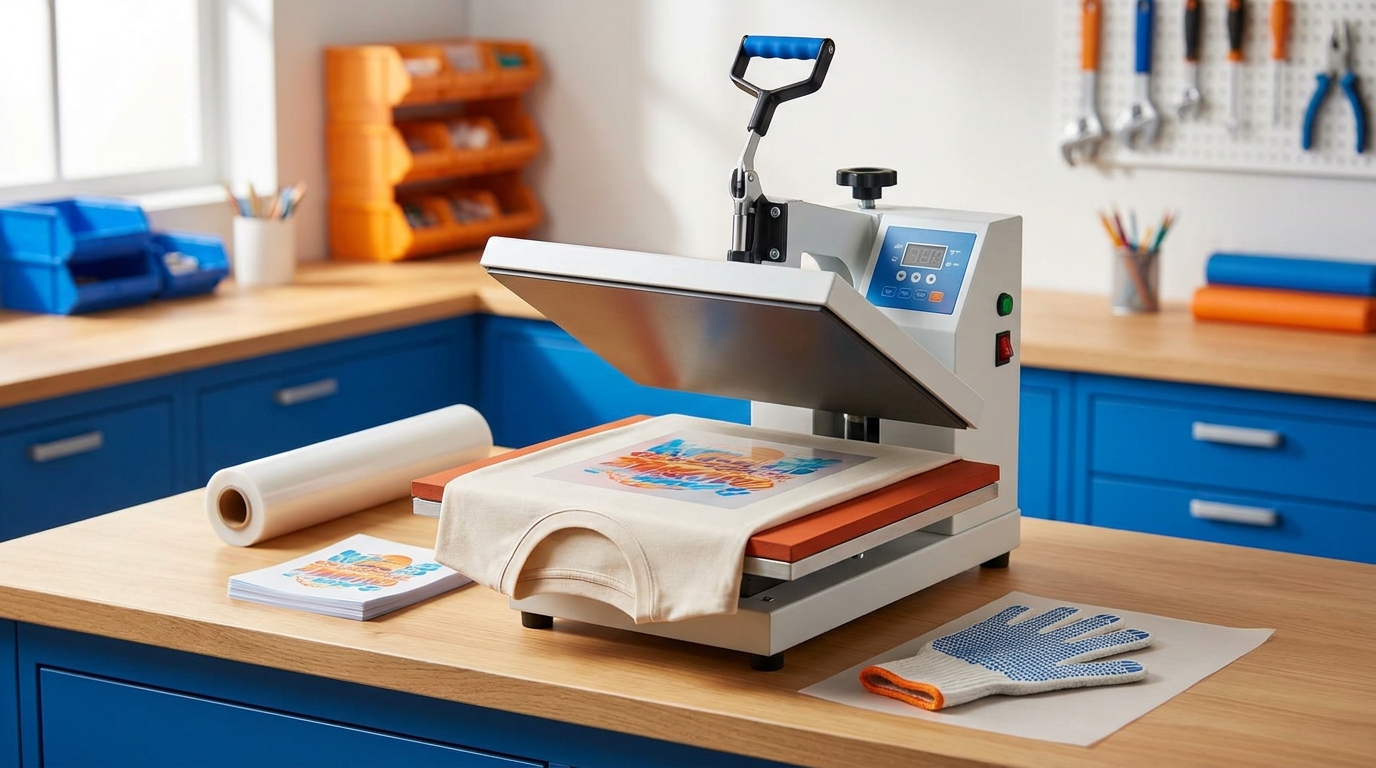
DTF transfers offer several compelling advantages that make them a preferred choice for apparel decorators:
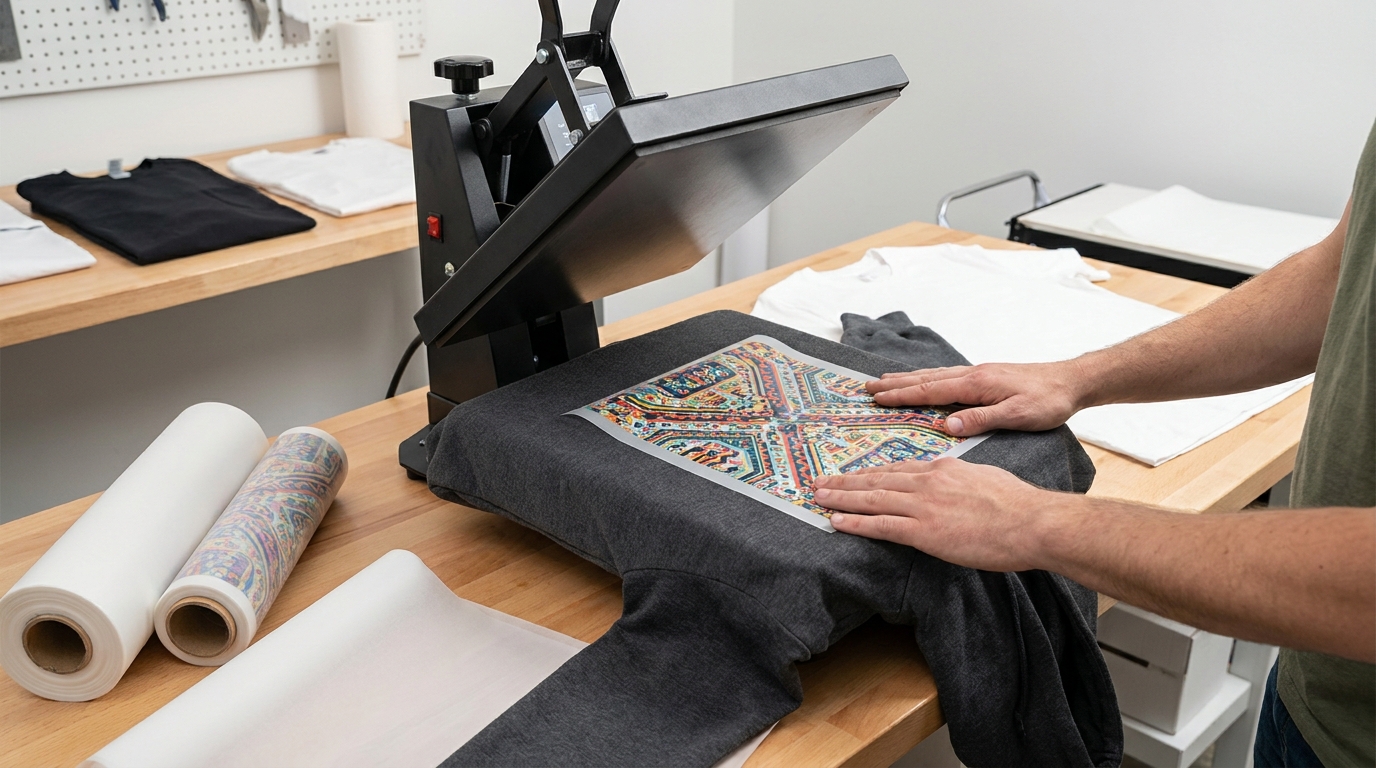
Achieving perfect DTF application starts with having the right tools. Investing in quality equipment is not merely a cost; it's an investment in the consistency and professionalism of your finished products.
A high-quality heat press is non-negotiable for DTF transfers. Unlike household irons, a professional heat press provides:
Look for a clam-shell or swing-away heat press with a platen size appropriate for your typical transfer dimensions. From my experience, a 16x20 inch platen is a versatile choice for most apparel applications.
Preparation is the silent guardian of quality. A well-prepared garment and workspace minimize errors and maximize adhesion.
Always pre-press your garment before applying the DTF transfer. This serves two vital purposes:
After pre-pressing, immediately use a high-quality lint roller to remove any stray fibers, dust, or debris. Even microscopic particles can create voids in the transfer, leading to peeling or imperfections.
A clean, organized workspace is paramount. Ensure your heat press is on a stable surface, away from drafts that could introduce dust. Have all your tools within easy reach, and ensure adequate lighting to accurately position your transfers. A cluttered or dirty environment is a recipe for errors and frustration.
This is where the rubber meets the road. Follow these steps meticulously to achieve professional and durable results when you apply DTF transfers apparel.
As discussed, place your garment on the heat press platen. Apply medium pressure at 282°F (139°C). This removes moisture and wrinkles, creating an ideal surface for the transfer. For delicate fabrics, adjust temperature accordingly.
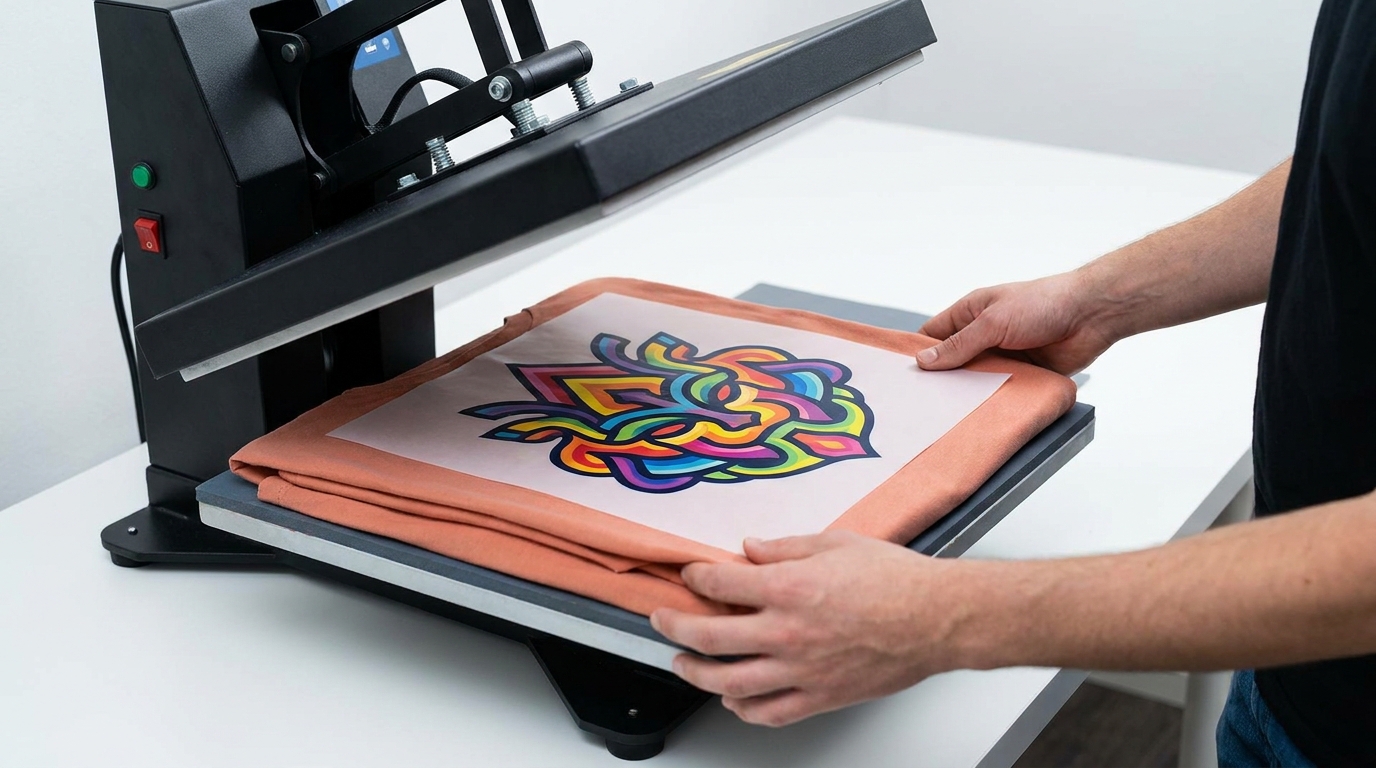
Carefully place your DTF transfer onto the pre-pressed garment. The adhesive side (the printed side) should be face down, in direct contact with the fabric. Take your time to ensure precise alignment. Use a ruler or T-square for accuracy, especially for multiple garments or specific branding guidelines. Heat-resistant tape can be used to secure it, though often not necessary for flat items.
This is the core of the process. Optimal settings can vary slightly based on your specific heat press, the DTF transfer film, and the fabric type. The settings for DTF transfers from DTF Center are:
Place a sheet of parchment paper or a thin PTFE sheet over the transfer to protect your heat press platen. Close the heat press and apply the specified time, temperature, and pressure. Once the timer alarms, open the press.
DTF transfers from DTF Center are hot peel. This means you peel off the film right after pressing, while the transfer is still hot. As soon as you open the press, carefully and smoothly peel back the film at a 45-degree angle. If you notice any part of the design lifting, stop, lay the film back down, re-press briefly, and try peeling again.
This final step is crucial for maximizing the durability and washability of your DTF transfer. After the hot peel, place a fresh sheet of parchment paper or a thin PTFE sheet directly over the exposed DTF print. Press again at the same temperature and medium pressure. This 'cures' the adhesive, pushing it deeper into the fabric fibers, enhancing its bond, improving wash fastness, and often softening the hand feel of the print. This step significantly contributes to the longevity of the transfer, ensuring it withstands numerous washes without cracking or fading.
Even with careful adherence to steps, issues can arise. Here's how to diagnose and rectify common problems when you apply DTF transfers apparel:
Beyond the application, proper care ensures your DTF-decorated apparel maintains its pristine condition for years.
Provide these instructions to your customers to ensure the longevity of their custom apparel:
The best application techniques can only go so far if the underlying transfer quality is poor. High-quality DTF transfers, like those produced by DTF Center, utilize premium films, inks, and adhesives that are engineered for maximum durability, color vibrancy, and ease of application. This ensures that even minor application variations are more forgiving, leading to consistently superior results.
A: For DTF transfers from DTF Center, use 282°F (139°C) with medium pressure: 10 seconds on cotton or 6 seconds on polyester. Always refer to the specific instructions provided with your transfers, as slight variations can occur based on the film and adhesive used. DTF Center provides optimal settings with every order.
A: While technically possible, it is strongly discouraged for professional results. Household irons lack the consistent heat, even pressure, and precise temperature control of a heat press. This often leads to uneven adhesion, peeling, and poor durability. For best results when you apply DTF transfers apparel, a professional heat press is essential.
A: When applied correctly and cared for according to best practices, high-quality DTF transfers can last for 50+ wash cycles, often outlasting the garment itself. Their durability is a significant advantage over other transfer methods, maintaining vibrancy and integrity without cracking or fading.
A: 'Hot peel' transfers are designed to be peeled immediately after pressing while still hot. 'Cold peel' transfers require the transfer to cool completely before the film is removed. DTF transfers from DTF Center are hot peel, so peel the film right after pressing.
At DTF Center, we understand that the quality of your finished product begins with the quality of your transfers. We specialize in providing custom DTF transfers and UV DTF stickers that meet the highest industry standards. Our commitment to excellence ensures vibrant colors, crisp details, and exceptional durability, designed to make your apparel stand out.
We leverage advanced printing technology and premium materials to produce transfers that are easy to apply and deliver consistent, professional results every time. With same-day shipping options and local pickup availability, DTF Center is your reliable partner for all your custom transfer needs, ensuring your projects stay on schedule and exceed expectations. Our extensive experience means we provide not just products, but solutions that empower your creativity and business success.
Mastering the application of DTF transfers to apparel is an art form, requiring precision, patience, and the right knowledge. By following this comprehensive guide, from proper equipment setup and garment preparation to the detailed step-by-step application and post-press curing, you are now equipped to achieve flawless, durable, and vibrant results with every garment. Remember that attention to detail, especially regarding temperature, time, and pressure, is paramount.
The journey to consistently produce high-quality custom apparel is an ongoing one, but with the insights provided here and the superior quality of DTF Center's transfers, you are well on your way to becoming an expert. Continue to experiment, learn, and refine your techniques, and you'll consistently apply DTF transfers apparel that truly impresses and endures.

Same-day DTF transfers, gang sheets and UV DTF stickers printed in Dallas, Texas and shipped nationwide. No minimums, no setup fees, over 80,000 inches printed daily.
