
(469) 436-6127

The landscape of apparel decoration is undergoing a significant transformation in 2026, with both Direct-to-Film (DTF) and traditional screen printing methods adapting to new market demands, technological advancements, and shifting consumer preferences. Recent industry events, notably the Impressions Expo series, have provided a clear snapshot of where these critical printing technologies stand. From the unveiling of innovative digital production systems by industry leaders like Kornit Digital to the continued evolution of automation in screen printing, businesses must stay informed to remain competitive. This news roundup provides an authoritative overview of the key developments shaping the DTF and screen printing sectors in early 2026, offering crucial insights for apparel decorators and custom print businesses.
The Impressions Expo events in Long Beach (January 22-24, 2026) and Atlantic City (March 2026) served as pivotal gatherings for the apparel decoration community, showcasing the latest in equipment, materials, and trends. A central theme emerging from both expos was the simultaneous advancement of DTF technology and the enduring, adaptable nature of screen printing.
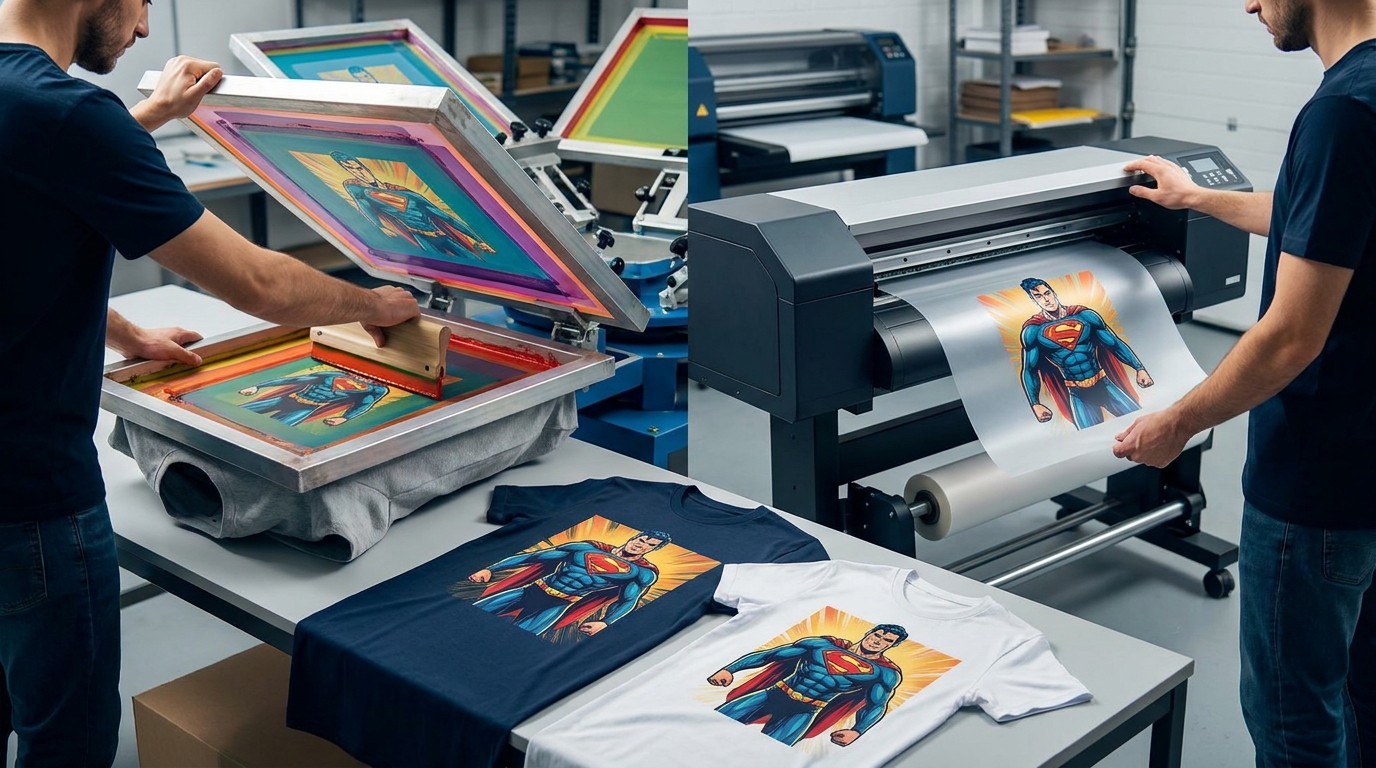
At Impressions Expo Long Beach 2026, attendees witnessed live demonstrations of cutting-edge production equipment, with a particular focus on speed, reliability, and smaller footprints for screen printing presses aimed at high-volume shops. Direct-to-Film (DTF) technology continued its evolution, with 'powderless workflows' and expanded color setups taking center stage, indicating a move towards more streamlined and efficient DTF processes. Epson, for instance, debuted new textile solutions, including the SureColor G6070, its first dedicated DTFilm printer, alongside hybrid DTG and DTFilm printers like the SureColor F1070 and F2270, designed to boost production and expand output capabilities.
The Atlantic City Impressions Expo in March 2026 also reported increased exhibitor numbers and a 10% rise in educational conference attendees, signaling a vibrant industry eager for new solutions. Custom transfer specialists like Ninja Transfers sponsored key events, reflecting the growing prominence of DTF transfers in the market. A significant takeaway from the expos was that the buzz around digital printing and DTF did not overshadow screen printing but rather opened doors for new growth and hybrid business models. Many printers who started with transfers are now looking to integrate screen printing, recognizing that DTF and screen printing can work synergistically in a modern shop to meet diverse creative and business needs.
In a major industry announcement on April 14, 2026, Kornit Digital Ltd. unveiled its Atlas MATRIX at Konnections 2026 in Hollywood, Florida. This new unified digital production system is poised to redefine apparel manufacturing for the on-demand era.
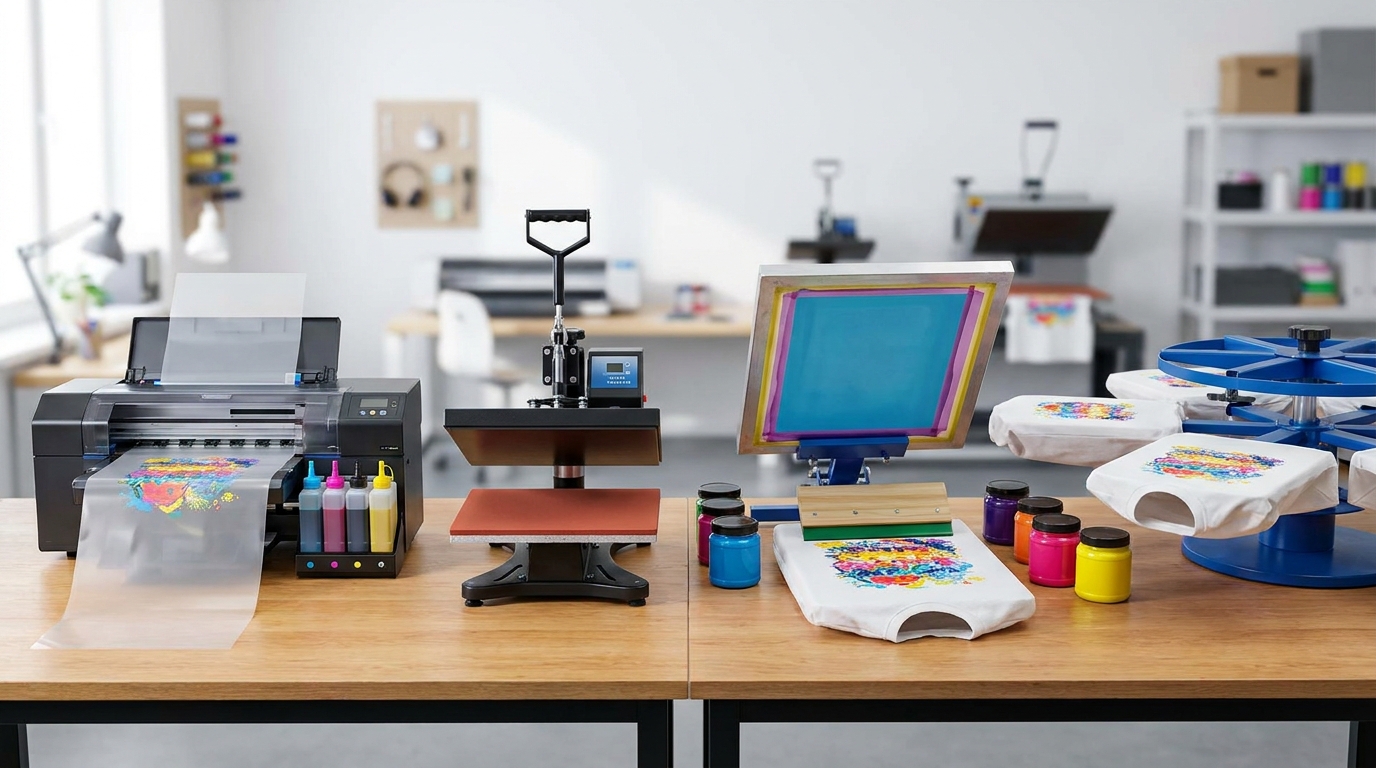
The Atlas MATRIX is engineered to offer complete flexibility across various fabrics, including cotton, polyester, and blends, without compromising quality, durability, or efficiency. A core innovation is Kornit's proprietary Karbon Shield technology, a breakthrough protection layer designed to prevent dye migration, even on challenging deep-dyed and sublimated polyester fabrics. This technology promises consistent, vibrant, and durable results in a true single-step process, eliminating complex setups and manual intervention while maintaining a soft hand feel.
The system supports both direct printing with Karbon Shield and transfer on film using Karbon Transfer, ensuring consistency between decoration methods and expanding possibilities for placement and design flexibility. Available for customer delivery starting early May 2026, the Atlas MATRIX also introduces expanded creative capabilities with neon configurations for sports and performance applications, and red and green configurations tailored for fashion and brand applications. This launch underscores the industry's drive towards highly automated, versatile, and sustainable digital solutions for mass customization and rapid fulfillment.
Direct-to-Film (DTF) printing continues its rapid ascent in the custom apparel industry, with market projections indicating substantial growth. The global DTF printing market was valued at approximately $782 million in 2023 and is projected to exceed $2.1 billion by 2030, demonstrating a robust compound annual growth rate of 14.5%. This surge is largely attributed to DTF's practical advantages, which older methods often cannot replicate, such as versatility across a wide range of fabrics (cotton, polyester, blends, nylon, denim, spandex, silk) and the ability to produce no-minimum orders profitably.
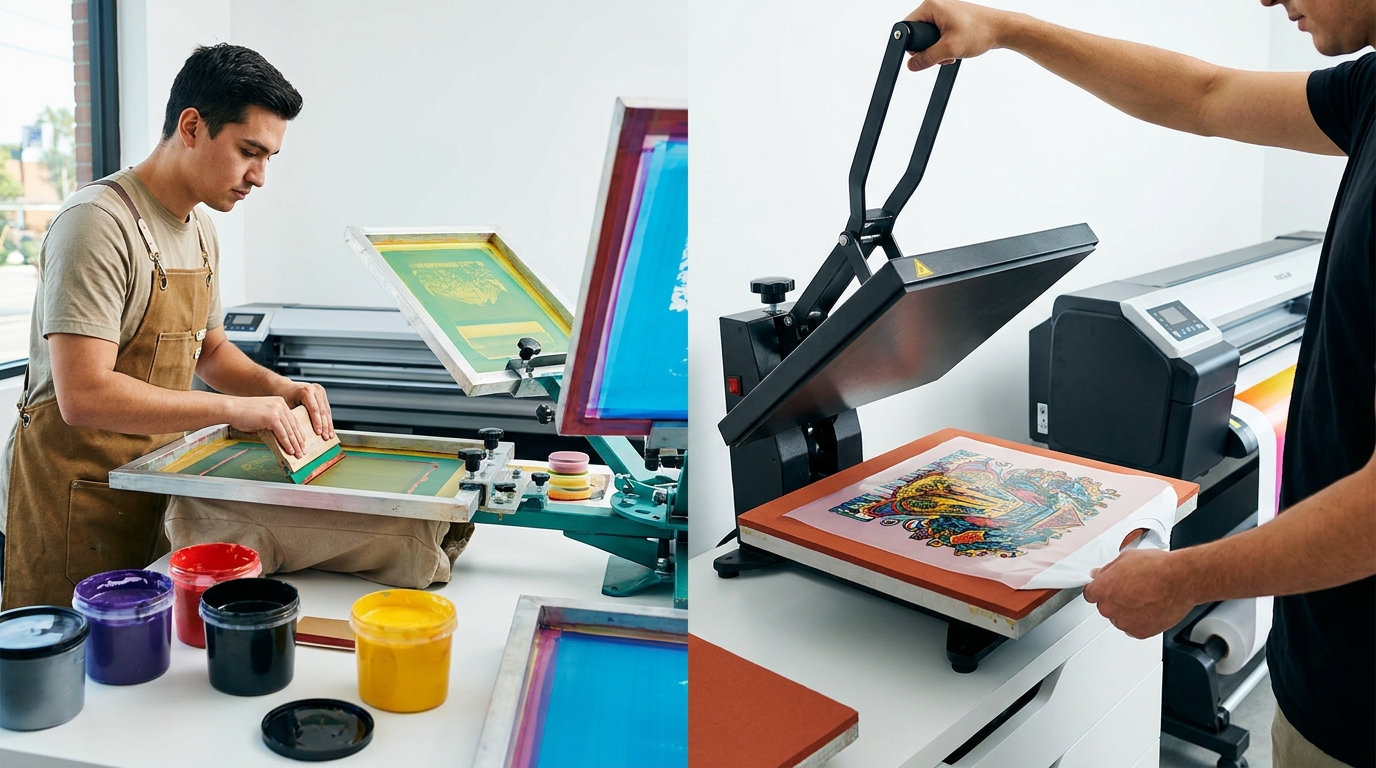
Innovations in DTF chemistry and automation are key drivers of this growth. Early 2026 has seen advancements in ink and powder formulations, leading to smoother, stronger, and more vibrant DTF transfers. Finer powder consistency for crisp edges, faster-bonding coatings, and ink sets that cure cleaner and stretch further are becoming standard. DTF Station's Color Prime Chroma ink, for instance, is gaining attention for its expanded color gamut and punchier saturation. Automation, previously confined to commercial-level operations, is now permeating smaller shops and home setups with the introduction of all-in-one DTF printer configurations that handle powdering, shaking, curing, and drying within a compact footprint.
The shift towards online ordering and the demand for fast turnaround times have also accelerated DTF's adoption. Businesses offering same-day DTF printing are gaining a competitive edge, as the DTF production process can commence as soon as a design file is ready, unlike screen printing which requires extensive setup. The market for high-quality DTF film in the U.S. has reached an all-time high, with double-sided coated films gaining traction to prevent 'film slip' during long production runs. While competition is heavier and more price-driven, DTF remains highly profitable for businesses that prioritize consistent order flow, controlled waste, and smart market positioning.
Despite the rise of digital technologies like DTF, screen printing remains a dominant force in the apparel decoration industry, demonstrating significant resilience and adaptation in early 2026. Market forecasts for industrial screen printing anticipate steady expansion through 2033, with North America showing strong potential driven by an emphasis on quality and innovation. The global screen printing market is estimated to be valued at USD 1014.3 million in 2026 and is expected to reach USD 1,535.3 million by 2033, growing at a CAGR of 6.1%.
A key trend for screen printing in 2026 is the rapid expansion of automation. Automated exposure units, screen handling systems, and workflow software are reducing manual steps, enabling print shops to rely less on skilled labor for repetitive tasks and deliver more consistent results. This automation helps cut errors and speed up large runs, addressing challenges posed by tighter labor markets and demands for faster turnaround times.
Hybrid production models are also becoming a standard. Leading shops are integrating screen printing with digital methods like DTG and DTF to handle a wider range of jobs. Screen printing remains the most efficient option for large runs with simple designs, while DTG and DTF fill gaps for small orders, last-minute changes, sampling, and highly detailed artwork. This intelligent routing of orders based on size, complexity, and delivery speed allows print shops to expand their service offerings without sacrificing efficiency.
Sustainability is another critical focus for screen printing in 2026. As environmental accountability gains importance, the industry is seeing greater adoption of water-based inks, reusable substrates, and waste-reduction technologies. This shift is driven not only by regulatory compliance but also by a desire to create cleaner, more circular production systems that align with broader sustainability goals.
Beyond the technical advancements in DTF and screen printing, early 2026 reveals several overarching trends in custom apparel decoration that businesses should heed to meet evolving consumer expectations. Custom apparel is no longer just about printing logos; it's about creating intentional designs that reflect current styles, support flexible production, and align with how brands engage their audiences.
Key trends include:
These trends highlight a market demanding both high-quality execution and creative versatility, pushing decorators to explore hybrid approaches and innovative techniques like DTF to stay ahead.
Looking ahead, the printing industry is already gearing up for PRINTING United Expo 2026, scheduled to take place from September 23-25, 2026, at the Las Vegas Convention Center. This event is recognized as one of the most comprehensive printing exhibitions globally, bringing together the entire printing and graphic arts industry under one roof.
Attendees can expect to see how various technologies are blurring traditional lines between print segments, with a strong focus on workflow platforms that unify processes across packaging, wide-format, commercial, and digital print. The Expo provides a vital platform for discovering new product launches, experiencing live equipment demonstrations, and connecting with industry leaders. PRINTING United Alliance also announced that its 2026 Pinnacle Awards program, recognizing excellence in print innovation, is open for submissions through April 10, 2026, underscoring the continuous drive for advancement in the sector.
The first quarter of 2026 has underscored a pivotal moment for businesses engaged in custom apparel. The traditional DTF vs screen printing debate is evolving into a more nuanced discussion about hybrid workflows and strategic integration. Apparel decorators must recognize that success in this dynamic environment hinges on adaptability, technological adoption, and a keen understanding of market trends. Investing in automation, whether for screen printing or DTF, is no longer optional but a necessity for efficiency and competitive pricing. Embracing hybrid production models allows businesses to cater to a broader range of order sizes and design complexities, from high-volume screen printing jobs to intricate, small-batch DTF transfers. Furthermore, staying attuned to aesthetic trends like puff embroidery and mixed-media decoration, and prioritizing sustainable practices, will be crucial for attracting and retaining customers in a market that values both quality and conscious production. The emphasis on faster turnaround, no minimums, and versatile fabric compatibility positions DTF as a powerful tool for rapid response and personalization, while automated screen printing ensures cost-effectiveness for larger runs. [INTERNAL_LINK: DTF vs DTG]
DTF Center is a leading provider of custom DTF transfers and UV DTF stickers, specializing in high-quality, durable prints for apparel and promotional items. With a commitment to speed and customer satisfaction, DTF Center offers same-day shipping and local pickup options to meet the urgent demands of the custom apparel industry. Our expertise in Direct-to-Film technology positions us at the forefront of the industry's shift towards versatile, high-quality, and efficient decoration solutions. Learn more about our services and how we can support your business growth.
The first quarter of 2026 has clearly demonstrated that the apparel decoration industry is in a state of rapid, exciting evolution. The conversation around DTF vs screen printing has matured, with both technologies proving their distinct value and increasingly finding synergistic roles within modern print shops. From the groundbreaking product launches at major expos to the persistent demand for automation, sustainability, and diverse decoration techniques, businesses must remain agile. The ability to integrate new DTF advancements with streamlined screen printing workflows, while staying ahead of aesthetic trends, will define success. As we move further into 2026, the industry will continue to reward those who embrace innovation, prioritize efficiency, and consistently deliver high-quality, value-driven custom apparel. Keeping a close watch on events like the upcoming PRINTING United Expo will be essential for anticipating the next wave of industry-shaping developments.
