
(469) 436-6127

Are you ready to take your garment decorating to the next level with DTF transfers? Applying DTF transfers correctly is crucial for achieving vibrant, durable, and professional-looking results. This comprehensive dtf transfer application guide will walk you through each step of the process, from preparing your fabric to heat pressing and peeling, ensuring your designs look fantastic and withstand the test of time. Let's get started!
Table of Contents
Direct-to-film (DTF) transfers are a digital printing method where designs are printed onto a special film and then transferred directly onto fabrics using heat and pressure. Unlike other methods like screen printing, DTF allows for full-color, detailed prints on a variety of materials, including cotton, polyester, blends, and even hard surfaces. DTF transfers are known for their vibrant colors, soft hand feel, and excellent durability. These transfers offer a significant advantage in terms of versatility and ease of use. In fact, the DTF market is projected to grow substantially in the coming years, driven by its increasing popularity and technological advancements. [INTERNAL_LINK: dtf printing process]
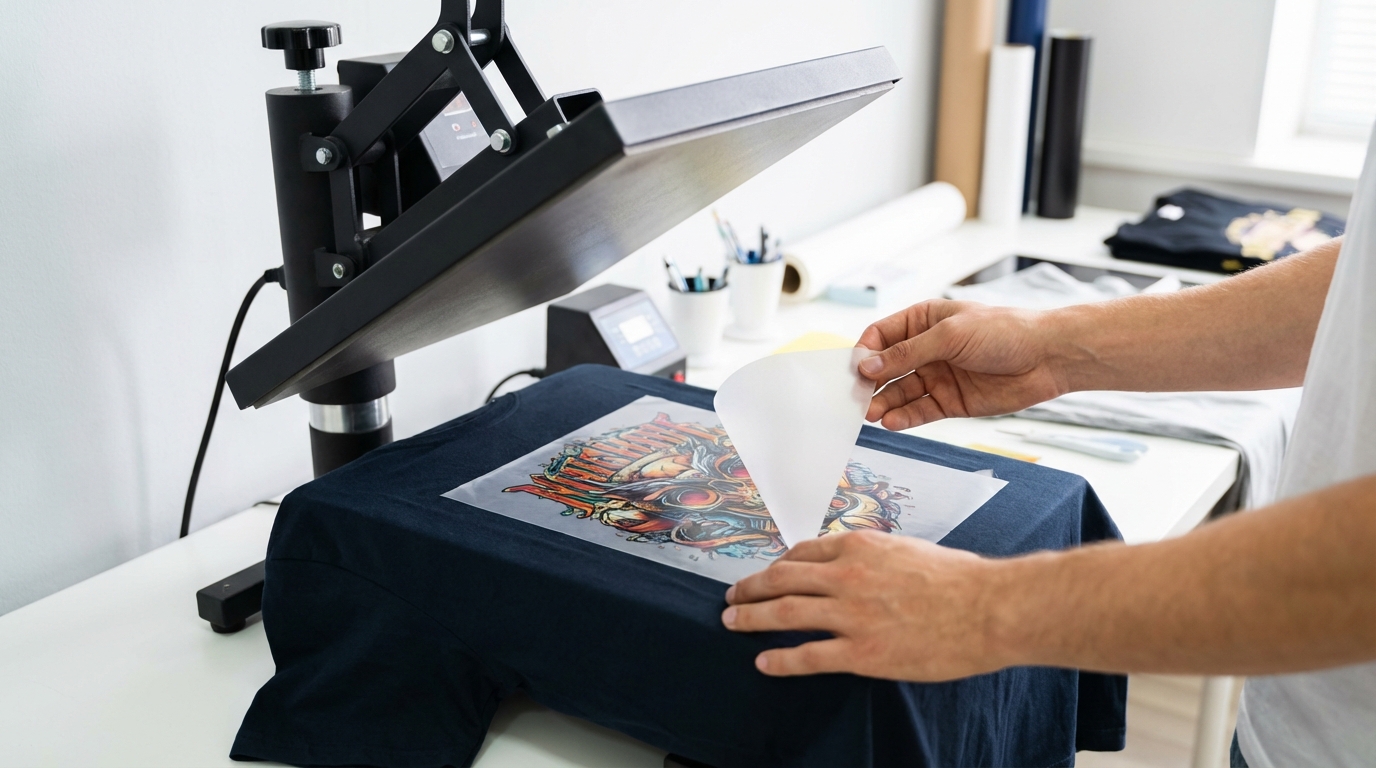
Before you begin the dtf transfer application process, ensure you have all the necessary supplies on hand. Having everything prepared will streamline the process and minimize potential errors. Here’s a comprehensive list:

Proper fabric preparation is key to achieving a successful dtf transfer application. Follow these steps to ensure your fabric is ready to receive the transfer:
The heat pressing stage is where the magic happens. Follow these steps carefully to ensure a strong and lasting bond between the transfer and the fabric:
Selecting the correct heat press settings is vital for a successful DTF transfer. Different fabrics and transfer types may require slightly different settings. Always refer to the transfer manufacturer's instructions for the most accurate guidance. Use 282°F (139°C) and a pressing time of 10 seconds on cotton or 6 seconds on polyester. Pressure should be firm but not excessive. Experimentation on scrap fabric is recommended to fine-tune your settings.
[IMAGE: A close-up of a heat press applying pressure to a DTF transfer on a t-shirt, with a teflon sheet in between. Alt text: Heat pressing a DTF transfer]Peeling the transfer correctly is crucial to avoid damaging the design. Our DTF transfers are hot peel.
To peel the transfer, gently lift a corner and slowly peel it away from the fabric at a smooth, even pace. If you encounter any resistance, stop and re-press the transfer for a few more seconds.
Post-pressing, also known as a second press, is an optional but highly recommended step that can improve the durability and feel of the transfer. Here’s how to do it:
Post-pressing helps to further embed the ink into the fabric, resulting in a softer feel and improved wash resistance. According to industry experts, post-pressing can increase the lifespan of a DTF transfer by up to 20%. [INTERNAL_LINK: caring for dtf transfers]
Even with careful preparation, issues can sometimes arise during the dtf transfer application process. Here are some common problems and their solutions:
Proper care is essential to prolong the life of your DTF transfers. Provide these instructions to your customers:
Once you've mastered the basics, explore these advanced techniques to elevate your DTF transfer game:
Mastering the art of dtf transfer application opens up a world of creative possibilities for garment decoration. By following this comprehensive guide, you can achieve professional-quality results that are both durable and visually stunning. Remember to prepare your fabric meticulously, choose the correct heat press settings, and follow proper care instructions to ensure your DTF transfers stand the test of time. With practice and attention to detail, you'll be applying DTF transfers like a pro in no time! Ready to start? [INTERNAL_LINK: where to buy dtf transfers]

Same-day DTF transfers, gang sheets and UV DTF stickers printed in Dallas, Texas and shipped nationwide. No minimums, no setup fees, over 80,000 inches printed daily.
