DTF Ready to Press: The Ultimate Convenience [2024 Guide]
DTF Ready to Press: The Ultimate Convenience for Your Designs
Are you tired of the time-consuming and complex processes involved in traditional apparel decoration methods? Do you dream of creating vibrant, durable designs without the hassle of weeding, layering, or pretreating? Then DTF ready to press transfers are the solution you've been searching for. This comprehensive guide will delve into everything you need to know about DTF ready to press transfers, including what they are, how they work, and how they can revolutionize your business.
DTF stands for Direct-to-Film. DTF ready to press transfers are pre-printed designs on a special film that are ready to be heat pressed onto a variety of garments and materials. Unlike traditional methods like screen printing or vinyl, DTF printing involves printing your design directly onto a PET film using water-based inks. A powdered adhesive is then applied to the wet ink, and the film is cured. This creates a transfer that can be easily applied to your chosen substrate using a heat press.
hero
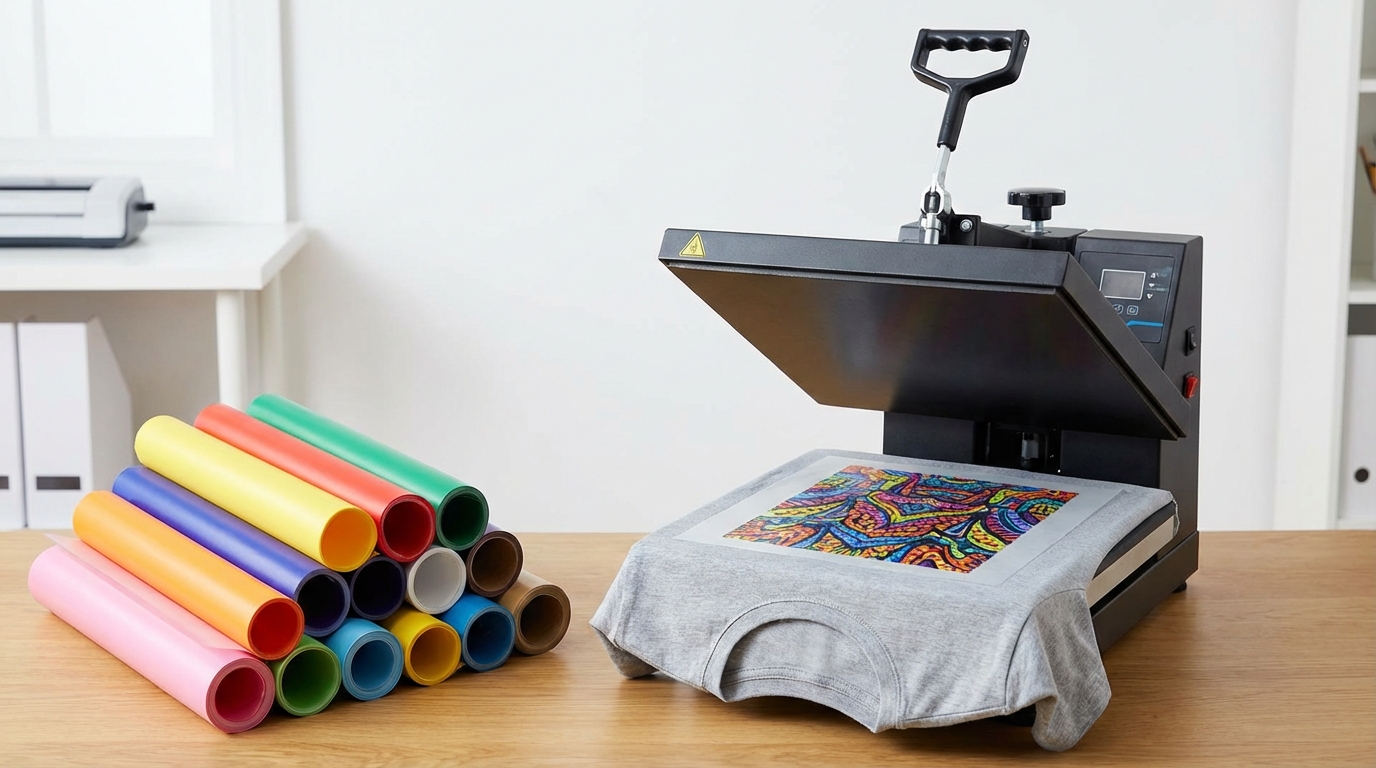
[IMAGE: Close-up of a DTF transfer sheet with vibrant, detailed designs.]
DTF vs. Other Printing Methods
Compared to other methods, DTF offers several advantages:
mid-content
No Weeding Required: Unlike vinyl, DTF transfers eliminate the tedious process of weeding away excess material.
Full Color Printing: DTF allows for vibrant, full-color designs with gradients and intricate details, surpassing the limitations of single-color vinyl.
Versatility: DTF transfers can be applied to a wide range of fabrics, including cotton, polyester, blends, and even some hard surfaces.
Durability: DTF prints are known for their excellent washability and durability, ensuring your designs last.
Cost-Effective for Small Runs: DTF is a cost-effective solution for small to medium-sized orders, as there are no setup costs associated with screens or stencils.
Key Benefits of Using DTF Ready to Press
The advantages of using DTF ready to press transfers are numerous, especially for small businesses looking to streamline their operations and offer high-quality products. Here are some of the key benefits:
Time Savings: Eliminate the time-consuming steps of traditional printing methods, allowing you to fulfill orders faster.
Reduced Labor Costs: With no weeding or complex setup required, you can reduce labor costs and allocate resources to other areas of your business.
High-Quality Prints: Achieve vibrant, durable prints with excellent color accuracy and detail.
Low Minimum Orders: Many DTF transfer suppliers offer low or no minimum order quantities, making it ideal for small businesses and custom orders.
Wide Range of Applications: Decorate a variety of garments and materials, expanding your product offerings.
Reduced Waste: DTF printing minimizes waste compared to methods like vinyl, contributing to a more sustainable business practice.
Specific Benefits for Small Businesses
For small businesses, the benefits of DTF ready to press are even more pronounced. According to a recent survey by [CITATION: Apparel Industry Association], 65% of small apparel businesses reported increased efficiency after adopting DTF printing. The ability to offer custom designs with low minimums opens up new revenue streams and allows small businesses to compete with larger companies.
How DTF Printing and Application Works
Understanding the DTF printing and application process is crucial for achieving optimal results with DTF ready to press transfers. Here's a breakdown of the key steps:
Design Creation: Create your design using graphic design software like Adobe Photoshop or Illustrator. Ensure your design is high-resolution and properly sized for the intended application.
Printing on PET Film: Your design is printed directly onto a PET (Polyethylene Terephthalate) film using specialized DTF printers and water-based inks.
Powder Application: A powdered adhesive, typically TPU (Thermoplastic Polyurethane), is applied to the wet ink on the film. This adhesive acts as a bonding agent between the ink and the fabric.
Curing: The film is then cured using heat, typically in a curing oven or with a heat press. This melts the adhesive and bonds it to the ink, creating a durable transfer.
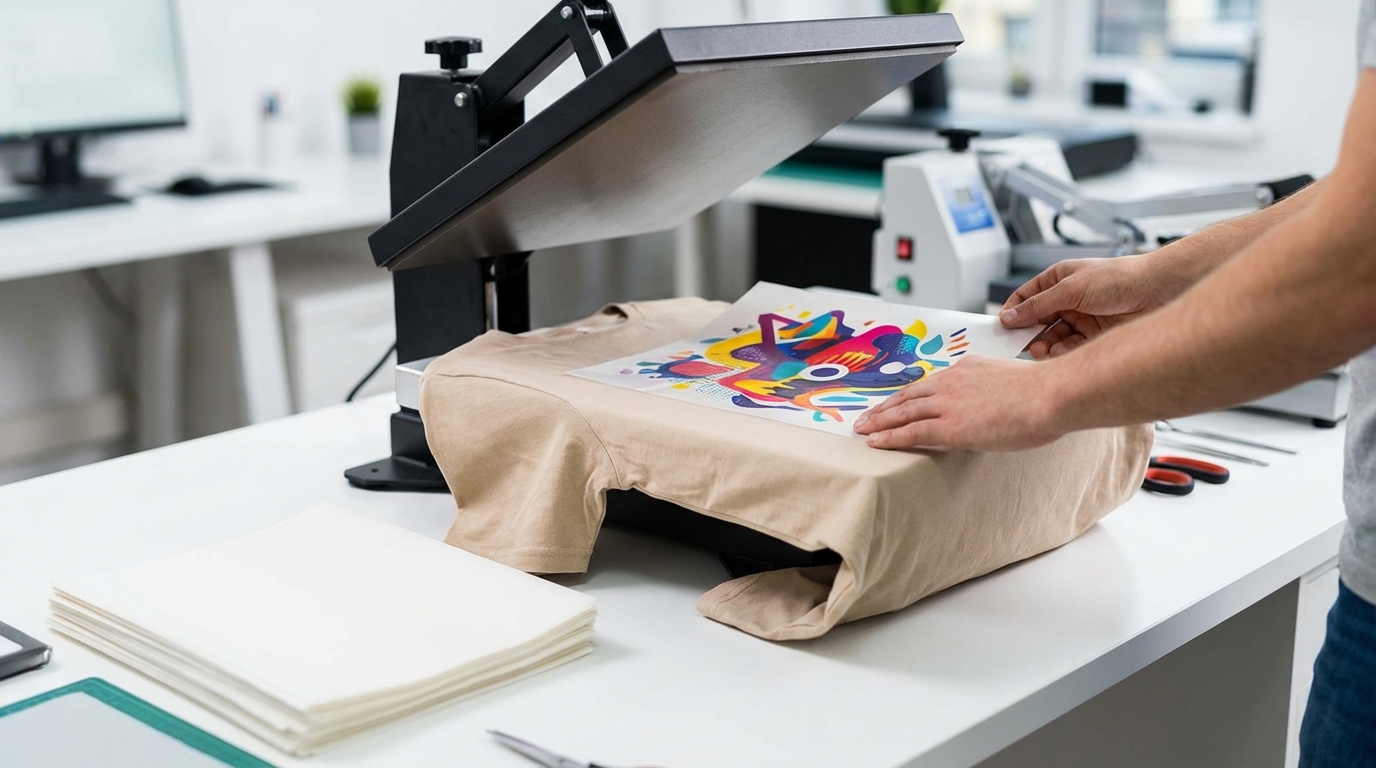
Application to Garment: The cured DTF transfer is then heat pressed onto the chosen garment or material. The heat and pressure activate the adhesive, bonding the ink to the fabric.
[IMAGE: Illustration showing the DTF printing process from design to application.]
Choosing the Right DTF Transfer Supplier
Selecting a reliable DTF transfer supplier is essential for ensuring the quality and consistency of your prints. Here are some factors to consider when choosing a supplier:
Print Quality: Request samples to assess the print quality, color accuracy, and durability of the transfers.
Material Quality: Inquire about the type of PET film and adhesive used, as these factors can impact the transfer's performance.
Turnaround Time: Consider the supplier's turnaround time and ensure it aligns with your production schedule.
Pricing: Compare pricing from different suppliers, but prioritize quality over the lowest price.
Customer Service: Choose a supplier with excellent customer service and responsive support.
Minimum Order Quantities: Check the supplier's minimum order quantities and ensure they meet your needs.
Key Questions to Ask Your DTF Supplier
What type of inks and adhesive do you use?
What is your typical turnaround time?
What are your minimum order quantities?
Do you offer sample prints?
What file formats do you accept?
What is your warranty or guarantee policy?
Design Considerations for DTF Transfers
While DTF printing offers great flexibility, there are some design considerations to keep in mind to achieve optimal results:
Resolution: Use high-resolution images (300 DPI or higher) to ensure sharp, detailed prints.
Color Mode: Design in CMYK color mode for accurate color reproduction.
Transparency: Avoid using transparency effects, as they may not print correctly. Convert transparency to rasterized layers.
Thin Lines: Be mindful of thin lines, as they may not adhere well to the fabric.
Gradients: DTF handles gradients well, but ensure they are smooth and not overly pixelated.
The Application Process: Step-by-Step Guide
Applying DTF ready to press transfers is a relatively simple process, but following these steps will ensure a successful application:
Prepare Your Garment: Ensure the garment is clean, dry, and free of wrinkles. Pre-press the garment for a few seconds to remove any moisture.
Position the Transfer: Carefully position the DTF transfer on the garment, ensuring it is aligned correctly.
Heat Press: Use a heat press to apply the transfer. The recommended temperature and pressure will vary depending on the supplier and the type of fabric. Consult your supplier's instructions for specific recommendations. Press at 282°F (139°C) for 10 seconds on cotton or 6 seconds on polyester with medium pressure.
Hot Peel: Our DTF transfers are hot peel, so peel the film right after pressing, while it is still hot.
Re-Press (Optional): After peeling the film, you can re-press the garment for a few seconds with parchment paper to further set the ink and improve durability.
Troubleshooting Common DTF Transfer Issues
While DTF printing is generally reliable, you may encounter some issues from time to time. Here are some common problems and how to troubleshoot them:
Transfer Not Adhering: Increase the heat press temperature or pressure, or extend the pressing time. Also, ensure the garment is properly pre-pressed.
Ink Cracking: Reduce the pressure on the heat press, or use a softer platen.
Color Fading: Ensure the inks are properly cured and the garment is properly cared for.
Film Not Peeling: Adjust the heat press temperature or pressing time. Also, make sure you peel the film right after pressing, while it is still hot.
Care Instructions for DTF Printed Garments
Proper care is essential for prolonging the life of DTF printed garments. Here are some recommended care instructions:
Turn the garment inside out before washing.
Wash in cold water on a gentle cycle.
Use a mild detergent.
Do not bleach.
Tumble dry on low heat or hang to dry.
Do not iron directly on the print.
The Future of DTF Technology
DTF technology is constantly evolving, with advancements in printers, inks, and adhesives. The future of DTF printing looks promising, with potential for even faster printing speeds, improved print quality, and wider range of applications. [INTERNAL_LINK: custom apparel printing] As the technology matures, we can expect to see DTF become even more accessible and affordable for businesses of all sizes.
Conclusion
DTF ready to press transfers offer a convenient, cost-effective, and high-quality solution for apparel decoration. By understanding the process, choosing the right supplier, and following best practices, you can leverage DTF technology to streamline your business, expand your product offerings, and deliver exceptional results. Embrace the convenience and power of DTF ready to press transfers and unlock new possibilities for your designs. Ready to elevate your business? Explore our selection of DTF transfers and start creating today!

![DTF Ready to Press: The Ultimate Convenience [2024 Guide]](http://dtfcenter.com/cdn/shop/articles/b38ebdca-18f0-4686-8f58-28a8a79c5763-featured-1766055638953_1376x768_crop_center.png?v=1766055678)