
(469) 436-6127

Are you tired of the time-consuming and expensive process of traditional garment decoration methods? Ready to press DTF (Direct to Film) transfers are here to revolutionize your business. These transfers offer a cost-effective and efficient solution for creating high-quality, custom apparel. This comprehensive guide explores the numerous benefits of using ready to press transfers, helping you understand how they can save you both time and money.
Table of Contents
Ready to press DTF transfers are pre-printed designs on a special film that can be directly heat-pressed onto various fabrics. Unlike traditional methods like screen printing, DTF involves printing the design onto a film first, then transferring it to the garment using heat and pressure. This process eliminates the need for screens, stencils, or weeding, making it a significantly faster and more streamlined option. The use of specialized DTF inks ensures vibrant colors and excellent durability.
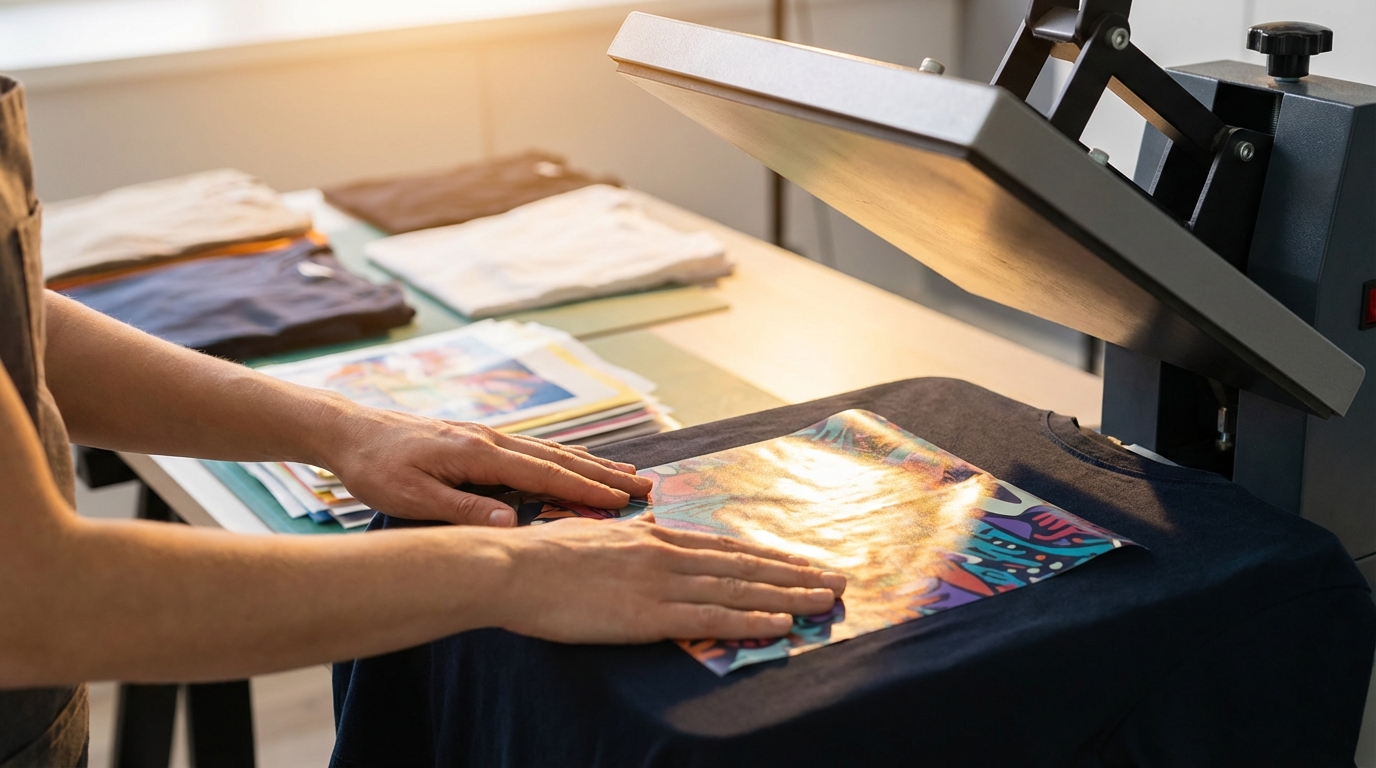
[IMAGE: Close-up of a DTF transfer being applied to a t-shirt with a heat press, showing vibrant colors and sharp details, alt: Applying a DTF transfer to a t-shirt]
Here's a breakdown of the major advantages of using ready to press DTF transfers:
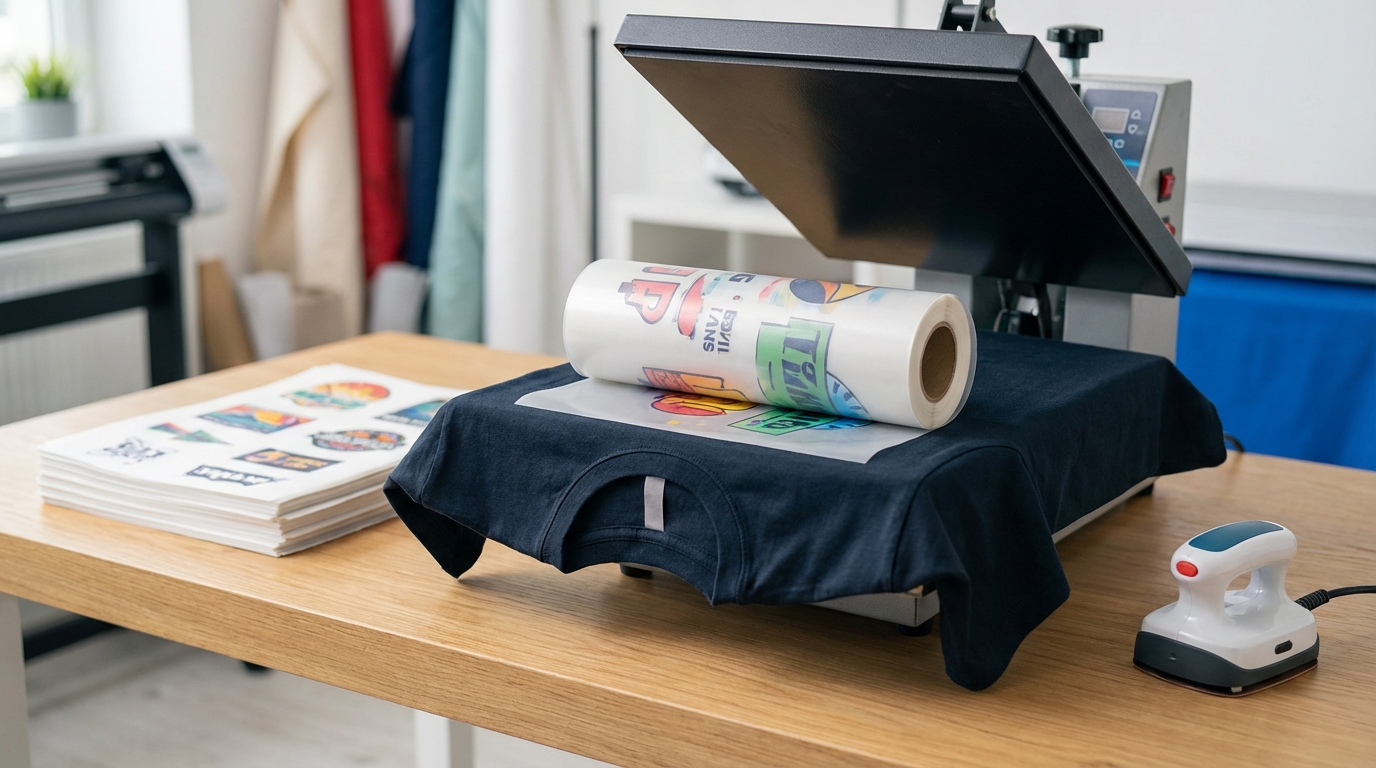
One of the most significant advantages of ready to press transfers is the time saved in production. Let's examine the time-saving aspects in detail:
Unlike screen printing, which requires creating screens and mixing inks, DTF transfers are ready to go as soon as you receive them. This eliminates hours of setup time, allowing you to focus on fulfilling orders.
The heat-pressing process for DTF transfers is quick and straightforward, typically taking only 10-20 seconds per garment. This is significantly faster than other methods that require multiple steps or longer curing times.
With DTF transfers, you can produce garments on demand, eliminating the need to hold large inventories. This reduces the risk of unsold stock and frees up valuable storage space.
Beyond saving time, DTF transfers offer substantial cost savings. Here’s how:
The simplified application process requires less skilled labor, reducing your labor costs. You don't need experienced screen printers or vinyl specialists to apply DTF transfers effectively.
DTF transfers eliminate the need for expensive screens, stencils, and weeding tools. This reduces your material costs and simplifies your inventory management. The use of DTF ink is generally cost-effective compared to traditional screen printing inks when considering small to medium production runs.
Many DTF transfer suppliers offer no minimum order quantities, allowing you to order only what you need. This is ideal for small businesses or those who want to test new designs without committing to large orders. This flexibility is a major advantage over screen printing, which typically requires minimum order sizes to be cost-effective.
DTF transfers are known for their high-quality prints and excellent durability. The use of specialized DTF inks ensures vibrant colors and sharp details that can withstand multiple washes. Independent testing has shown that DTF prints can last for 50+ washes without significant fading or cracking. [INTERNAL_LINK: garment decoration methods]
Here are some factors that contribute to the quality and durability of DTF prints:
Let's compare DTF transfers to other popular printing methods:
| Method | Pros | Cons |
|---|---|---|
| DTF Transfers | Cost-effective, fast, versatile, high-quality prints, no minimums | Requires specialized equipment (DTF printer or supplier), can be more expensive for very large runs |
| Screen Printing | Cost-effective for large runs, durable prints | High setup costs, time-consuming, requires skilled labor, minimum order quantities |
| Vinyl | Good for simple designs, durable | Time-consuming weeding process, limited color options, not suitable for complex designs |
Selecting a reliable supplier is crucial for ensuring the quality and consistency of your DTF transfers. Here are some factors to consider when choosing a supplier:
Proper artwork preparation is essential for achieving the best results with DTF transfers. Follow these guidelines:
Applying ready to press DTF transfers is a straightforward process. Here's a step-by-step guide:
Follow these tips to maximize the quality and longevity of your DTF prints:
Avoid these common mistakes to ensure successful DTF transfers:
DTF transfers are rapidly gaining popularity in the custom apparel industry, and their future looks bright. As technology advances, we can expect to see even more improvements in print quality, durability, and ease of use. DTF transfers are poised to become the dominant printing method for small to medium-sized businesses. The ability to produce high-quality, custom apparel on demand, without the need for expensive equipment or skilled labor, makes DTF transfers an attractive option for entrepreneurs and established businesses alike.
Ready to press transfers offer a game-changing solution for businesses looking to streamline their garment decoration process. By saving time, reducing costs, and delivering high-quality prints, DTF transfers provide a competitive edge in the custom apparel market. Embrace this innovative technology to enhance your business's efficiency and profitability. Ready to get started? Explore our selection of ready to press DTF transfers and experience the difference today! [INTERNAL_LINK: DTF printing services]

Same-day DTF transfers, gang sheets and UV DTF stickers printed in Dallas, Texas and shipped nationwide. No minimums, no setup fees, over 80,000 inches printed daily.
Dallas: 11500 Harry Hines Blvd STE 117, Dallas, TX 75229 Fort Worth: 5201 N Beach St #101, Fort Worth, TX 76137
(469) 436-6127 · info@dtfcenter.com

Leave a comment