
(469) 436-6127

Are you curious about the cost of custom DTF (Direct to Film) transfers? Understanding the various factors that influence pricing is crucial for budgeting and ensuring you get the best value for your investment. This comprehensive guide will break down the key elements that determine the custom DTF transfer cost, from the size and complexity of your design to the quantity ordered and the service provider you choose.
Table of Contents
The intricacy of your design plays a significant role in determining the custom DTF transfer cost. More complex designs require more processing time and ink, which directly impacts the price. Similarly, the number of colors used in your design also influences the cost. Each color requires a separate layer and more precise printing, increasing production time and material usage. A design with gradients or intricate details will typically cost more than a simpler, single-color design.
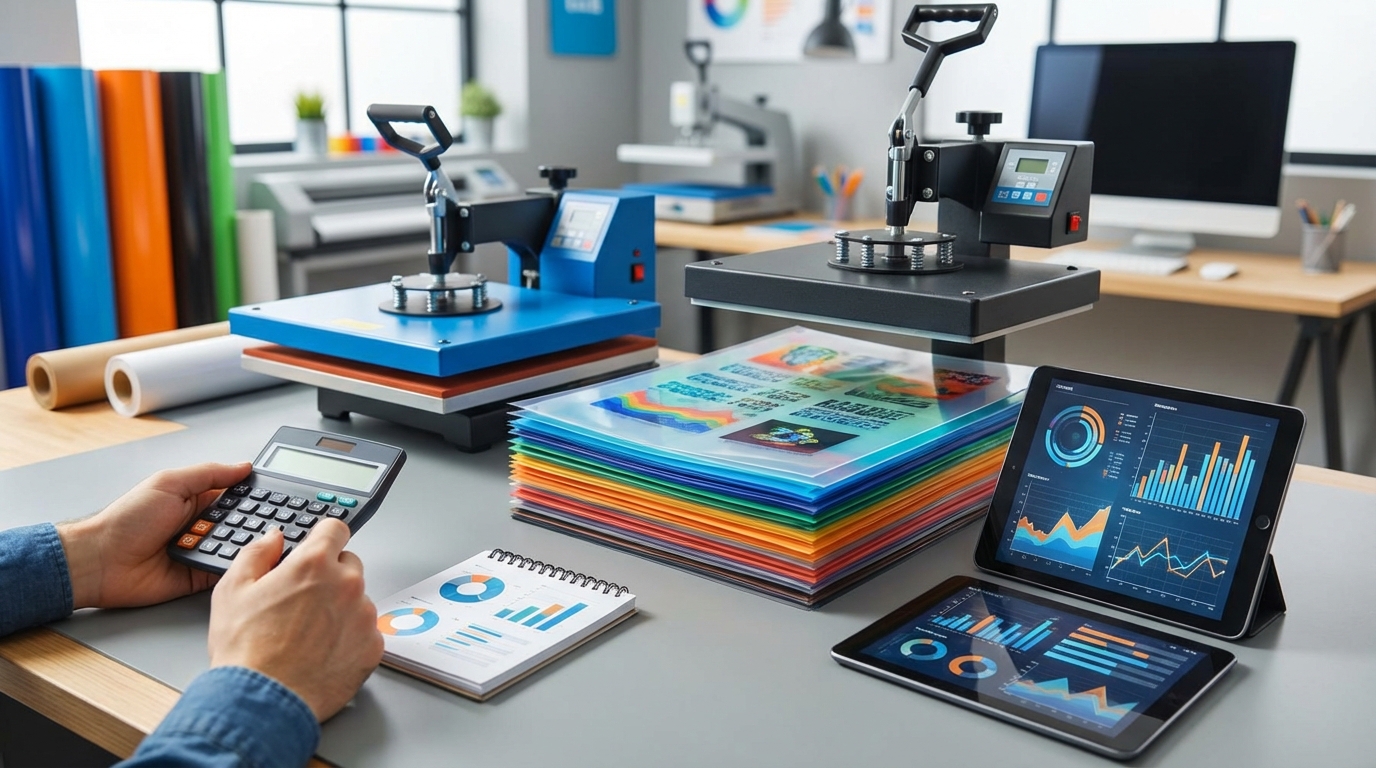
For example, a full-color photograph will be more expensive than a simple logo with only one or two solid colors. Consider simplifying your design or reducing the number of colors if you're working with a tight budget. Providing vector files ensures the best print quality and may reduce setup costs.
Vector graphics, created with programs like Adobe Illustrator, are scalable without losing quality, while raster graphics (like JPEGs) become pixelated when enlarged. Providing vector files can streamline the printing process and potentially lower the custom DTF transfer cost.
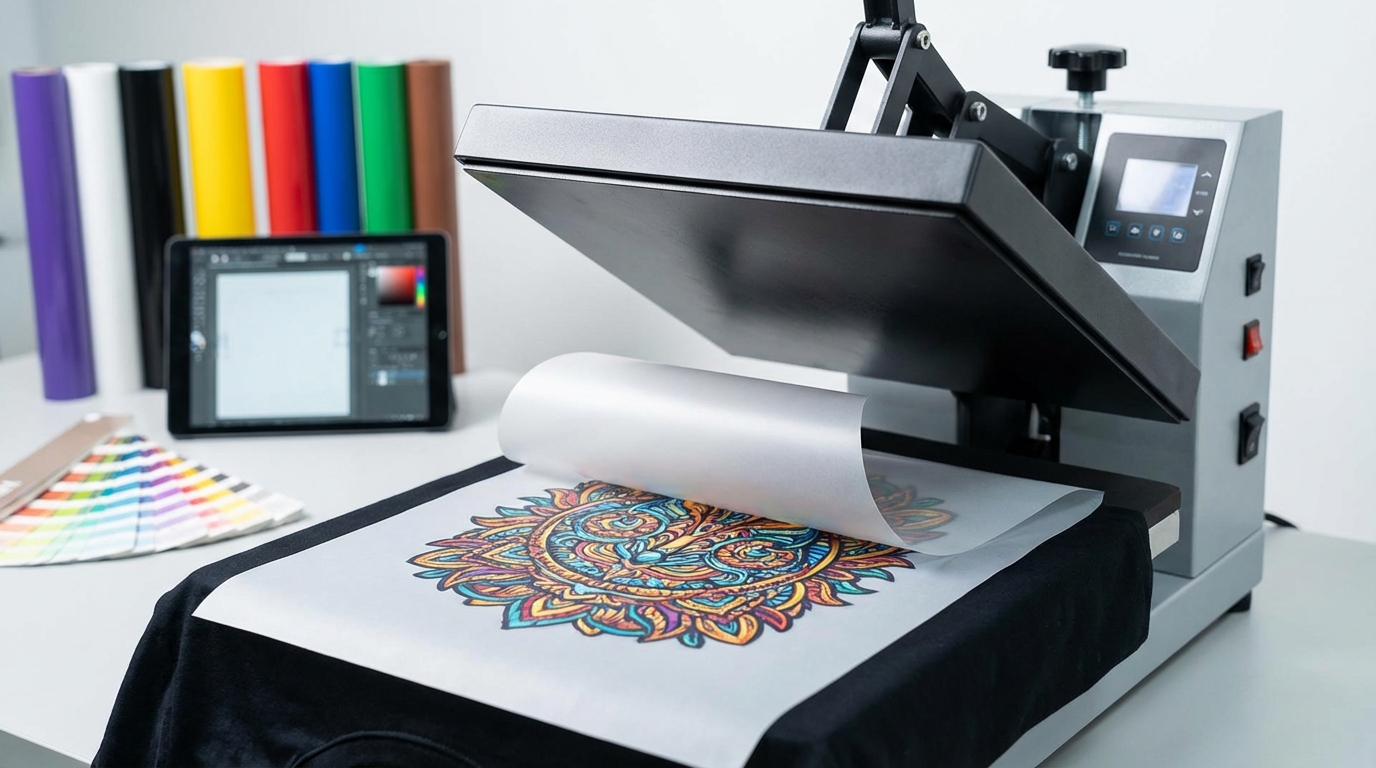
The size of your desired transfer is a straightforward factor affecting the price. Larger transfers require more ink and printing area, resulting in a higher custom DTF transfer cost. Most DTF printing services price their transfers based on the square inch or square foot of the design. Before requesting a quote, accurately measure the dimensions of your design to get a more precise estimate.
For instance, a design covering the entire back of a t-shirt will naturally cost more than a small logo placed on the chest. Consider breaking down a large design into smaller, individual transfers if possible, to potentially reduce overall costs.
Understanding standard transfer sizes for common applications can help you plan your designs effectively. For example, a typical chest logo is around 4x4 inches, while a full back print can be 12x14 inches or larger.
Like most printing services, DTF transfer providers offer bulk discounts for larger orders. The more transfers you order, the lower the per-unit custom DTF transfer cost. This is because the initial setup costs are spread across a larger number of items, reducing the overall cost per transfer. If you anticipate needing more transfers in the future, consider ordering a larger quantity upfront to take advantage of these discounts.
Many DTF printing companies offer tiered pricing based on quantity, so it's worth exploring different order volumes to see where you can maximize your savings. Consider grouping orders with friends or colleagues to reach higher quantity tiers.
Here's a hypothetical example of tiered pricing for a 10x10 inch DTF transfer:
While DTF transfers are generally versatile and work well on a wide range of fabrics, certain fabric types may require special handling or pretreatments, which can affect the custom DTF transfer cost. For example, applying transfers to delicate fabrics or those requiring special finishes (like glitter or glow-in-the-dark) may incur additional charges. The need for pretreating garments for optimal adhesion can also add to the overall price.
Discuss your fabric choices with your DTF transfer provider to understand any potential limitations or additional costs associated with your specific materials. Providing sample fabrics for testing can help ensure the best results and avoid unexpected expenses.
Synthetic fabrics like polyester may require lower temperatures during the heat pressing process to prevent scorching or melting. This may necessitate specialized inks or techniques, potentially increasing the custom DTF transfer cost.
The number of locations where you want the DTF transfer applied on the garment will also influence the price. A design printed on both the front and back of a t-shirt will cost more than a design printed on only one location. Each additional location requires separate setup and printing time, contributing to the overall custom DTF transfer cost.
Consider simplifying your design by focusing on a single, impactful location if budget is a concern. For example, a large back print might be more cost-effective than smaller prints on the front, back, and sleeves.
Sleeve prints often require special equipment and handling, which can increase the price compared to standard chest or back prints.
The pricing structure of different DTF transfer service providers can vary significantly. Some providers may offer lower prices but longer turnaround times, while others may charge a premium for faster service. Researching and comparing quotes from multiple providers is essential to find the best balance between cost and turnaround time for your specific needs. Consider factors like experience, reputation, and customer reviews when making your decision.
Also, factor in rush fees if you need your transfers completed urgently. Communicating your deadlines clearly with the provider will help avoid misunderstandings and unexpected costs. [INTERNAL_LINK: DTF transfer services comparison]
Using a local DTF transfer provider can offer several advantages, including faster turnaround times, easier communication, and the ability to physically inspect samples before committing to a large order.
Be aware of any additional services or setup fees that may be added to your custom DTF transfer cost. These can include design setup fees, color matching fees, or fees for creating custom sizes or shapes. Always ask for a detailed breakdown of all costs involved before placing your order to avoid any surprises. Some providers may waive setup fees for larger orders or offer discounts for repeat customers.
For example, if you need the provider to create a design from scratch, you will likely incur a design fee. Similarly, if you require precise color matching to a specific Pantone color, there may be an additional charge. [IMAGE: Example of a detailed DTF transfer quote with line items]
Utilizing a gang sheet, where multiple designs are arranged on a single transfer sheet, can be a cost-effective way to maximize the value of your DTF transfer. Many providers charge based on the sheet size, not the number of individual designs on it.
Turnaround time varies depending on the service provider, order size, and design complexity. It can range from a few days to a couple of weeks. Always confirm the estimated turnaround time before placing your order.
Yes, most DTF transfer providers allow you to supply your own garments. However, it's essential to check with the provider regarding any restrictions or requirements related to fabric type or garment preparation.
Vector files (e.g., AI, EPS, SVG) are generally preferred as they ensure the best print quality and scalability. If you're using raster files (e.g., JPEG, PNG), make sure they are high-resolution (300 DPI or higher) to avoid pixelation.
To prolong the life of your DTF transfers, wash garments inside out in cold water and avoid using harsh detergents or bleach. Tumble dry on low heat or hang to dry. Avoid ironing directly on the transfer.
Understanding the various factors that influence the custom DTF transfer cost is crucial for making informed decisions and optimizing your budget. By considering design complexity, transfer size, order quantity, fabric type, number of locations, service provider, and additional services, you can effectively manage your expenses and achieve the best possible results. Remember to compare quotes from multiple providers and communicate your specific needs clearly to avoid any surprises. Ready to get started? Request a free quote today and bring your designs to life with high-quality DTF transfers!

Same-day DTF transfers, gang sheets and UV DTF stickers printed in Dallas, Texas and shipped nationwide. No minimums, no setup fees, over 80,000 inches printed daily.
Dallas: 11500 Harry Hines Blvd STE 117, Dallas, TX 75229 Fort Worth: 5201 N Beach St #101, Fort Worth, TX 76137
(469) 436-6127 · info@dtfcenter.com

Leave a comment