Are you tired of weeding vinyl, dealing with messy screens, or facing high minimum order quantities? Ready to press DTF (Direct to Film) transfers offer a game-changing solution for apparel decoration. These transfers provide vibrant, durable, and highly detailed prints on a variety of fabrics. This comprehensive guide will explore the benefits of DTF transfers, how to choose the right supplier, and how to apply them for professional results. Order your dtf ready to press transfers today and experience the future of garment decoration!
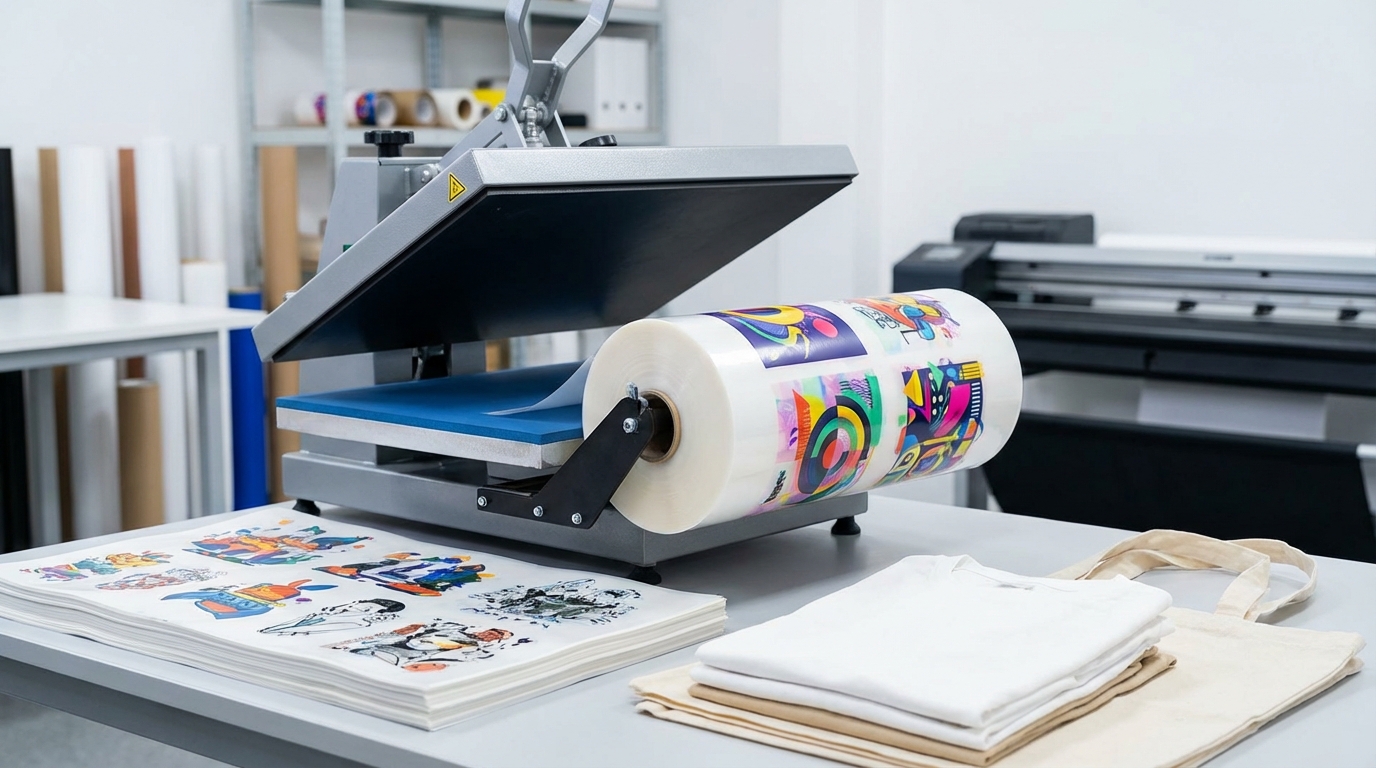
DTF, or Direct to Film, is a printing process that involves printing designs onto a special film and then transferring them onto garments using heat and pressure. Dtf ready to press transfers are pre-printed films that are ready to be applied directly to your chosen fabric. This eliminates the need for complex setup processes like screen printing or vinyl cutting and weeding. The process involves printing a design onto a PET film using water-based inks, followed by the application of a hot melt powder adhesive. This adhesive ensures the design bonds permanently to the fabric during the heat pressing process.
The DTF Transfer Process Explained
Design Creation: Start with a digital design created in software like Adobe Photoshop or Illustrator.
Printing: The design is printed onto a special PET film using DTF printers and water-based inks, including white ink for vibrant colors on dark fabrics.
Powder Application: A hot melt powder adhesive is applied to the wet ink.
Curing: The powder is cured, creating a slightly raised, adhesive layer.
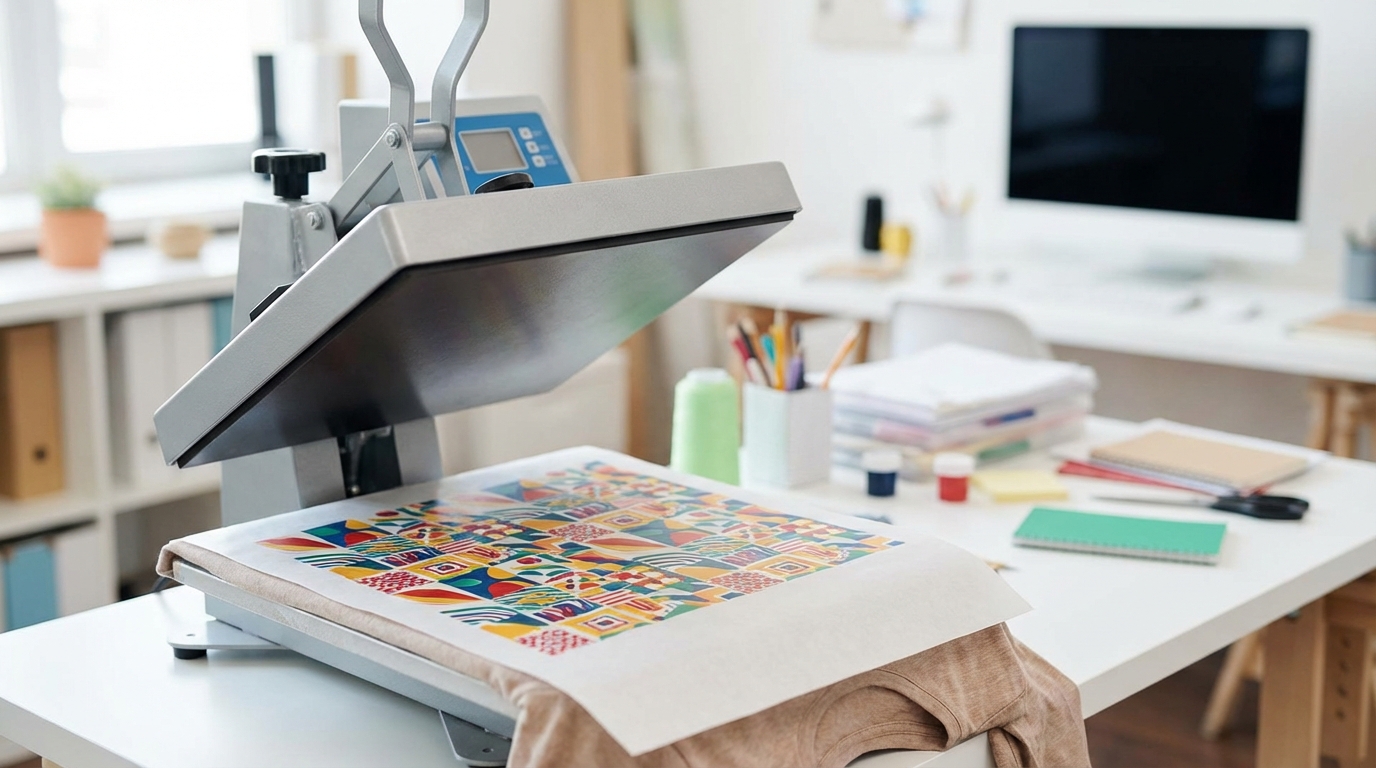
Heat Pressing: The transfer is placed onto the garment and heat-pressed, bonding the design to the fabric.
Peeling: The film is peeled away, leaving the design permanently adhered to the garment.
The Benefits of Using DTF Ready to Press Transfers
Choosing dtf ready to press transfers offers numerous advantages for businesses of all sizes. From small home-based operations to large-scale apparel manufacturers, the benefits are undeniable.
No Minimums: Order as few or as many transfers as you need, perfect for small batches and custom orders.
Vibrant Colors: DTF transfers produce bright, vivid colors that pop on any fabric.
High Detail: Intricate designs and fine details are easily reproduced with DTF technology.
Durability: DTF prints are highly durable and can withstand numerous washes without fading or cracking. Studies show properly applied DTF transfers can last for 50+ washes.
Versatility: DTF transfers can be applied to a wide range of fabrics, including cotton, polyester, blends, and more.
Easy Application: The heat pressing process is simple and requires minimal training.
Reduced Labor: Eliminate the time-consuming tasks of weeding vinyl or preparing screens.
Cost-Effective: Lower setup costs and reduced labor make DTF transfers a cost-effective solution.
According to a recent industry report, businesses using DTF transfers have seen a 20% reduction in production time and a 15% decrease in labor costs.
Choosing the Right DTF Transfer Supplier
Selecting a reliable supplier of dtf ready to press transfers is crucial for ensuring high-quality results. Consider the following factors when making your decision:
Print Quality: Request samples to assess the print quality, color accuracy, and detail reproduction.
Film and Ink Quality: Ensure the supplier uses high-quality PET film and water-based inks for optimal results.
Turnaround Time: Inquire about the supplier's turnaround time and ensure it meets your production needs.
Pricing: Compare pricing from different suppliers, but don't sacrifice quality for the lowest price.
Customer Service: Choose a supplier with excellent customer service and a willingness to address any issues.
Equipment and Technology: Ensure the supplier uses modern DTF printing equipment and technology.
Reviews and Reputation: Check online reviews and testimonials to gauge the supplier's reputation.
We pride ourselves on providing the highest quality dtf ready to press transfers with fast turnaround times and exceptional customer service. [INTERNAL_LINK: DTF Printing Services]
How to Apply Ready to Press DTF Transfers
Applying dtf ready to press transfers is a straightforward process that can be mastered with a little practice. Follow these steps for best results:
Prepare the Garment: Preheat the garment for a few seconds to remove any wrinkles or moisture.
Position the Transfer: Place the transfer onto the garment, ensuring it is properly aligned.
Heat Press: Use a heat press to apply the transfer, following the supplier's recommended temperature and pressure settings. Typically, this is around 300-320°F (149-160°C) for 10-15 seconds.
Peel the Film: Allow the transfer to cool slightly before peeling away the film. Some transfers are hot peel, while others are cold peel. Follow the supplier's instructions.
Post-Press (Optional): After peeling, repress the design for a few seconds with parchment paper to improve durability and feel.
Pro Tip: Always test the transfer on a scrap piece of fabric before applying it to the final garment.
Design Considerations for DTF Transfers
To achieve the best results with dtf ready to press transfers, keep the following design considerations in mind:
Resolution: Use high-resolution images (300 DPI or higher) for sharp, detailed prints.
Color Mode: Design in CMYK color mode for accurate color reproduction.
Transparency: Avoid transparency effects, as they may not print correctly.
Thin Lines: Be cautious with very thin lines, as they may not adhere well to the fabric.
White Ink: If printing on dark fabrics, ensure your design includes a layer of white ink to make the colors pop.
[IMAGE: A graphic showcasing design considerations for DTF printing, highlighting resolution, color mode, and transparency.]
Troubleshooting Common DTF Transfer Issues
While dtf ready to press transfers are relatively easy to use, you may encounter some common issues. Here are some troubleshooting tips:
Transfer Not Adhering: Increase the heat press temperature, pressure, or dwell time.
Peeling After Washing: Ensure the transfer is properly heat-pressed and post-pressed. Use high-quality transfers.
Color Fading: Use high-quality inks and follow proper washing instructions (wash inside out in cold water).
Blurry Prints: Use high-resolution images and ensure the heat press is applying even pressure.
DTF Transfers vs. Other Decoration Methods
DTF transfers offer several advantages over other apparel decoration methods, such as screen printing, vinyl, and sublimation.
Method
Pros
Cons
DTF Transfers
No minimums, vibrant colors, high detail, versatile, easy application
Can be slightly less breathable than screen printing
Screen Printing
Durable, cost-effective for large quantities, breathable
High setup costs, requires specialized equipment, not ideal for small quantities
Vinyl
Good for simple designs, relatively inexpensive
Time-consuming weeding process, not ideal for complex designs, can crack or peel
Sublimation
Vibrant colors, excellent durability
Only works on polyester fabrics, requires specialized equipment
Cost Considerations and ROI
While the initial investment in dtf ready to press transfers may seem higher than some other methods, the long-term cost savings and increased efficiency can lead to a significant return on investment (ROI). Consider the following factors:
Reduced Labor Costs: Eliminate the time-consuming tasks of weeding vinyl or preparing screens.
Lower Setup Costs: No need for expensive screens or specialized equipment.
Increased Production Speed: Quickly apply transfers to garments, increasing your overall production capacity.
Ability to Handle Small Orders: No minimum order quantities allow you to cater to a wider range of customers.
Reduced Waste: Only order the transfers you need, minimizing waste and saving money.
Frequently Asked Questions (FAQs)
What temperature should I use for heat pressing DTF transfers?
The ideal temperature for heat pressing DTF transfers is typically between 300-320°F (149-160°C). However, always refer to your supplier's specific instructions for the best results.
Can I use DTF transfers on any fabric?
DTF transfers are versatile and can be applied to a wide range of fabrics, including cotton, polyester, blends, and more. However, it's always recommended to test the transfer on a scrap piece of fabric first.
How long do DTF transfers last?
DTF transfers are highly durable and can last for 50+ washes if properly applied and cared for. Wash garments inside out in cold water and avoid using harsh detergents or bleach.
What is the difference between hot peel and cold peel DTF transfers?
Hot peel DTF transfers are peeled immediately after heat pressing, while cold peel transfers are allowed to cool completely before peeling. Always follow your supplier's instructions for the best results.
Order Your DTF Transfers Today!
Ready to experience the benefits of dtf ready to press transfers? Contact us today to place your order and start creating stunning apparel designs! We offer a wide selection of high-quality transfers, fast turnaround times, and exceptional customer service.
In conclusion, dtf ready to press transfers offer a versatile, cost-effective, and efficient solution for apparel decoration. With their vibrant colors, high detail, and easy application, DTF transfers are revolutionizing the industry. Whether you're a small business owner or a large-scale manufacturer, DTF transfers can help you streamline your production, reduce costs, and expand your design possibilities. Don't wait – order your DTF transfers today and experience the future of garment decoration!




Leave a comment