DTF Printing: Your Ultimate Guide to Direct-to-Film Technology
What is DTF Printing? Your Ultimate Beginner's Guide
In the rapidly evolving world of custom apparel and product decoration, a revolutionary technology has emerged, capturing the attention of businesses and crafters alike: DTF printing. If you've been searching for a versatile, high-quality, and efficient method to bring your designs to life on a wide array of materials, understanding what is DTF printing is your crucial first step. This guide will demystify Direct-to-Film printing, providing you with a comprehensive overview of its process, benefits, applications, and why it's quickly becoming an industry favorite.
Whether you're a budding entrepreneur looking to launch a custom t-shirt business, an established print shop seeking to expand your offerings, or simply a creative individual eager to explore new possibilities, DTF printing offers an accessible yet powerful solution. We'll delve into the mechanics, compare it to traditional methods, and highlight the practical advantages that make it a compelling choice for modern customization needs.
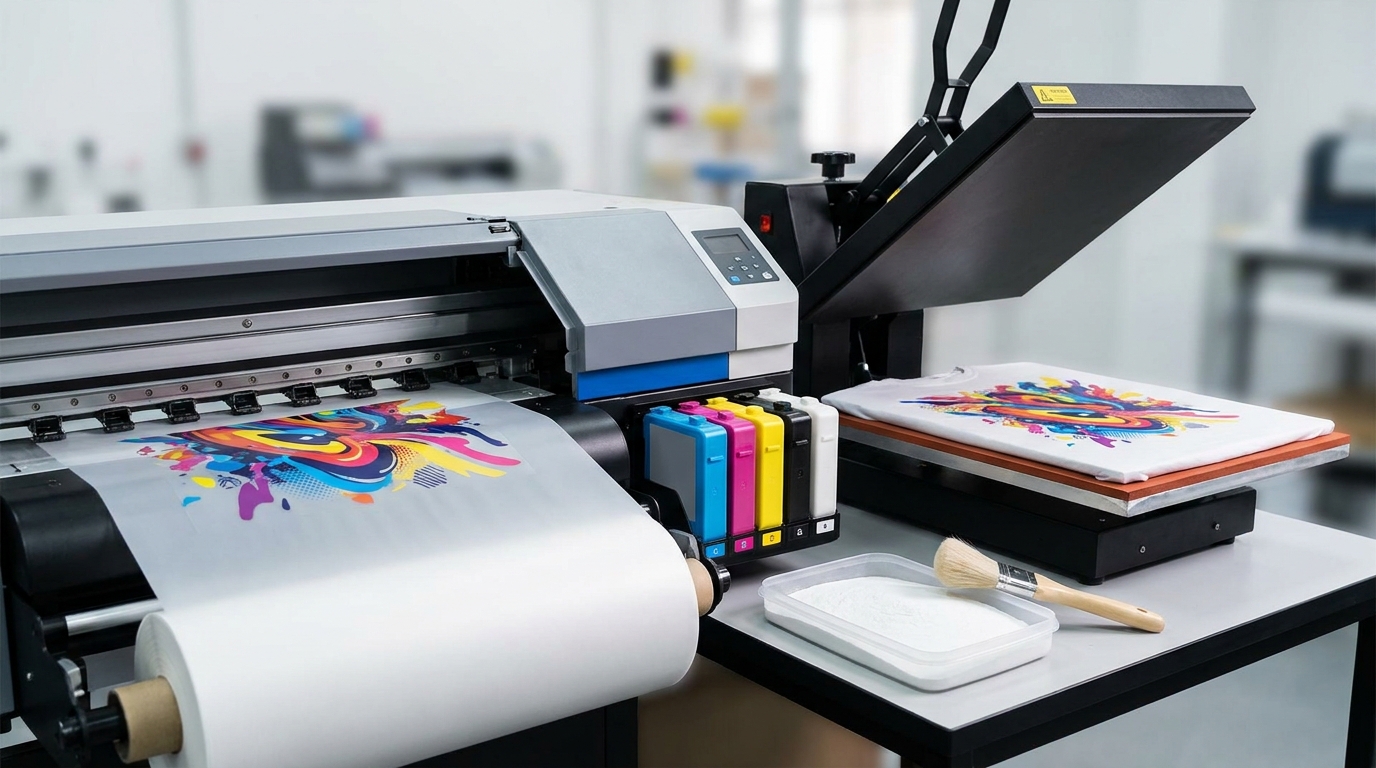
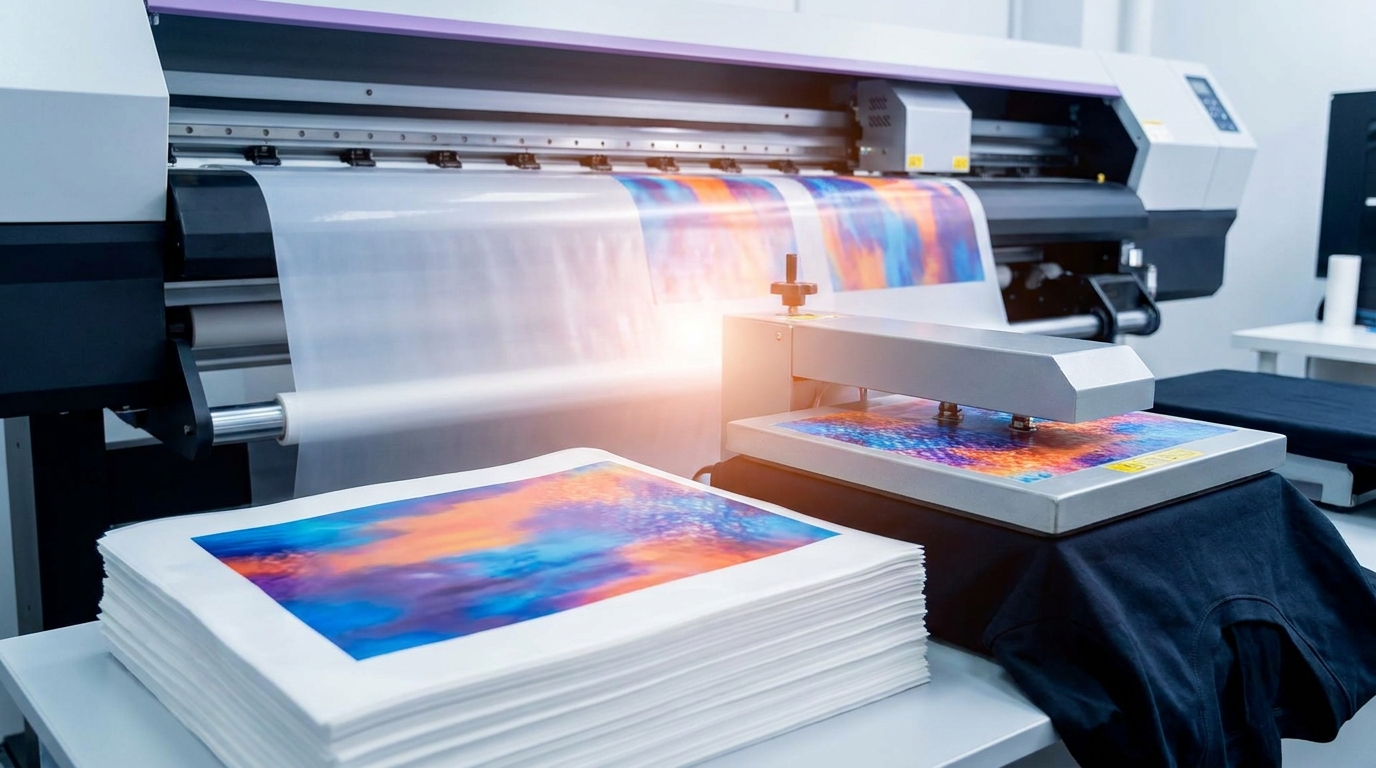
DTF, or Direct-to-Film, printing is an innovative digital printing method where a design is first printed onto a specialized polyethylene terephthalate (PET) film, then coated with a hot-melt adhesive powder, and finally heat-pressed onto a substrate, typically fabric, for a clean, durable transfer. This technique utilizes specialized water-based pigment inks, including a crucial white ink layer, to create vibrant, high-resolution images that adhere strongly to various materials.
Unlike some other printing methods that print directly onto the garment or require extensive pre-treatment, DTF printing separates the printing and transfer stages. This allows for greater flexibility in material choice and often simplifies the overall workflow. The resulting DTF transfers are known for their vivid colors, fine detail, and exceptional durability.
How Does DTF Printing Work? A Step-by-Step Process
The DTF printing process is a systematic workflow that ensures high-quality and long-lasting results. Understanding each step is key to appreciating the technology's efficiency and versatility. Here's a breakdown of the typical Direct-to-Film printing process:
Design Preparation: The process begins with creating or selecting a high-resolution digital design using graphic software like Adobe Illustrator or Photoshop. The design should be prepared with a transparent background and set at 300 DPI for optimal clarity. Crucially, a white underbase layer is typically added via RIP (Raster Image Processor) software to ensure color vibrancy, especially on dark fabrics.
Printing onto DTF Film: The prepared design is then printed onto a specialized PET film using a DTF printer. The printer first lays down the color (CMYK) inks, followed immediately by a layer of white ink on top of the color. This white layer acts as a base, making the colors pop when transferred.
Applying Adhesive Powder: While the ink on the film is still wet, a hot-melt adhesive powder is uniformly applied over the entire printed design. The film is then shaken to remove any excess powder, ensuring only the inked areas retain the adhesive.
Curing the Powder: The film, now coated with adhesive powder, is then cured. This can be done using a curing oven or by hovering a heat press over the film. The heat melts the adhesive powder, transforming it into a glossy, uniform layer that is ready for transfer. Typical curing temperatures are around 160°C for 2-5 minutes.
Pre-Pressing the Garment: Before transfer, the target garment (e.g., a t-shirt, hoodie) is pre-pressed in a heat press for a few seconds. This removes moisture and wrinkles, creating a flat, optimal surface for adhesion.
Heat Transfer to Fabric: The cured DTF transfer film is carefully placed onto the pre-pressed garment, design-side down. Using a heat press, the design is then transferred to the fabric at specific temperature and pressure settings (e.g., 160-170°C for 10-15 seconds). The heat and pressure activate the adhesive, bonding the design to the textile fibers.
Peeling and Finishing: After the transfer, the film is peeled off. Depending on the film type, this can be a 'hot peel' (immediately after pressing) or a 'cold peel' (after cooling). An optional second press with a parchment or Teflon sheet can enhance durability and soften the print's feel.
DTF vs. DTG Printing: A Head-to-Head Comparison
When exploring digital garment decoration, Direct-to-Film (DTF) printing is often compared to Direct-to-Garment (DTG) printing. While both are inkjet-based technologies, they operate with distinct methodologies and offer different advantages. Understanding these differences is crucial for selecting the right method for your specific needs.
Here’s a breakdown of how DTF printing stacks up against DTG:
Fabric Compatibility:
DTF Printing: Offers superior versatility, working on a vast range of materials including cotton, polyester, blends, nylon, fleece, denim, silk, and even some non-textile surfaces. It performs exceptionally well on both light and dark fabrics.
DTG Printing: Primarily suited for 100% cotton and high-cotton blend fabrics. It struggles with polyester and other synthetic materials, and typically requires a pre-treatment solution for optimal ink adhesion, especially on darker garments.
Pre-treatment:
DTF Printing: Generally requires no pre-treatment of the garment, saving time and labor.
DTG Printing: Almost always requires a pre-treatment spray on the garment before printing, which adds an extra step to the process.
Print Feel:
DTF Printing: The final print has a slightly 'plastic' or rubberized feel, similar to screen print transfers or HTV, but remains flexible and elastic, resisting cracking.
DTG Printing: The ink soaks directly into the fabric fibers, resulting in a much softer, 'no-hand' feel that integrates seamlessly with the garment.
Color Vibrancy & White Ink:
DTF Printing: Consistently uses a white ink underbase, ensuring vibrant, opaque colors that pop on both light and dark fabrics.
DTG Printing: Uses white ink only on darker garments. On lighter fabrics, the ink is absorbed more, which can result in slightly less vibrant colors compared to DTF.
Production Speed & Cost:
DTF Printing: Can be faster for bulk orders, especially if transfers are pre-printed. It often has lower setup costs per item for complex, multi-color designs compared to screen printing.
DTG Printing: Can be quicker for single, on-demand prints as it prints directly. However, it can be slower for bulk orders due to individual garment loading and pre-treatment.
The Unmatched Advantages of Direct-to-Film Printing
The growing popularity of DTF printing is not without reason. It brings a host of compelling benefits that address many pain points of traditional garment decoration methods, making it an attractive option for a wide range of applications.
Key advantages of DTF printing include:
Exceptional Versatility: As highlighted, DTF printing works on virtually any fabric type that can withstand heat, including cotton, polyester, blends, nylon, leather, and more. This eliminates the limitations often faced with DTG or sublimation, opening up a vast product catalog.
Vibrant Colors and Sharp Details: The use of a white ink underbase ensures that colors appear bright and opaque, even on dark fabrics. DTF captures intricate details and fine lines with impressive clarity, making it ideal for complex designs, logos, and photographs.
Superior Durability: DTF prints are known for their excellent wash and wear resistance. With proper care, they can withstand 50 to 100 washes without significant fading, cracking, or peeling, often outlasting the garment itself.
No Pre-treatment Required: For most fabrics, DTF printing eliminates the need for pre-treatment, simplifying the production process and reducing labor and material costs.
Cost-Effective for Small to Medium Runs: While initial equipment investment can vary, DTF printing can be highly cost-effective for smaller batches and intricate designs that would be expensive or time-consuming with screen printing.
Faster Turnaround: DTF allows for the creation of transfers that can be stored and pressed on demand, offering quicker production times, especially for varied orders or last-minute customization.
Consistency Across Products: Once a DTF transfer is produced, the application process is highly consistent, ensuring uniform print quality across different garments and batches.
DTF Print Durability and Longevity
One of the most frequently asked questions about any garment printing method concerns its durability: How long will the print last? For DTF printing, the answer is remarkably positive. Direct-to-Film transfers are renowned for their robust longevity and resistance to wear and tear.
High-quality DTF prints, when produced with appropriate inks, film, adhesive powder, and correct heat press settings, can typically withstand between 50 to 100 wash cycles without significant fading, cracking, or peeling. In many cases, a well-applied DTF print can outlast the garment itself. This level of resilience makes DTF a preferred choice for items that undergo frequent washing, such as sportswear, work uniforms, and everyday apparel.
Factors Influencing DTF Durability:
Quality of Materials: The longevity of a DTF print is heavily dependent on the quality of the PET film, DTF inks, and hot-melt adhesive powder used. Premium materials ensure better adhesion, color retention, and flexibility.
Proper Curing: Adequate curing of the adhesive powder is critical. Over- or under-curing can compromise the print's integrity, leading to premature cracking or peeling.
Correct Heat Press Settings: Precise temperature, pressure, and dwell time during the transfer process are essential for optimal bonding between the transfer and the fabric.
Garment Care: Following recommended washing instructions (e.g., washing inside out in cold water, using mild detergent, avoiding harsh chemicals, and air drying) significantly extends the life of the print.
Versatile Applications of DTF Printing
The remarkable versatility of DTF printing opens up a world of possibilities for customization across various industries. Its ability to adhere to diverse fabric types and deliver vibrant, detailed graphics makes it suitable for an extensive range of products.
Common applications of DTF printing include:
Custom Apparel: This is arguably the most popular application. DTF is perfect for t-shirts, hoodies, sweatshirts, jackets, and more, catering to fashion brands, personal customization, and event merchandise.
Sportswear and Team Uniforms: Given its durability and ability to print on synthetic fabrics like polyester and nylon, DTF is ideal for jerseys, team wear, and athletic apparel.
Promotional Products: Businesses frequently use DTF for branded merchandise such as tote bags, hats, aprons, and other accessories to enhance brand visibility.
Workwear and Uniforms: For industries requiring durable, branded workwear, DTF transfers offer a reliable solution for logos and designs on various textile types.
Accessories: Beyond garments, DTF can be applied to items like canvas bags, shoes, socks, and even challenging areas like shirt pockets or hat brims.
Interior Decor: Custom designs for pillowcases, curtains, or other fabric-based home decor items can also benefit from DTF printing.
Product Labels and Packaging: DTF technology can be used for branding product labels and packaging materials, ensuring a consistent and captivating brand presentation.
Cost Considerations for DTF Printing
Understanding the financial aspects of DTF printing is essential for businesses and individuals looking to adopt this technology or outsource their transfer needs. The costs can vary based on several factors, including the scale of operation, equipment investment, and consumable prices.
Initial Investment (For In-House Setup):
DTF Printer: Prices can range from $1,500 for entry-level desktop models to over $15,000 for industrial-grade systems.
Heat Press Machine: A commercial-grade heat press is essential, typically costing between $300 and $2,000.
Curing Oven/Shaker (Optional but Recommended): For larger operations, a curing oven or an automatic powder shaker/curing unit (often integrated) ensures consistency and efficiency, ranging from $500 to $5,000.
RIP Software: Necessary for design preparation and printer control, with licenses typically costing $100 to $600.
Consumable Costs (Per Print Breakdown):
The cost per print is influenced by ink coverage, design complexity, and material prices:
DTF Ink: Approximately $0.10 to $0.50 per print, with ink costing around $80 to $120 per liter.
DTF Film: Around $0.30 to $1.00 per print, with rolls costing $100 to $300 (100 meters).
Adhesive Powder: Typically $0.05 to $0.15 per print, with powder costing $10 to $50 per kilogram.
For those outsourcing, individual DTF transfers can range from $2-$10 each, with prices dropping significantly for bulk orders (e.g., $0.50-$3.50 per transfer for gang sheets).
The Growing Impact of DTF Printing on the Industry
DTF printing is not just a passing trend; it represents a significant shift in the custom apparel and promotional products industry. The global DTF printer market was valued at approximately $1.8 billion in 2025 and is projected to reach an impressive $5.2 billion by 2034, demonstrating a robust Compound Annual Growth Rate (CAGR) of 12.5%.
This exponential growth is fueled by several key drivers:
Increasing Demand for Customization: Consumers and businesses alike are seeking personalized products, from unique fashion items to branded merchandise, driving the need for flexible and high-quality printing solutions.
Expansion of E-commerce and On-Demand Printing: The rise of online retail and print-on-demand business models perfectly aligns with DTF's capabilities for quick turnaround and varied order sizes without high overhead.
Technological Advancements: Continuous improvements in DTF printer technology, inks, and software are making the process more efficient, reliable, and accessible to a broader market, including small and medium-sized enterprises (SMEs) and home-based entrepreneurs.
Versatility and Cost-Effectiveness: DTF's ability to print on almost any fabric type and its cost-efficiency for complex, multi-color designs are strong competitive advantages.
As the market continues to expand, DTF printing is poised to become an even more vital tool for businesses across the fashion, sportswear, and promotional merchandise sectors, shaping the future of textile decoration.
Frequently Asked Questions About DTF Printing
Q: What kind of fabric can DTF printing be used on?
A: DTF printing is incredibly versatile and can be used on almost any fabric that can withstand heat. This includes natural fibers like cotton, synthetic materials such as polyester and nylon, and various blends like cotton-poly. It also works well on leather, silk, denim, and fleece.
Q: How durable are DTF prints?
A: DTF prints are highly durable. With proper application and care, they can typically withstand 50 to 100 wash cycles without significant fading, cracking, or peeling, often outlasting the garment itself. They are known for their flexibility and resistance to wear and tear.
Q: Does DTF printing require pre-treatment?
A: One of the significant advantages of DTF printing is that it generally does not require pre-treatment of the garment, unlike DTG printing. This streamlines the production process and saves time.
Q: What equipment do I need for DTF printing?
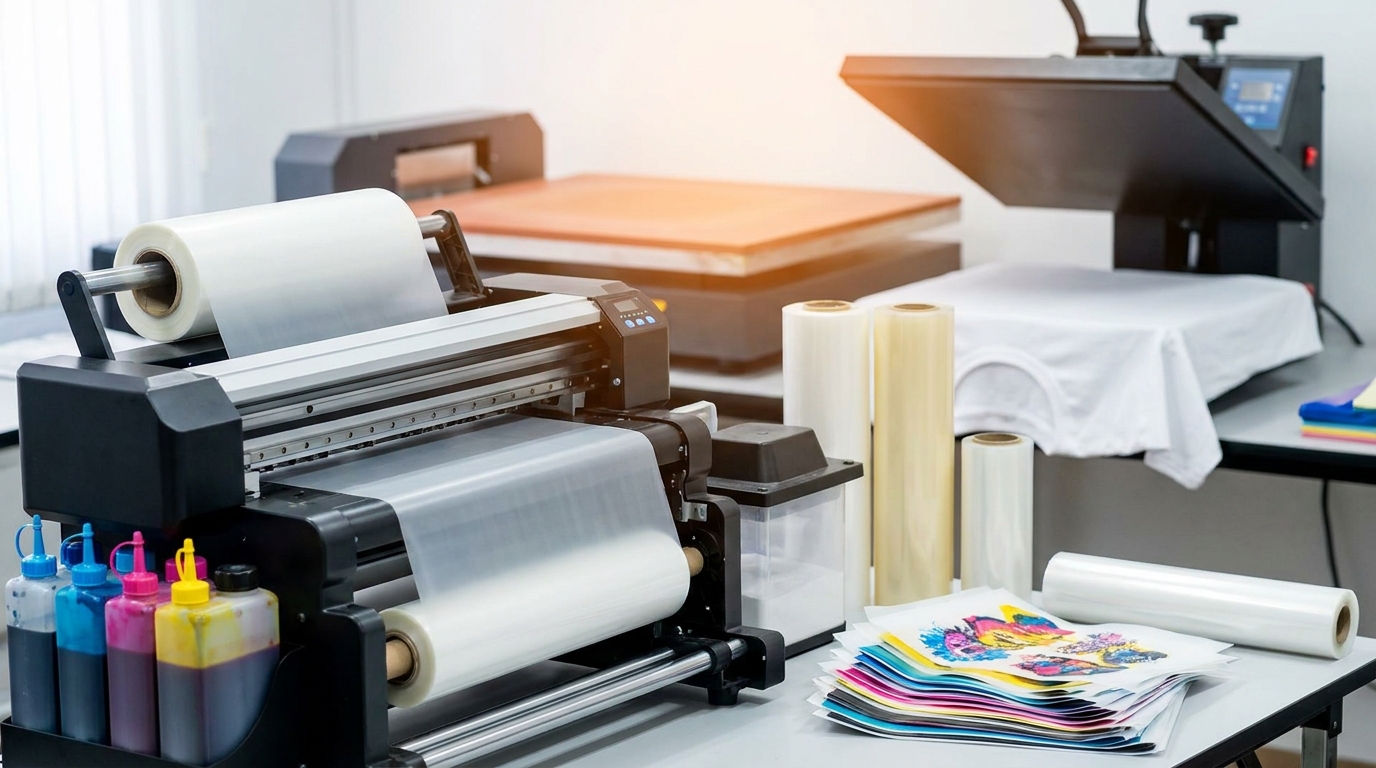
A: For a full in-house DTF setup, you would typically need a DTF printer, specialized DTF inks (CMYK + white), PET transfer film, hot-melt adhesive powder, RIP software, and a heat press machine. An automatic powder shaker and curing oven are often used for larger volumes.
Q: Is DTF printing environmentally friendly?
A: While DTF printing offers many advantages, its environmental footprint is a consideration. The process uses PET film, which is not biodegradable. However, the industry is seeing a shift towards the development of eco-solvent inks and recyclable film options, offering greener alternatives for more sustainable printing practices.
About DTF Center
At DTF Center, we are dedicated to providing high-quality, durable custom DTF transfers and UV DTF stickers that empower businesses and individuals to create exceptional apparel and promotional items. With a focus on reliability and customer satisfaction, we offer same-day shipping and local pickup options to ensure your projects stay on schedule. Our expertise in Direct-to-Film technology guarantees vibrant, long-lasting prints for all your customization needs. Visit dtfcenter.com to explore our services and elevate your printing capabilities.
Conclusion: Embracing the Future with DTF Printing
In conclusion, DTF printing stands out as a transformative technology in the custom printing landscape, offering an unparalleled blend of versatility, vibrant quality, and durability. From its straightforward, multi-step process to its ability to print on virtually any fabric type, DTF has effectively addressed many limitations of traditional methods. For newcomers to apparel and crafting, it provides an accessible entry point into high-quality customization, while for established businesses, it offers a powerful tool to expand product lines and streamline production.
The market trends clearly indicate a robust future for Direct-to-Film printing, driven by increasing consumer demand for personalized products and the ongoing evolution of e-commerce. As we've explored, its benefits—from superior color vibrancy and sharp detail to exceptional wash durability—make it a compelling choice for a vast array of applications, from custom t-shirts and sportswear to promotional merchandise. Embracing DTF printing means investing in a technology that delivers consistent, high-quality results, helping you meet the dynamic demands of today's customization market. Explore the possibilities and elevate your creations with DTF Center. [INTERNAL_LINK: DTF Transfers]