
(469) 436-6127

Are you looking to capitalize on the booming garment decoration market? Direct-to-film (DTF) printing offers a versatile and cost-effective solution for creating vibrant, durable prints on a wide range of fabrics. This comprehensive guide will walk you through every step of starting a successful dtf printing business, from initial planning to launching your first marketing campaign.
Table of Contents
DTF, or Direct-to-Film, printing is a method where designs are printed onto a special film and then transferred onto garments using heat and pressure. Unlike traditional methods like screen printing, DTF allows for full-color prints on a variety of fabrics, including cotton, polyester, and blends. It's known for its vibrant colors, excellent washability, and ability to print intricate designs with ease. This technology offers a lower barrier to entry compared to other garment printing methods, making it ideal for starting a dtf printing business.
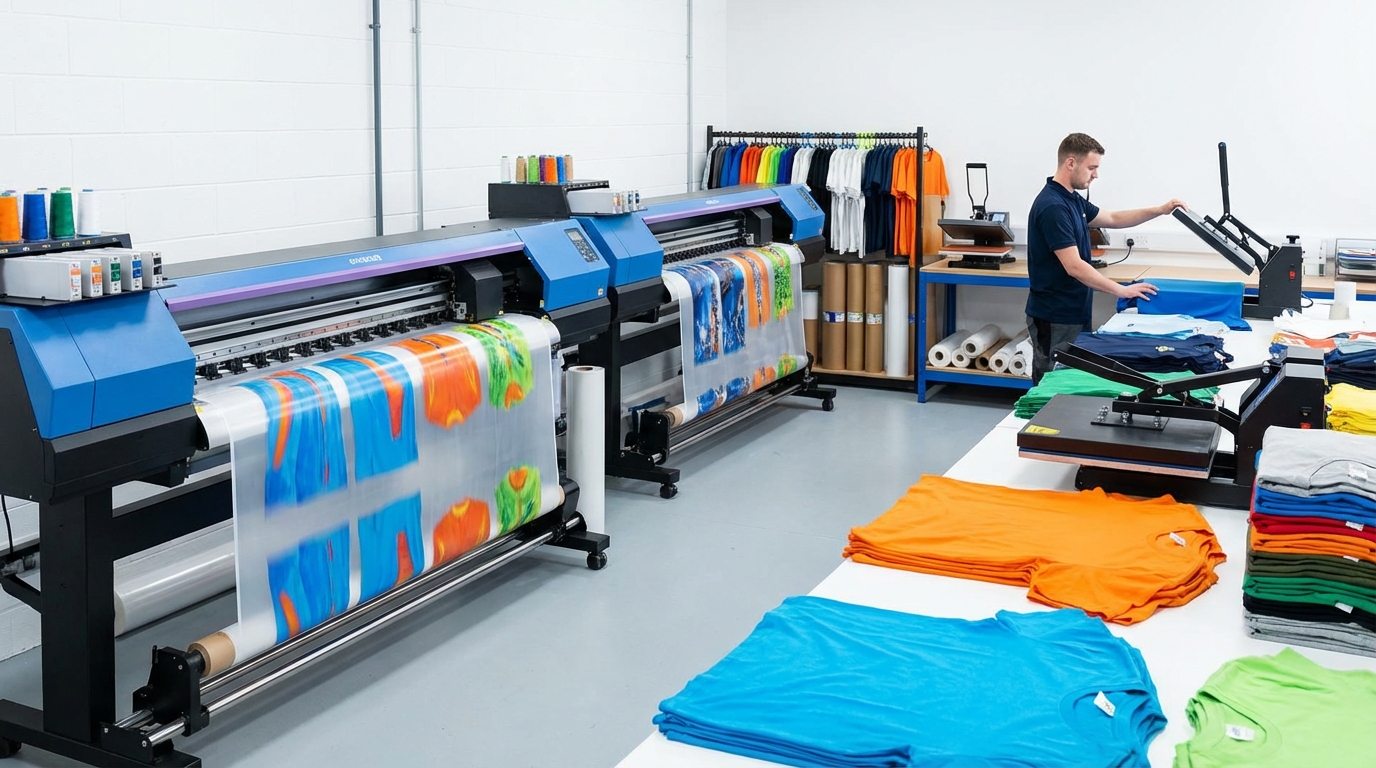
The key advantages of DTF printing include:
Before investing in equipment, conduct thorough market research. Identify your target audience, assess the competition, and determine the demand for DTF printing services in your area. Consider specializing in a specific niche, such as custom apparel for sports teams, promotional merchandise for businesses, or personalized gifts. According to a recent report by Grand View Research, the global digital textile printing market is expected to reach $4.8 billion by 2027, indicating substantial growth potential. [INTERNAL_LINK: market trends] Focusing on a niche allows you to tailor your marketing efforts and establish yourself as an expert.
A well-structured business plan is crucial for success. Your plan should outline your business goals, target market, financial projections, and marketing strategies. Include details about your startup costs, pricing model, and projected revenue. A comprehensive business plan will not only guide your operations but also be essential for securing funding from investors or lenders. Consider using business plan templates and seeking advice from experienced entrepreneurs.
Key components of a business plan:
Investing in the right equipment is critical for producing high-quality prints and ensuring efficient operations. Here's a list of essential equipment:
[IMAGE: A DTF printing setup with a printer, heat press, and curing oven.]
Software plays a vital role in the DTF printing process. RIP (Raster Image Processor) software is essential for managing color profiles, ink usage, and print quality. Popular RIP software options include CADlink Digital Factory, AcroRIP, and Wasatch SoftRIP. Additionally, you'll need graphic design software like Adobe Photoshop or Illustrator to create and edit your designs. The best software will provide accurate color reproduction and minimize ink waste.
The quality of your DTF supplies directly impacts the final product. Source your ink, film, and adhesive powder from reputable suppliers to ensure consistent results and durability. Consider factors like color vibrancy, washability, and adhesion when selecting your supplies. Building relationships with reliable suppliers will help you maintain a steady supply chain and avoid disruptions. [INTERNAL_LINK: supply chain management]
The DTF printing process involves several key steps:
Practice each step to optimize your technique and minimize errors. Understanding the nuances of the printing process will help you produce high-quality prints consistently.
Develop a pricing strategy that covers your costs and provides a reasonable profit margin. Consider factors like the complexity of the design, the quantity of items, and the type of fabric. Research your competitors' pricing to ensure you remain competitive. Common pricing models include cost-plus pricing, value-based pricing, and competitive pricing. Remember to factor in material costs, labor, and overhead expenses when setting your prices. Many dtf printing business owners underprice their services in the beginning, so make sure you understand your costs.
Effective marketing is essential for attracting customers and growing your business. Utilize a multi-channel approach that includes online and offline strategies. Create a professional website showcasing your services and portfolio. Use social media platforms like Instagram and Facebook to promote your work and engage with potential customers. Consider offering discounts or promotions to attract new clients. Networking with local businesses and organizations can also generate valuable leads. Search engine optimization (SEO) is crucial for driving organic traffic to your website. [INTERNAL_LINK: seo strategies]
Ensure your business complies with all applicable laws and regulations. Obtain the necessary licenses and permits to operate legally in your area. Consider registering your business name and trademarking your logo to protect your brand. Consult with a legal professional to ensure you are in compliance with all relevant regulations.
As your business grows, you'll need to scale your operations to meet increasing demand. This may involve investing in additional equipment, hiring employees, and expanding your production facility. Streamline your processes and implement efficient workflows to maximize productivity. Consider automating tasks like order processing and inventory management to improve efficiency. Continuously evaluate your business performance and identify areas for improvement.
Starting a dtf printing business comes with its share of challenges. Some common issues include:
Starting a dtf printing business requires careful planning, investment, and dedication. By following the steps outlined in this guide, you can increase your chances of success in this rapidly growing industry. Remember to conduct thorough market research, develop a solid business plan, invest in quality equipment, and implement effective marketing strategies. With the right approach, you can build a profitable and sustainable DTF printing business. Now that you have a roadmap, are you ready to launch your DTF journey? Get started today!
DTF printing offers several advantages over screen printing, including the ability to print full-color designs on a variety of fabrics, lower setup costs, and the ability to produce small quantities economically.
The cost to start a DTF printing business can vary depending on the equipment you choose and the scale of your operation. A basic setup with a desktop printer, heat press, and supplies can cost between $3,000 and $10,000. Larger-scale operations with high-volume equipment can cost significantly more.
DTF printing is compatible with a wide range of fabrics, including cotton, polyester, blends, nylon, and more. This versatility makes it a great choice for printing on various garments and textiles.

Same-day DTF transfers, gang sheets and UV DTF stickers printed in Dallas, Texas and shipped nationwide. No minimums, no setup fees, over 80,000 inches printed daily.
