(469) 436-6127

Are you trying to decide between DTF (Direct to Film) transfer and sublimation for your printing needs? Understanding the nuances of dtf transfer vs sublimation is crucial for achieving the best results for your specific projects. This comprehensive guide breaks down the key differences, pros, cons, and ideal applications of each method, empowering you to make the most informed decision. Whether you're printing custom apparel, promotional items, or personalized gifts, knowing which technology to use can save you time, money, and ensure superior quality.
Table of Contents:
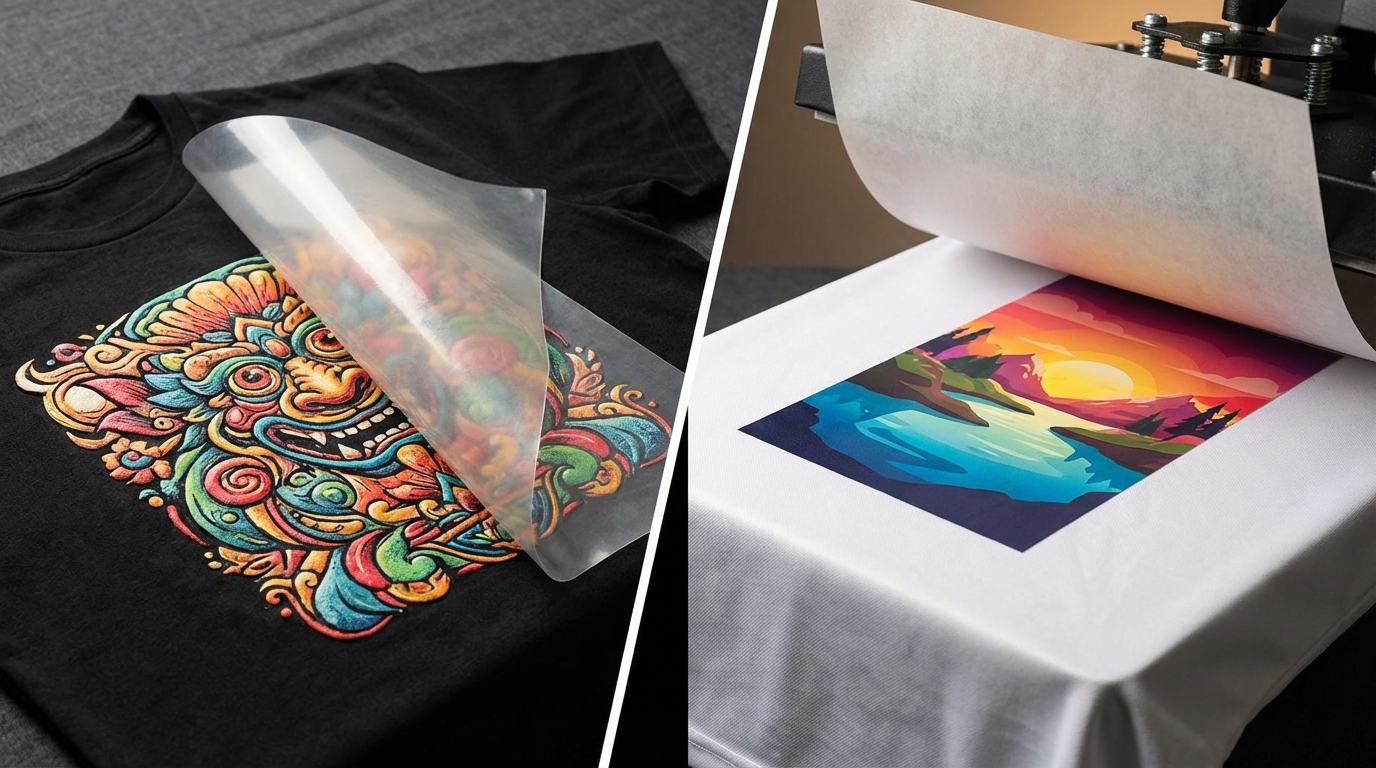
DTF transfer printing is a modern technique that involves printing designs onto a special film, applying adhesive powder, and then heat-pressing the design onto the fabric. This method is known for its versatility, allowing for vibrant and durable prints on a wide range of materials, including cotton, polyester, and blends. The process is relatively straightforward, making it a popular choice for both small-scale and large-scale production.
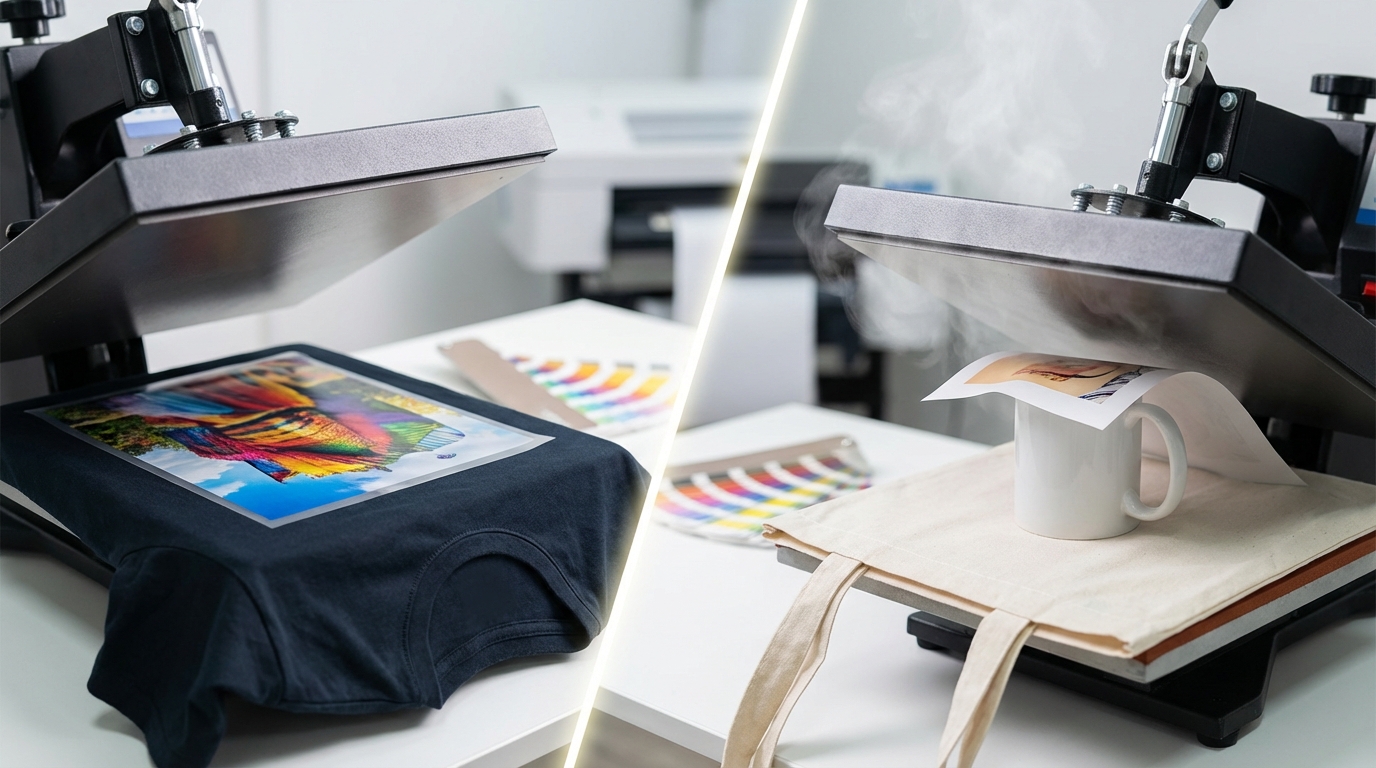
DTF transfers from DTF Center are known for their high-quality and durability. The process involves printing your design onto a special PET film. An adhesive powder is then applied to the ink, which is then heat-pressed onto the fabric. This creates a vibrant, long-lasting print that can withstand multiple washes.
Sublimation printing, on the other hand, is a process where a design is printed onto special sublimation paper using sublimation inks. The paper is then heat-pressed onto a polyester or polymer-coated substrate. Under high heat and pressure, the ink turns into a gas and bonds with the material at a molecular level. This results in a print that is incredibly durable and resistant to fading, cracking, or peeling. However, it's crucial to note that sublimation works best on light-colored polyester fabrics or items with a polymer coating.
When comparing dtf transfer vs sublimation, several key differences emerge, influencing which method is best suited for your specific needs:
| Feature | DTF Transfer | Sublimation |
|---|---|---|
| Material Compatibility | Cotton, Polyester, Blends, Nylon, Leather | Polyester, Polymer-Coated Items |
| Color Vibrancy | Excellent, especially on dark fabrics | Good, best on light-colored fabrics |
| Durability | Very Good, withstands multiple washes | Excellent, highly resistant to fading |
| Hand Feel | Slight texture | Soft, no texture |
| Cost | Higher initial investment, cost-effective for small runs | Lower initial investment, best for large runs on polyester |
| Ease of Use | Relatively easy, requires some learning | Straightforward, but limited material options |
Both DTF and sublimation offer excellent print quality, but they achieve it in different ways. DTF printing utilizes a white ink underbase, allowing for vibrant and opaque prints on both light and dark fabrics. The colors are typically bold and accurate, making it ideal for designs with intricate details and gradients. Sublimation, on the other hand, excels in creating smooth, photo-realistic prints with exceptional color gradients. The ink becomes part of the fabric, resulting in a print that won't crack, peel, or fade over time.
In terms of durability, sublimation generally holds up better to repeated washing and wear, especially on polyester fabrics. DTF prints are also durable, but they may experience some slight fading or cracking after many washes, particularly if not properly cared for. High-quality DTF transfers, like those from DTF Center, use premium inks and adhesives to maximize durability.
One of the most significant differences between dtf transfer vs sublimation lies in their material compatibility. DTF is incredibly versatile and can be used on a wide range of fabrics, including cotton, polyester, blends, nylon, and even leather. This makes it an excellent choice for printing custom apparel, bags, hats, and other items made from diverse materials. Sublimation, however, is limited to polyester fabrics or items with a polymer coating. This is because the sublimation ink needs to bond with the polymer molecules to create a permanent print. While this limitation may seem restrictive, sublimation is the go-to method for items like polyester sportswear, mugs, phone cases, and other polymer-coated products.
When evaluating cost-effectiveness, consider both the initial investment and the ongoing costs. DTF printing typically requires a higher initial investment due to the need for specialized equipment, such as a DTF printer, heat press, and adhesive powder applicator. However, it can be more cost-effective for small to medium-sized runs and printing on a variety of materials. Sublimation, on the other hand, has a lower initial investment, as it requires a sublimation printer, heat press, and sublimation paper. It is generally more cost-effective for larger runs on polyester fabrics or polymer-coated items. [INTERNAL_LINK: Products]
From a scalability perspective, both methods can be scaled up to meet increasing demand. DTF printing allows for greater flexibility in terms of material options, making it suitable for businesses that offer a wide range of products. Sublimation is ideal for businesses that specialize in polyester apparel or polymer-coated items and require high-volume production.
The ease of use and learning curve are important factors to consider, especially for beginners. Sublimation is generally considered easier to learn and implement, as the process is relatively straightforward. Simply print the design onto sublimation paper, position it on the fabric or item, and heat-press it. DTF printing, while not overly complicated, requires a bit more technical knowledge and practice. The process involves printing the design onto a film, applying adhesive powder, curing the powder, and then heat-pressing the design onto the fabric. However, with proper training and practice, DTF printing can become a seamless and efficient process.
DTF transfer printing excels in several key areas:
For example, DTF Center specializes in providing custom DTF transfers for businesses that need high-quality prints on a variety of apparel items. Their same-day shipping and local pickup options make them a convenient choice for businesses with tight deadlines.
Sublimation printing is the preferred method for:
Both DTF and sublimation have environmental considerations. DTF printing involves the use of adhesive powders, which can generate waste. However, advancements in DTF technology are leading to more eco-friendly adhesive options. Sublimation printing uses water-based inks, which are generally considered more environmentally friendly than solvent-based inks. However, the reliance on polyester fabrics, which are derived from petroleum, is a concern. Choosing eco-friendly materials and inks, as well as implementing proper waste management practices, can help minimize the environmental impact of both DTF and sublimation printing.
The printing industry is constantly evolving, and both DTF and sublimation are experiencing exciting advancements. Future trends include:
Choosing between dtf transfer vs sublimation depends heavily on your specific needs and priorities. If you require versatility in material compatibility and vibrant prints on both light and dark fabrics, DTF transfer is an excellent choice. If you're primarily working with polyester fabrics or polymer-coated items and need exceptional durability and photo-realistic prints, sublimation is the way to go. By understanding the key differences, pros, and cons of each method, you can make an informed decision that aligns with your business goals and ensures the best possible results. Consider your budget, production volume, and the types of products you intend to create when making your final decision.
Ready to get started with DTF transfers? Visit DTF Center today to explore their range of high-quality DTF transfers and services.
About DTF Center
DTF Center provides custom DTF transfers, UV DTF stickers, and related services with same-day shipping and local pickup options. They specialize in high-quality, durable prints for apparel and promotional items, focusing on fast turnaround times and customer satisfaction. Visit their website at DTFCenter.com to learn more.
