Are you considering incorporating DTF (direct-to-film) transfers into your business model, but unsure if it's the right move? This detailed case study examines how one small business leveraged **DTF transfer** technology to streamline operations, enhance product quality, and ultimately drive significant growth. We'll delve into their specific processes, challenges overcome, and the quantifiable results they achieved.
Direct-to-film (DTF) transfers have rapidly become a game-changer in the apparel and promotional product industries. This innovative printing method allows for vibrant, durable, and highly detailed designs to be transferred onto a wide range of fabrics and materials. The process involves printing designs onto a special film, applying adhesive powder, and then heat-pressing the design onto the target item. This case study explores how DTF transfers can revolutionize a small business's workflow and profitability. The flexibility of DTF printing opens doors to new possibilities for customization and personalization, which is highly valued by today's consumers. Businesses can offer custom designs, personalized apparel, and unique promotional items with ease and efficiency.
Pre-DTF Challenges: A Business at a Crossroads
Before adopting DTF technology, many small businesses face similar challenges. Let's examine the specific hurdles encountered by our case study subject before their transition to DTF.
Inventory Management Issues
Maintaining a diverse inventory of pre-printed items to meet varying customer demands often leads to significant storage costs and the risk of unsold stock. The need to predict popular designs and sizes accurately creates a constant balancing act, potentially tying up capital in slow-moving inventory. This makes it difficult to offer a wide array of designs without incurring substantial financial risk.
Limited Customization Options
Traditional printing methods often impose limitations on customization options, restricting the ability to offer personalized designs or cater to individual customer preferences. This can result in lost sales and a diminished competitive advantage in a market increasingly driven by personalization.
High Setup Costs for Small Orders
Many printing techniques, such as screen printing, involve substantial setup costs, making them impractical for small or one-off orders. This constraint limits the ability to cater to niche markets or offer sample products without incurring significant financial burdens. DTF printing offers a lower setup cost per print, making it much easier to offer custom prints to customers.
Time-Consuming Production Processes
Traditional printing methods can be time-consuming, requiring multiple steps and specialized equipment. This can lead to longer lead times, reduced production capacity, and increased labor costs. The inefficiency of these processes can hinder the ability to meet tight deadlines or respond quickly to urgent customer requests. This is especially true when dealing with multi-color designs or complex graphics.
The DTF Solution: Implementation and Integration
Recognizing these challenges, the business explored alternative printing solutions and ultimately chose to integrate **direct-to-film** transfers into their production process. Here's a breakdown of their implementation strategy:
Equipment Investment
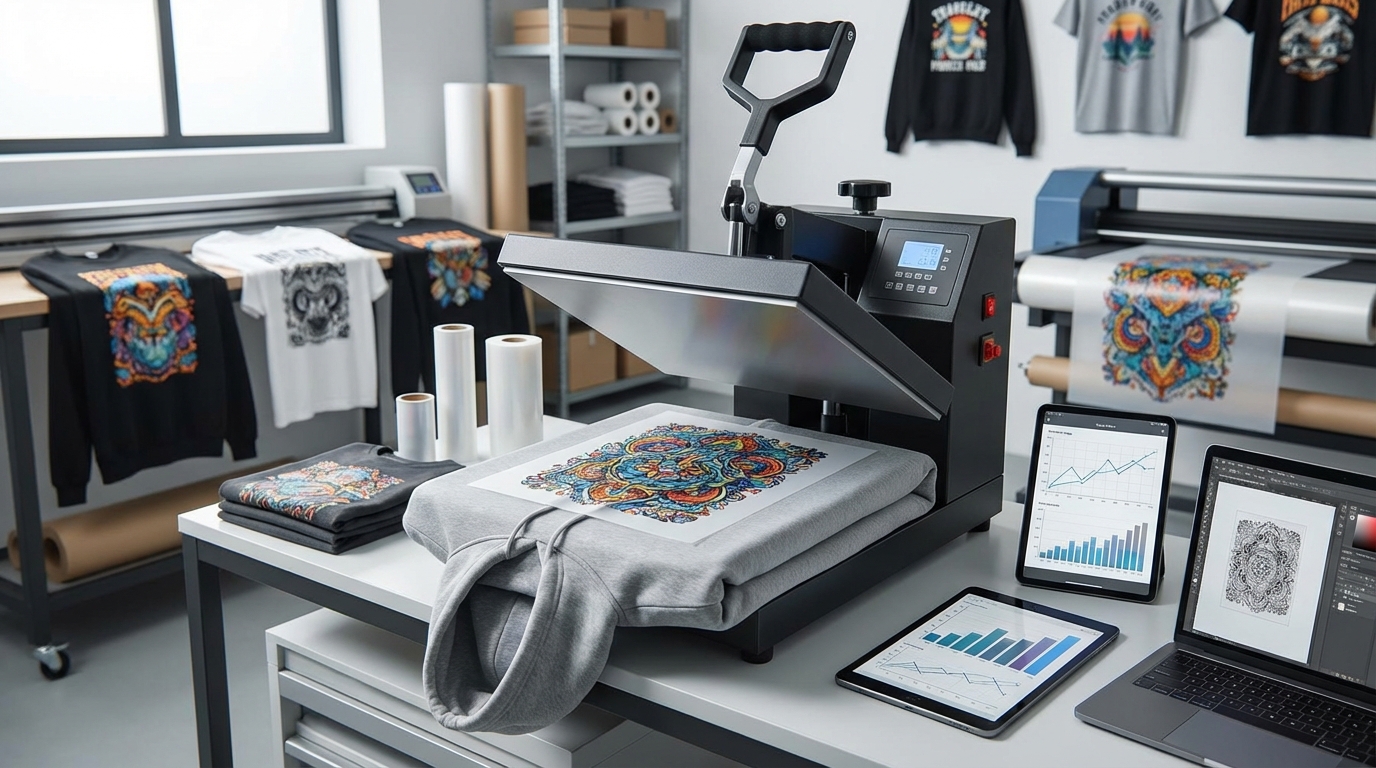
The initial investment included a DTF printer, heat press, and associated supplies such as DTF film, ink, and adhesive powder. The business carefully researched different printer models to select one that met their specific needs in terms of print quality, speed, and reliability. They also invested in a high-quality heat press to ensure consistent and durable transfers.
Workflow Optimization
The business streamlined its workflow by creating digital templates for common designs and establishing a clear process for order fulfillment. This involved optimizing the design preparation process, automating print settings, and implementing quality control checks at each stage of production. The goal was to minimize errors and ensure consistent quality across all orders.
Staff Training
Comprehensive training was provided to staff members on the operation and maintenance of the DTF equipment, as well as best practices for design preparation and transfer application. This included hands-on training sessions, online tutorials, and ongoing support from the equipment supplier. The business emphasized the importance of quality control and troubleshooting to ensure consistent results.
Marketing and Promotion
The business actively promoted its new DTF printing capabilities to existing and potential customers, highlighting the benefits of personalized designs and quick turnaround times. This involved updating the company website, creating marketing materials, and reaching out to customers through social media and email campaigns. The business also offered sample products and promotional discounts to encourage customers to try the new service.
Quantifiable Results: Measuring DTF Success
The implementation of DTF transfers yielded significant positive results for the business. Let's examine the key performance indicators (KPIs) that demonstrated the success of this transition.
Increased Sales: Sales of customized apparel and promotional products increased by 40% within the first year.
Reduced Inventory Costs: Inventory costs decreased by 25% due to the ability to print on demand.
Improved Turnaround Time: Order fulfillment time was reduced by 50%, leading to higher customer satisfaction.
Expanded Product Offering: The business was able to offer a wider range of designs and product options, attracting new customers.
Enhanced Profit Margins: Profit margins on customized products increased by 15% due to lower production costs and higher selling prices.
The business has been able to expand its product offerings by offering UV DTF stickers using the same process, but with UV curing instead of heat. [INTERNAL_LINK: UV DTF Stickers]
Key Lessons Learned: Insights for Your Business
Based on this case study, several key lessons can be gleaned for businesses considering adopting DTF transfers:
Thorough Research is Crucial: Invest time in researching different DTF printer models and suppliers to find the best fit for your needs.
Workflow Optimization is Key: Streamline your production process to maximize efficiency and minimize errors.
Staff Training is Essential: Provide comprehensive training to staff members on the operation and maintenance of DTF equipment.
Marketing and Promotion are Vital: Actively promote your new DTF printing capabilities to attract new customers.
Quality Control is Paramount: Implement rigorous quality control checks at each stage of production to ensure consistent results.
The Future of DTF: What's Next?
The future of DTF technology looks promising, with ongoing advancements in printer technology, ink formulations, and transfer materials. As DTF printing becomes more accessible and affordable, it is expected to become even more widely adopted by small businesses and entrepreneurs. Key trends to watch include:
* **Improved Print Quality:** Ongoing advancements in printer technology are leading to higher resolution prints, wider color gamuts, and improved color accuracy.
* **Faster Printing Speeds:** New printer models are being developed with faster printing speeds, allowing for increased production capacity.
* **More Sustainable Materials:** Manufacturers are developing more environmentally friendly DTF films and inks, reducing the environmental impact of DTF printing.
* **Integration with E-commerce Platforms:** Seamless integration with e-commerce platforms is making it easier for businesses to offer customized products and fulfill orders online.
Frequently Asked Questions
What is the lifespan of a DTF transfer?
DTF transfers are known for their durability. When properly applied and cared for, they can last for 50+ washes without significant fading or cracking. The lifespan depends on the quality of the materials used (film, ink, adhesive) and the washing conditions (water temperature, detergent).
What types of fabrics are suitable for DTF transfers?
DTF transfers work well on a wide range of fabrics, including cotton, polyester, blends, and even some synthetic materials. However, it's always recommended to test the transfer on a small sample of the fabric before applying it to the entire garment to ensure optimal adhesion and durability.
How does DTF compare to other printing methods like screen printing?
DTF offers several advantages over screen printing, including lower setup costs for small orders, the ability to print full-color designs with gradients and fine details, and greater flexibility in terms of fabric types. Screen printing, on the other hand, may be more cost-effective for large production runs of simple designs.
Can I use DTF transfers for heat-sensitive materials?
Yes, DTF transfers can be used for heat-sensitive materials by adjusting the heat press settings (temperature and pressure) and using a lower temperature transfer film. It's important to experiment with different settings to find the optimal combination for each material.
Where can I get high-quality DTF transfers?
Companies like DTF Center specialize in providing custom DTF transfers with same-day shipping and local pickup options. They offer high-quality, durable prints for apparel and promotional items. [INTERNAL_LINK: DTF Transfer Services]
About DTF Center
DTF Center provides custom DTF transfers, UV DTF stickers, and related services with same-day shipping and local pickup options. They specialize in high-quality, durable prints for apparel and promotional items. With a focus on customer satisfaction and fast turnaround times, DTF Center is a reliable partner for businesses looking to enhance their product offerings with custom designs. Learn more about their services at dtfcenter.com.
Conclusion: Is DTF Right for Your Business?
This case study demonstrates the transformative potential of **DTF transfer** technology for small businesses. By addressing key challenges related to inventory management, customization, and production efficiency, DTF transfers can unlock new opportunities for growth and profitability. If you're seeking a versatile and cost-effective printing solution, exploring **direct-to-film** transfers could be a game-changing decision for your business. Consider investing in quality **dtf printing** equipment and supplies to achieve the best results. Remember to check out DTF Center for your custom DTF transfer needs.
Related partner resource: Local brands in the Dallas area can also use DTF Dallas as a related sister resource for fast DTF transfer production.




Leave a comment