7 Best DTF Transfer Film Choices for Vibrant Prints
DTF Film Comparison: Find the Best for Your Business
Direct-to-film (DTF) printing has revolutionized the garment decoration industry, offering vibrant, durable, and versatile solutions. However, the quality of your DTF prints hinges significantly on the best DTF transfer film you choose. Selecting the right film can be daunting with so many options available. This comprehensive guide compares various DTF film brands and types, providing you with the knowledge to make an informed decision and elevate your DTF printing business.
Table of Contents
- What is DTF Transfer Film?
- Why the Quality of DTF Film Matters
- Factors to Consider When Choosing DTF Film
- Top DTF Transfer Film Brands and Types
- Tips for Applying DTF Film
- Troubleshooting Common DTF Film Issues
- Conclusion
- FAQ
What is DTF Transfer Film?
DTF transfer film is a specialized polyethylene terephthalate (PET) film designed to receive DTF inks. Unlike traditional heat transfer vinyl, DTF film acts as a carrier for the printed design, which is then transferred onto a variety of fabrics using heat and pressure. This process allows for intricate designs, full-color gradients, and detailed graphics to be easily applied to garments, bags, and other textiles. The film is coated to ensure optimal ink adhesion and release during the heat transfer process.
[IMAGE: Close-up of DTF film with vibrant colors and sharp details, showcasing the ink adhesion.]
Why the Quality of DTF Film Matters
The quality of your DTF film directly impacts the final print. Using subpar film can lead to several issues, including:
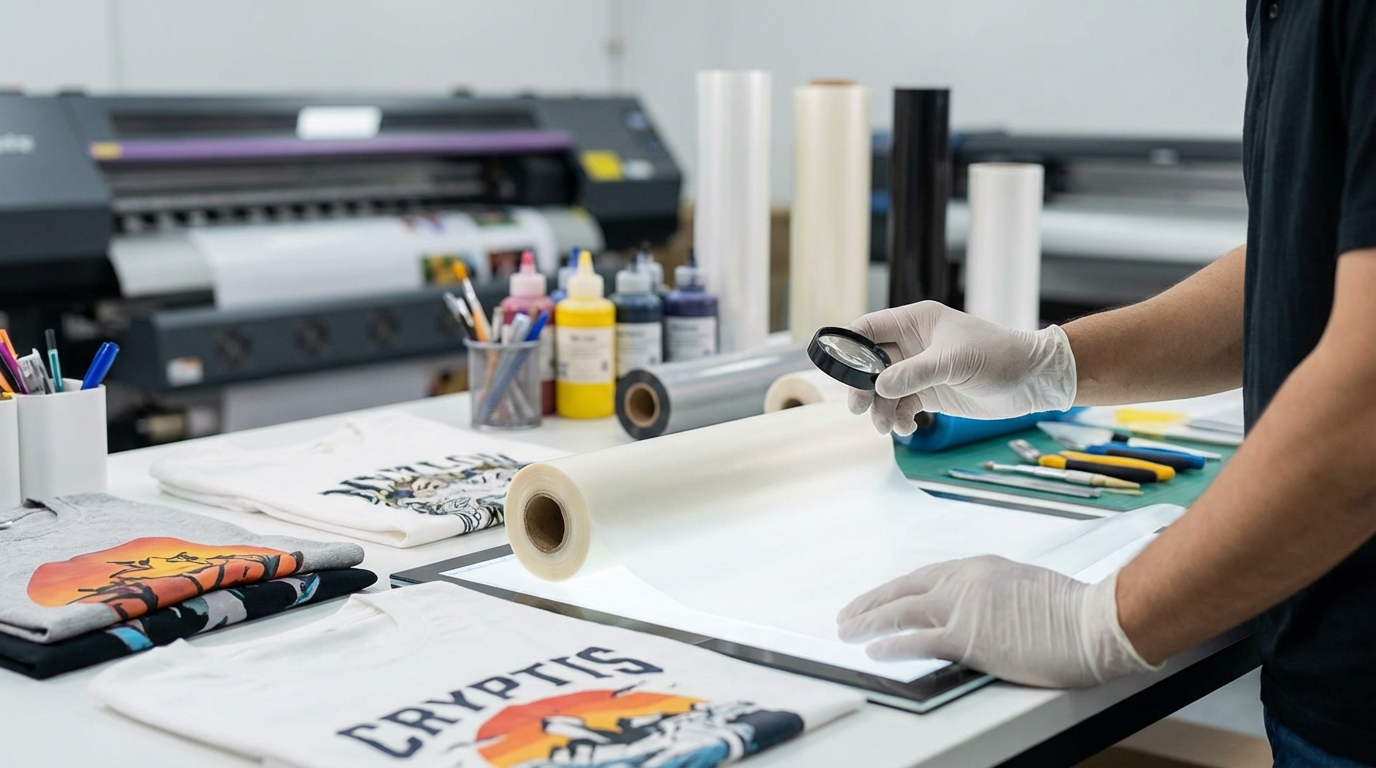
- Poor Ink Adhesion: The ink may not adhere properly to the film, resulting in blurred or faded prints.
- Inconsistent Transfer: Uneven transfer of the design onto the fabric.
- Film Distortion: The film may warp or shrink during the heat transfer process, causing image distortion.
- Durability Issues: Prints may crack, peel, or fade quickly after washing.
- Color Inaccuracy: The film can affect the vibrancy and accuracy of colors.
Investing in high-quality best DTF transfer film ensures consistent, durable, and vibrant prints that meet your customers' expectations and build a positive reputation for your business. According to a recent study, businesses using premium DTF supplies experienced a 20% increase in customer satisfaction.
Factors to Consider When Choosing DTF Film
Before selecting a DTF film, consider these crucial factors:
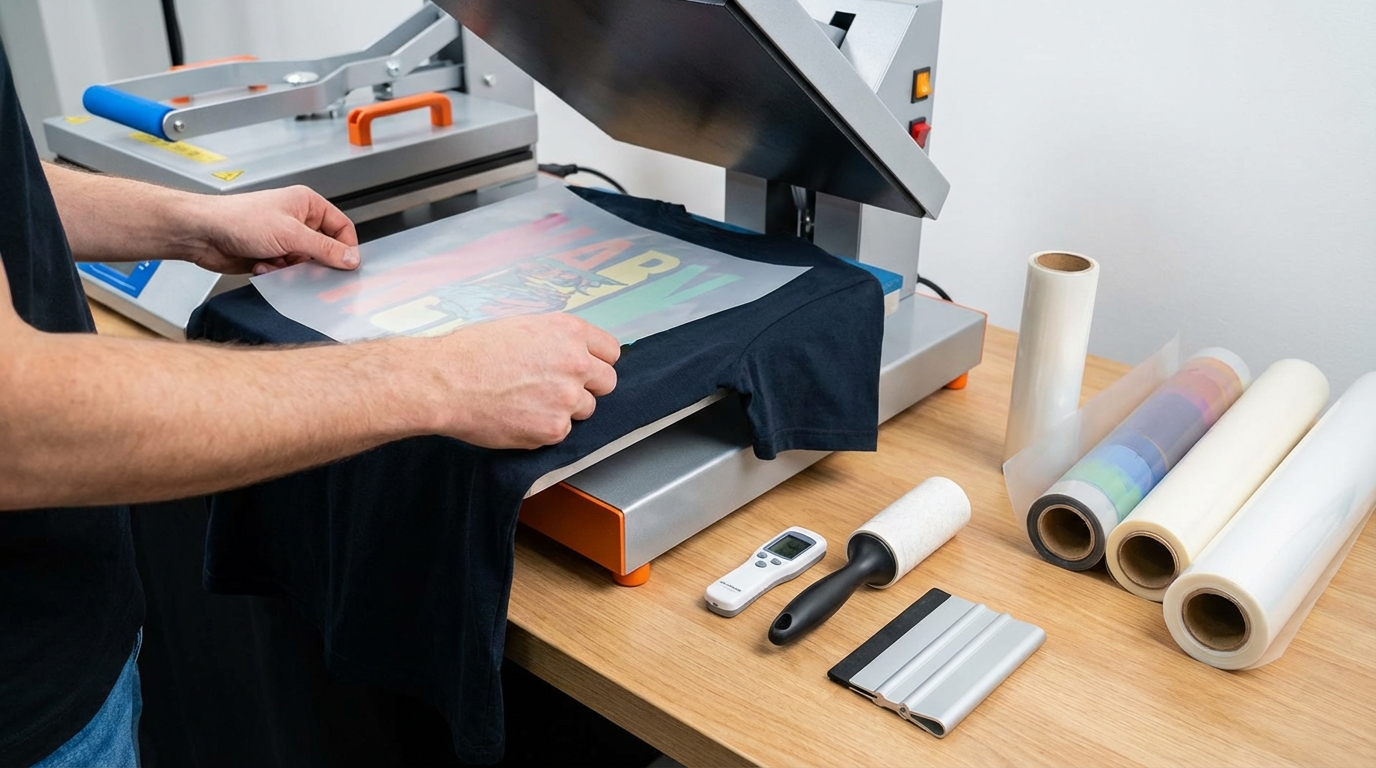
- Film Thickness: Thicker films generally offer better stability and are less prone to warping. However, they may require higher transfer temperatures.
- Coating Quality: The coating should provide excellent ink adhesion and release properties. Look for films with a matte or satin finish for optimal results.
- Cold Peel vs. Hot Peel: Cold peel films require the film to cool completely before peeling, while hot peel films can be peeled immediately after heat pressing. Consider your workflow and production speed when choosing between the two.
- Print Compatibility: Ensure the film is compatible with your DTF printer and inks. Check the manufacturer's specifications for recommended settings.
- Price: While price is a factor, prioritize quality over cost. Cheaper films may compromise the final print quality and lead to costly reprints.
[IMAGE: A comparison graphic showing different DTF film thicknesses and textures.]
Top DTF Transfer Film Brands and Types
Here's a comparison of some of the leading DTF film brands and types available on the market:
Premium Brands
- Film A: Known for its exceptional ink adhesion and vibrant color reproduction. Suitable for detailed designs and high-resolution prints. Typically a cold peel film.
- Film B: Offers excellent wash durability and resistance to cracking. Ideal for garments that require frequent washing. Hot peel option available.
- Film C: A versatile option suitable for a wide range of fabrics. Provides consistent results and easy application. Compatible with most DTF printers.
Budget-Friendly Options
- Film D: A cost-effective choice for beginners or businesses with smaller budgets. Offers decent print quality and durability.
- Film E: Provides good value for money. Suitable for basic designs and everyday use.
Specialty Films
- Glitter DTF Film: Adds a sparkling effect to your prints. Ideal for creating eye-catching designs.
- Glow-in-the-Dark DTF Film: Creates prints that glow in the dark. Perfect for novelty items and special events.
Example: A small business owner producing custom t-shirts tested Film A and Film D. While Film D was cheaper, the prints on Film A were significantly more vibrant and durable, leading to higher customer satisfaction and repeat orders. [INTERNAL_LINK: DTF printing process]
Tips for Applying DTF Film
Follow these tips for optimal DTF film application:
- Pre-Press the Fabric: Remove any wrinkles or moisture from the fabric before applying the transfer.
- Use the Correct Temperature and Pressure: Follow the manufacturer's recommendations for heat press settings.
- Apply Even Pressure: Ensure the heat press applies even pressure across the entire design.
- Peel Carefully: Whether you're using hot peel or cold peel film, peel the film slowly and carefully to avoid damaging the print.
- Post-Press: After peeling, post-press the design for a few seconds to improve durability and adhesion.
[IMAGE: Step-by-step guide showing the DTF film application process.]
Troubleshooting Common DTF Film Issues
Here are some common DTF film issues and how to troubleshoot them:
- Ink Bleeding: Reduce the ink density or adjust the printer settings.
- Poor Adhesion: Increase the heat press temperature or pressure.
- Film Warping: Use a thicker film or reduce the heat press temperature.
- Cracking Prints: Post-press the design or use a more flexible film.
Conclusion
Selecting the best DTF transfer film is essential for achieving high-quality, durable, and vibrant prints. By considering factors such as film thickness, coating quality, and print compatibility, you can make an informed decision that meets your specific needs and budget. Remember to prioritize quality over cost to ensure customer satisfaction and build a successful DTF printing business. Experiment with different brands and types of DTF film to find the perfect match for your printer, inks, and target fabrics. Ready to elevate your DTF printing? Explore our recommended DTF film options and start creating stunning prints today!
Frequently Asked Questions
What is the difference between hot peel and cold peel DTF film?
Hot peel film is peeled immediately after heat pressing while it's still hot. Cold peel film needs to cool down completely before peeling. Hot peel is faster, while cold peel may offer better detail in some cases.
How do I choose the right DTF film for my printer?
Check your printer's manual or contact the manufacturer for recommended film types. Ensure the film is compatible with your DTF inks.
Can I use DTF film on all types of fabric?
DTF film works well on a wide range of fabrics, including cotton, polyester, blends, and even some synthetic materials. However, always test on a small sample first to ensure optimal results.