
(469) 436-6127

Direct-to-film (DTF) transfers are a game-changer for apparel decoration, offering vibrant colors and excellent durability. However, even the highest-quality DTF transfers can degrade if not stored correctly. Are you looking to maximize the lifespan of your DTF transfers and avoid costly reprints? This comprehensive DTF transfer storage guide will provide you with the knowledge and practical tips you need to keep your transfers in pristine condition, ready for application whenever you need them.
At DTF Center, we understand the importance of preserving the quality of your transfers. This guide builds upon our expertise in providing high-quality custom DTF transfers, ensuring you get the most value from your investment. Proper storage not only extends the life of your transfers but also saves you time and money in the long run.
Table of Contents
Proper storage is paramount for maintaining the integrity of your DTF transfers. Improper storage can lead to a variety of problems, including cracking, peeling, fading, and even complete degradation of the transfer. These issues not only result in wasted materials but also impact the quality of your final product and customer satisfaction. Investing a little time and effort into proper DTF transfer storage will pay dividends in the long run.
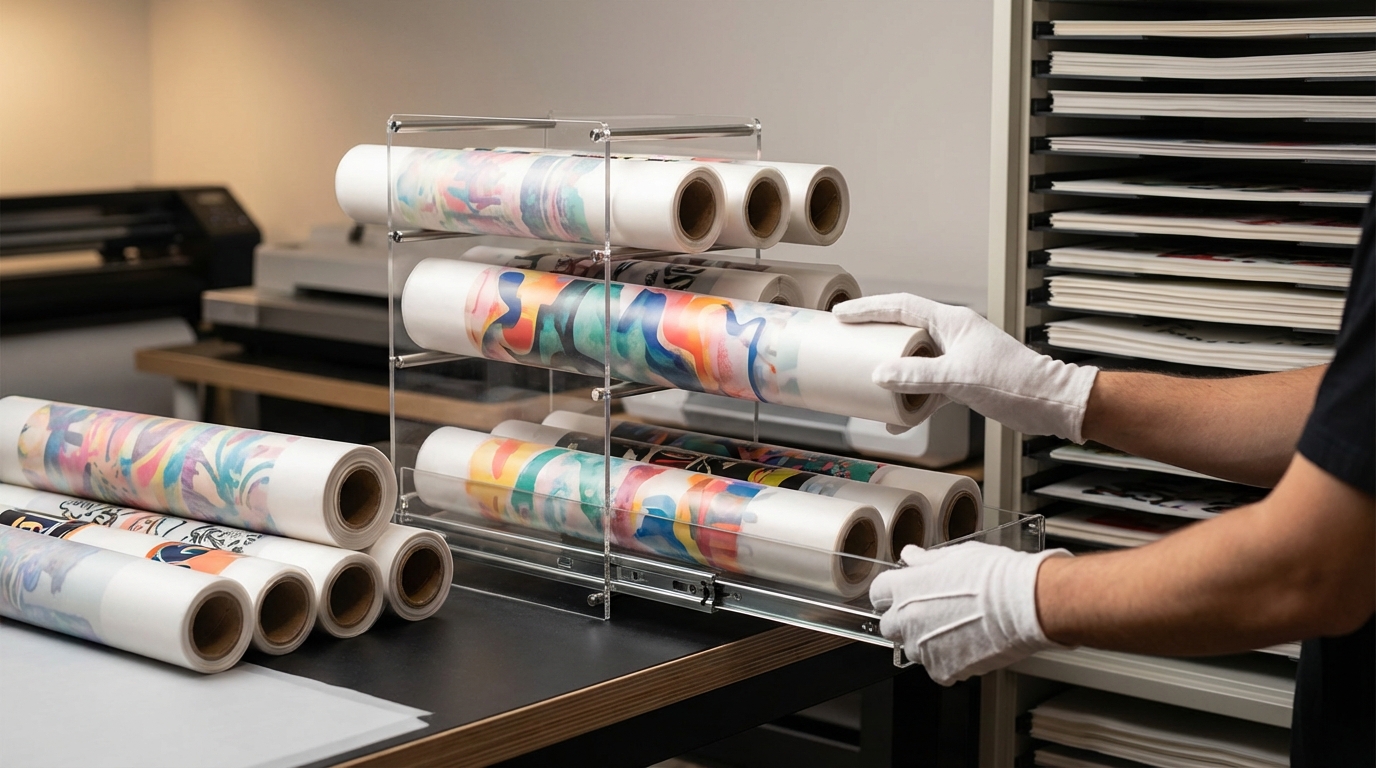
Several factors influence the lifespan of DTF transfers. Understanding these factors is crucial for implementing effective storage strategies. These include environmental conditions like temperature and humidity, as well as handling practices.
Extreme temperatures, both hot and cold, can negatively impact DTF transfers. High temperatures can soften the adhesive, causing the transfer to stick together or degrade. Cold temperatures can make the transfer brittle and prone to cracking. The ideal temperature range for DTF transfer storage is between 65°F and 75°F (18°C and 24°C).
Humidity is another critical factor to consider. High humidity levels can cause moisture to penetrate the transfer, damaging the ink and adhesive. Low humidity levels, on the other hand, can cause the transfer to dry out and become brittle. Aim for a relative humidity level between 40% and 60% for optimal DTF transfer storage.
Prolonged exposure to direct sunlight or UV rays can cause the colors in your DTF transfers to fade. Store your transfers in a dark or dimly lit area to protect them from light damage. Consider using UV-resistant storage containers for added protection.
Improper handling can also contribute to the degradation of DTF transfers. Avoid bending, folding, or stacking transfers in a way that puts pressure on the printed area. Handle transfers with clean, dry hands to prevent contamination. Consider using gloves to avoid transferring oils from your hands.
Follow these steps to ensure your DTF transfers are stored correctly and remain in excellent condition:
Maintaining the right environmental conditions is crucial for preserving the quality of your DTF transfers. Here’s a breakdown of the optimal conditions:
Consider using a dehumidifier or humidifier to maintain optimal humidity levels. A climate-controlled storage room is ideal for large-scale operations. For smaller operations, a closet or storage cabinet in a temperature-controlled room may suffice.
Avoiding these common mistakes can significantly extend the life of your DTF transfers:
Even with the best storage practices, issues can sometimes arise. Here are some common problems and how to address them:
If you encounter persistent issues, consider consulting with a DTF printing expert or contacting DTF Center for advice.
Here are some additional tips to maximize the lifespan of your DTF transfers:
By implementing these additional strategies, you can further extend the life of your DTF transfers and ensure they remain in top condition for years to come.
With proper storage, DTF transfers can last for up to 1-2 years. However, it's best to use them within a year to ensure optimal quality.
It depends on the garage. If your garage is climate-controlled and maintains stable temperature and humidity levels, it may be suitable. However, garages are often subject to temperature and humidity fluctuations, which can damage DTF transfers. It's generally best to store them in a more stable environment.
Store transfers in a cool, dry place with a relative humidity between 40% and 60%. Use resealable plastic bags or sleeves to protect them from moisture, and consider adding a desiccant pack to absorb any excess moisture.
DTF Center specializes in providing high-quality custom DTF transfers and UV DTF stickers. We offer same-day shipping and local pickup options, ensuring you get your transfers quickly and efficiently. Our durable prints are perfect for apparel and promotional items, helping you create stunning designs that last.
By following this DTF transfer storage guide, you can ensure that your transfers remain in excellent condition, ready for application whenever you need them. Proper storage is a simple yet effective way to protect your investment and maintain the quality of your final product. Contact DTF Center today to learn more about our services and how we can help you with your DTF printing needs.

Same-day DTF transfers, gang sheets and UV DTF stickers printed in Dallas, Texas and shipped nationwide. No minimums, no setup fees, over 80,000 inches printed daily.
