
(469) 436-6127

Are you struggling to determine the correct dtf transfer sizing guide for your next apparel project? Choosing the right size direct to film (DTF) transfer can be the difference between a stunning, professional-looking print and a disappointing result. This comprehensive guide will walk you through everything you need to know about DTF transfer sizes, from standard dimensions for different garments to custom sizing options and expert tips for achieving perfect prints every time.
Whether you're printing t-shirts, hoodies, or even promotional items, understanding DTF transfer sizing is essential for ensuring your designs look their best. Let's dive in!
Getting the dtf transfer sizing guide right is more than just aesthetics; it impacts the overall quality and durability of your printed garment. A transfer that's too large can overwhelm the design and look unprofessional, while one that's too small might get lost on the fabric. Proper sizing ensures the design is proportionate, visually appealing, and comfortable to wear.
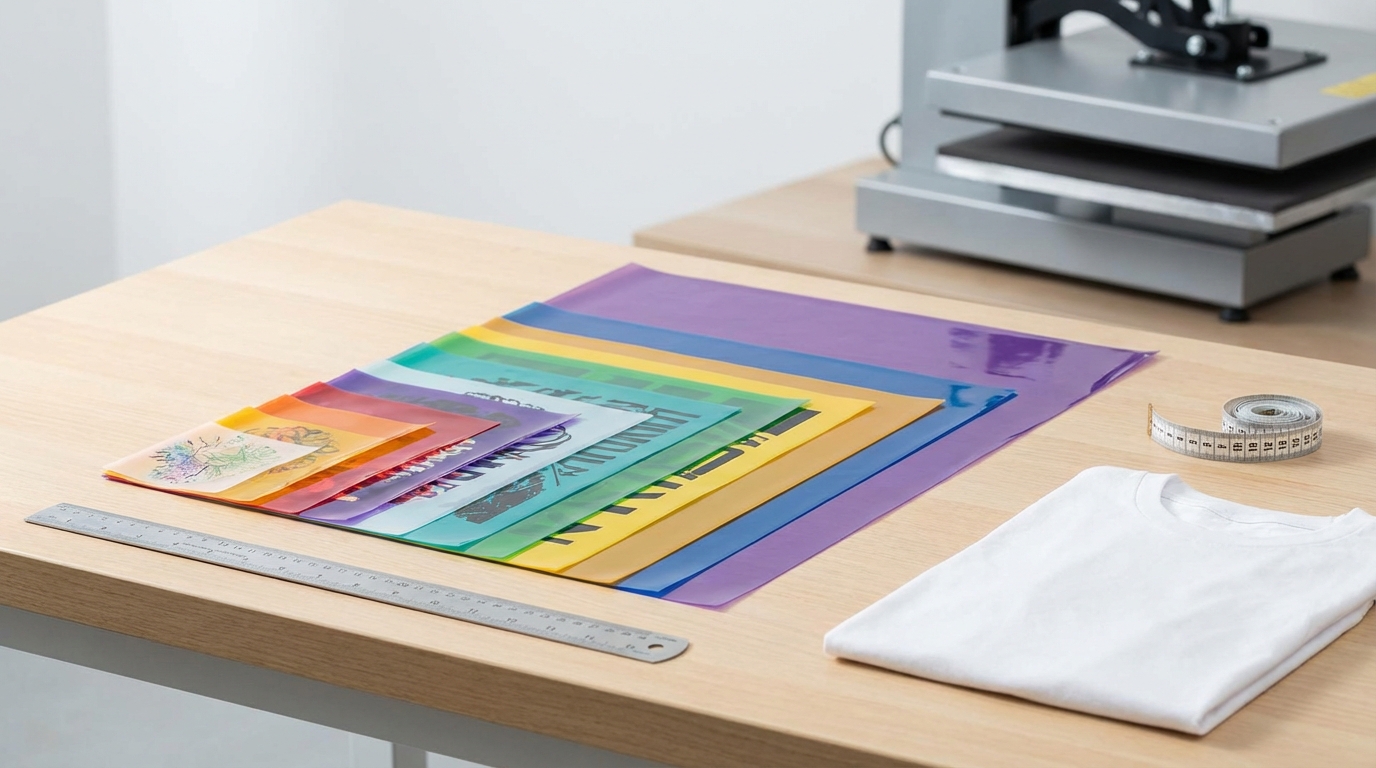
According to a study by the Apparel Resources Foundation, 75% of consumers associate the quality of a print directly with the perceived quality of the garment itself. This highlights the importance of paying attention to details like transfer sizing.
Understanding standard DTF transfer sizes is the foundation of successful garment printing. These sizes are based on common garment dimensions and design placements. Here's a breakdown of the most common sizes:
These are just general guidelines. The best size for your project will depend on the specific garment and design. Consider the overall look you're trying to achieve and the proportions of the garment itself.
For adult t-shirts, a standard front print typically ranges from 10-12 inches wide. However, for smaller t-shirts (e.g., women's fitted tees), you might want to reduce the size to 8-10 inches to avoid overwhelming the garment. For youth t-shirts, 6-8 inches is generally a good starting point.
Hoodies offer more space for larger prints. Full back prints can range from 12-14 inches wide, while front prints are typically 10-12 inches. Consider the hood placement when determining the optimal size for a back print to ensure it's visible and not obstructed.
For items like tote bags, hats, or promotional items, the sizing will vary greatly depending on the dimensions of the item. Always measure the available print area before ordering your DTF transfers.
Here's a quick reference chart to help you determine the appropriate DTF transfer size for various garments:
| Garment Type | Print Location | Recommended Size (Width) |
|---|---|---|
| Adult T-Shirt | Front | 10-12 inches |
| Adult T-Shirt | Back | 12-14 inches |
| Youth T-Shirt | Front | 6-8 inches |
| Hoodie | Front | 10-12 inches |
| Hoodie | Back | 12-14 inches |
| Chest | 3-4 inches | |
| Sleeve | Sleeve | 2-4 inches |
Remember, these are just guidelines. Always measure your garment and consider the design itself before finalizing your transfer size.
Accurate measurements are crucial for selecting the right DTF transfer size. Here's a step-by-step guide to measuring your garment:
Pro Tip: It's always a good idea to measure multiple garments, especially if you're working with different brands or styles, as sizing can vary.
While standard sizes work for many projects, custom DTF transfer sizing is essential when you have unique designs or specific placement requirements. Here are some scenarios where custom sizing is necessary:
When ordering custom DTF transfers, provide your supplier with accurate measurements and a clear visual representation of your design placement. [INTERNAL_LINK: Contact] DTF Center can help you determine the best sizing for your specific needs.
Several factors can influence the ideal DTF transfer size for your project:
Consider all these factors when determining your DTF transfer size to ensure you achieve the desired result.
Even with the right size, proper placement is crucial for a professional-looking print. Here are some tips and tricks:
Practice makes perfect! Don't be afraid to experiment with different placements to find what works best for your designs.
Selecting a reliable DTF transfer supplier is essential for ensuring the quality and consistency of your prints. Look for a supplier that offers:
DTF Center offers high-quality DTF transfers with same-day shipping and local pickup options, making them a great choice for your DTF printing needs.
Even with careful planning, you might encounter some sizing issues. Here's how to troubleshoot common problems:
If you're still having trouble, contact your DTF transfer supplier for assistance. [INTERNAL_LINK: FAQ]
The standard DTF transfer size for an adult t-shirt is typically 10-12 inches wide for a front print and 12-14 inches wide for a back print. However, this can vary depending on the size of the t-shirt and the design itself.
Lay the garment flat, smooth out any wrinkles, identify the print area, and use a flexible measuring tape to measure the width and height of the designated print area. Consider seam allowances when measuring.
Use custom DTF transfer sizing when you have unique designs, specific placement requirements, oversized prints, or are working with promotional items that have unique shapes and dimensions.
You can purchase high-quality DTF transfers from reputable suppliers like DTF Center, which offers custom sizing options, fast turnaround times, and excellent customer service.
Choosing the correct dtf transfer sizing guide is paramount for achieving professional and visually appealing prints. By understanding standard sizes, measuring your garments accurately, and considering the various factors that affect sizing, you can ensure your designs look their best on any garment. Remember to choose a reliable DTF transfer supplier like DTF Center to guarantee high-quality prints and excellent customer service.
DTF Center provides custom DTF transfers and related services with same-day shipping and local pickup options. They specialize in high-quality, durable prints for apparel and promotional items. With a focus on customer satisfaction and fast turnaround times, DTF Center is your go-to source for all your DTF printing needs. [INTERNAL_LINK: Products]
Related partner resource: For sizing help on East Coast orders, DTF Jersey is another sister resource focused on DTF transfer production.
