DTF Transfer Case Study: How to Boost Apparel Sales
Case Study: DTF Transfers Boost Apparel Sales
Are you looking to revolutionize your apparel business and skyrocket sales? Direct-to-film (DTF) transfers offer a cutting-edge solution for high-quality, durable, and vibrant prints on a variety of fabrics. This **dtf transfer case study** dives deep into how one business leveraged DTF technology to transform its operations and achieve remarkable growth.
The apparel industry is fiercely competitive, demanding both creativity and efficiency. Businesses are constantly seeking innovative methods to produce high-quality prints, reduce costs, and meet ever-changing customer demands. Traditional printing methods, such as screen printing, often face limitations in terms of complexity, setup time, and cost-effectiveness for smaller runs. This case study examines how a specific apparel business addressed these challenges by adopting direct-to-film (**dtf**) transfer technology. The study analyzes the impact of DTF on their production process, sales figures, and overall business growth, providing valuable insights for other apparel businesses considering this technology. We'll explore how the versatility of DTF printing can elevate your product offerings, improve turnaround times, and ultimately, increase your bottom line.
Background: The Business Before DTF
Before implementing DTF transfers, the business, a small to medium-sized enterprise (SME) specializing in custom apparel, relied primarily on screen printing and heat transfer vinyl (HTV). While these methods served their purpose, they presented several challenges:
Limited Design Complexity: Screen printing struggled with intricate designs and gradients, restricting creative possibilities.
High Setup Costs: Screen printing required significant setup time and costs, making it less economical for small orders.
Material Limitations: HTV was not suitable for all fabric types, limiting the range of apparel they could offer.
Time-Consuming Process: Both screen printing and HTV were relatively slow processes, impacting turnaround times and customer satisfaction.
Inventory Management: The need to stock various colors and sizes of vinyl and inks added to inventory management complexities.
These limitations hindered the business's ability to compete effectively and meet the growing demand for customized apparel. They needed a solution that offered greater flexibility, efficiency, and cost-effectiveness.
DTF Implementation: Strategy and Execution
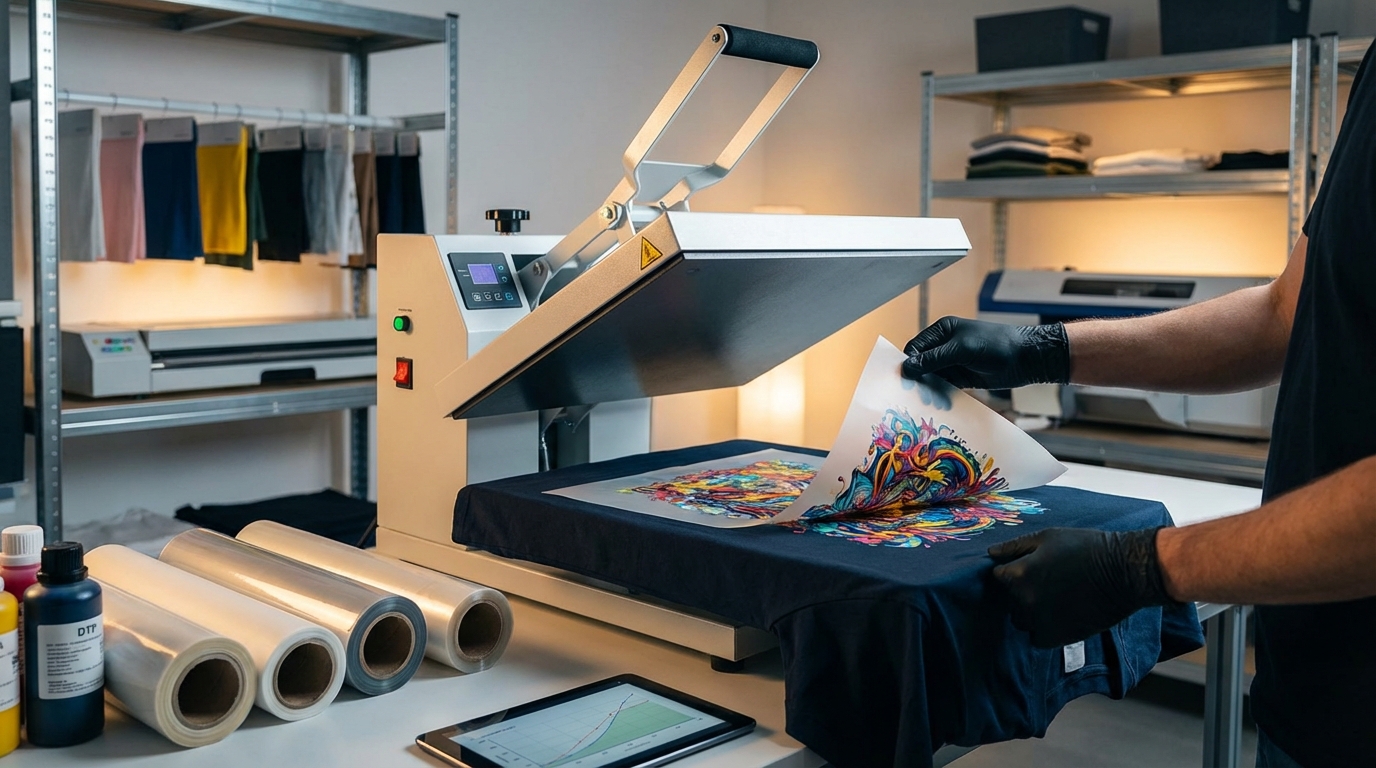
The business decided to invest in a DTF printing system, including a DTF printer, shaker, and heat press. The implementation strategy involved several key steps:
Equipment Acquisition: They researched and purchased a high-quality DTF printer known for its reliability and print resolution. Options like the ones from [INTERNAL_LINK: Products] at DTF Center were considered for their reputation and support.
Staff Training: Employees received comprehensive training on operating the DTF equipment, designing for DTF, and applying transfers correctly.
Workflow Integration: The DTF printing process was integrated into their existing workflow, streamlining order processing and production.
Marketing and Promotion: The business actively promoted their new DTF printing capabilities to existing and potential customers, highlighting the benefits of vibrant colors, intricate designs, and fast turnaround times.
Quality Control: Strict quality control measures were implemented to ensure consistent print quality and durability.
The business also explored various DTF transfer options, including custom DTF transfers from suppliers like DTF Center, to supplement their in-house production and handle peak demand. This hybrid approach provided flexibility and scalability.
Software and Design Considerations
The transition to DTF printing also involved adopting new design software compatible with the technology. The business invested in software that allowed for precise color management, intricate design creation, and efficient file preparation for printing. They also trained their design team to optimize artwork for DTF transfers, ensuring the best possible print quality and color accuracy. Using vector graphics and high-resolution images became standard practice.
Materials and Supplies Sourcing
Selecting the right DTF ink, film, and powder was crucial for achieving optimal results. The business carefully researched and tested various brands to identify the best combination for their specific needs. They prioritized suppliers that offered high-quality, durable materials and consistent performance. Establishing strong relationships with reliable suppliers ensured a steady supply of materials and competitive pricing. [INTERNAL_LINK: FAQ] may contain relevant information on sourcing materials.
Results and Metrics: Quantifiable Success
Implementing DTF transfers yielded significant positive results for the business:
Increased Sales: Overall apparel sales increased by 40% within the first year of DTF implementation.
Improved Profit Margins: Reduced production costs and increased efficiency led to a 25% improvement in profit margins.
Faster Turnaround Times: DTF printing significantly reduced turnaround times, enabling the business to fulfill orders faster and improve customer satisfaction.
Expanded Product Offerings: The ability to print on a wider range of fabrics and create more complex designs allowed the business to expand its product offerings and attract new customers.
Reduced Inventory Costs: DTF printing eliminated the need to stock large quantities of vinyl and inks, reducing inventory costs and simplifying inventory management.
These results demonstrate the transformative impact of DTF transfers on the business's performance. The ability to produce high-quality, customized apparel quickly and efficiently gave them a significant competitive advantage.
Customer Feedback and Satisfaction
Customer feedback played a vital role in validating the success of the DTF implementation. Surveys and reviews consistently highlighted customer satisfaction with the print quality, durability, and vibrancy of the DTF transfers. Customers also appreciated the faster turnaround times and the ability to create more personalized designs. Positive word-of-mouth referrals increased, further contributing to the business's growth.
Challenges and Solutions: Overcoming Obstacles
While the implementation of DTF transfers was largely successful, the business encountered some challenges along the way:
Initial Equipment Costs: The initial investment in DTF equipment was significant, requiring careful financial planning and budgeting. Solution: They secured financing and carefully analyzed the long-term return on investment.
Technical Issues: Occasional technical issues with the DTF printer required troubleshooting and maintenance. Solution: They invested in a service contract and trained employees to perform basic maintenance tasks.
Color Matching: Achieving accurate color matching with DTF transfers required careful calibration and color management. Solution: They utilized color management software and worked closely with their ink supplier to optimize color profiles.
Learning Curve: There was a learning curve associated with operating the DTF equipment and mastering the DTF printing process. Solution: They provided ongoing training and support to employees.
By proactively addressing these challenges, the business was able to minimize disruptions and maximize the benefits of DTF transfers.
Lessons Learned: Key Takeaways
This **dtf transfer case study** provides valuable lessons for apparel businesses considering DTF technology:
Invest in Quality Equipment: Choosing reliable and high-quality DTF equipment is crucial for achieving consistent results and minimizing downtime.
Provide Comprehensive Training: Thorough training for employees is essential for maximizing the efficiency and effectiveness of the DTF printing process.
Establish Strong Supplier Relationships: Partnering with reliable suppliers for DTF ink, film, and powder ensures a steady supply of high-quality materials.
Implement Strict Quality Control: Maintaining strict quality control measures is vital for ensuring customer satisfaction and building a strong reputation.
Market Your DTF Capabilities: Actively promoting your DTF printing capabilities to existing and potential customers can attract new business and drive sales.
Future Plans: Scaling with DTF
Based on the success of their DTF implementation, the business plans to further expand their DTF printing capabilities in the future. This includes investing in additional DTF printers to increase production capacity, exploring new applications for DTF transfers, and expanding their online presence to reach a wider audience. They also plan to offer DTF transfer services to other businesses, leveraging their expertise and experience in this field. They are considering offering same-day DTF transfers and local pickup options to cater to the demand for fast turnaround times. The versatility of DTF transfers opens up many opportunities for innovation and growth.
Conclusion: The Power of DTF Transfers
This **dtf transfer case study** clearly demonstrates the transformative power of DTF transfers for apparel businesses. By embracing this innovative technology, the business was able to overcome the limitations of traditional printing methods, increase sales, improve profit margins, and expand its product offerings. The success of this case study highlights the potential of DTF transfers to revolutionize the apparel industry and empower businesses to thrive in a competitive market. For businesses looking to enhance their printing capabilities and boost apparel sales, DTF transfers represent a viable and effective solution. DTF Center offers a wide range of services to help businesses get started with DTF, including custom transfers and equipment.
Frequently Asked Questions (FAQs)
What are the main benefits of using DTF transfers for apparel printing?
DTF transfers offer several advantages, including vibrant colors, intricate design capabilities, compatibility with various fabrics, fast turnaround times, and cost-effectiveness for small to medium-sized runs.
How durable are DTF transfers on apparel?
DTF transfers are known for their excellent durability. When applied correctly, they can withstand numerous washes without fading or cracking. High-quality inks and films contribute to the longevity of DTF prints.
What types of fabrics can DTF transfers be applied to?
DTF transfers are versatile and can be applied to a wide range of fabrics, including cotton, polyester, blends, and even some synthetic materials. This makes it a great option for diverse apparel applications.
How do I get started with DTF transfers?
To get started with DTF transfers, you will need a DTF printer, shaker, heat press, DTF ink, film, and powder. You can also outsource your printing to a company like DTF Center. They offer custom DTF transfers and consulting services to help you get started.
About DTF Center:
DTF Center provides high-quality custom DTF transfers, UV DTF stickers, and related services with same-day shipping and local pickup options. We specialize in durable prints for apparel and promotional items, focusing on customer satisfaction and fast turnaround times. Visit DTF Center today to learn more.