
(469) 436-6127

The custom apparel and direct-to-film (DTF) printing industry is experiencing a rapid transformation in early 2026, marked by significant market growth, groundbreaking technological advancements, and strategic industry consolidations. From new high-production DTF printers unveiled at major expos to the explosive rise of UV DTF for non-apparel applications, these developments are reshaping how businesses approach production, material choices, and ultimately, how they choose DTF transfer size for optimal results.
The global Direct-to-Film (DTF) printing market is poised for substantial expansion, with projections indicating a rise from approximately $782 million in 2023 to $2.1 billion by 2030, demonstrating a robust compound annual growth rate (CAGR) of 14.5%. This growth trajectory highlights DTF's increasing dominance, with expectations that it will outpace Direct-to-Garment (DTG) printing growth by 20% in 2026. The custom apparel segment continues to be a major driver, accounting for 65% of all DTF output.
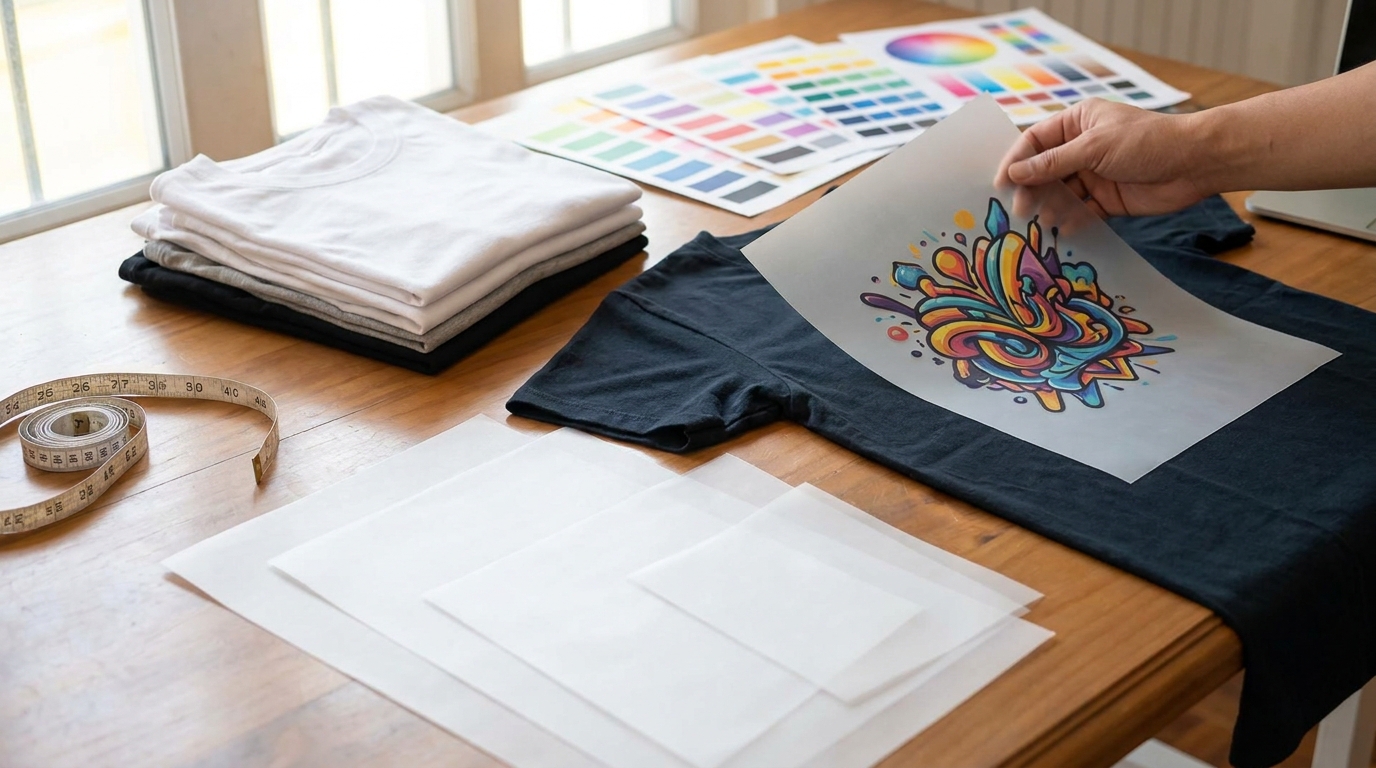
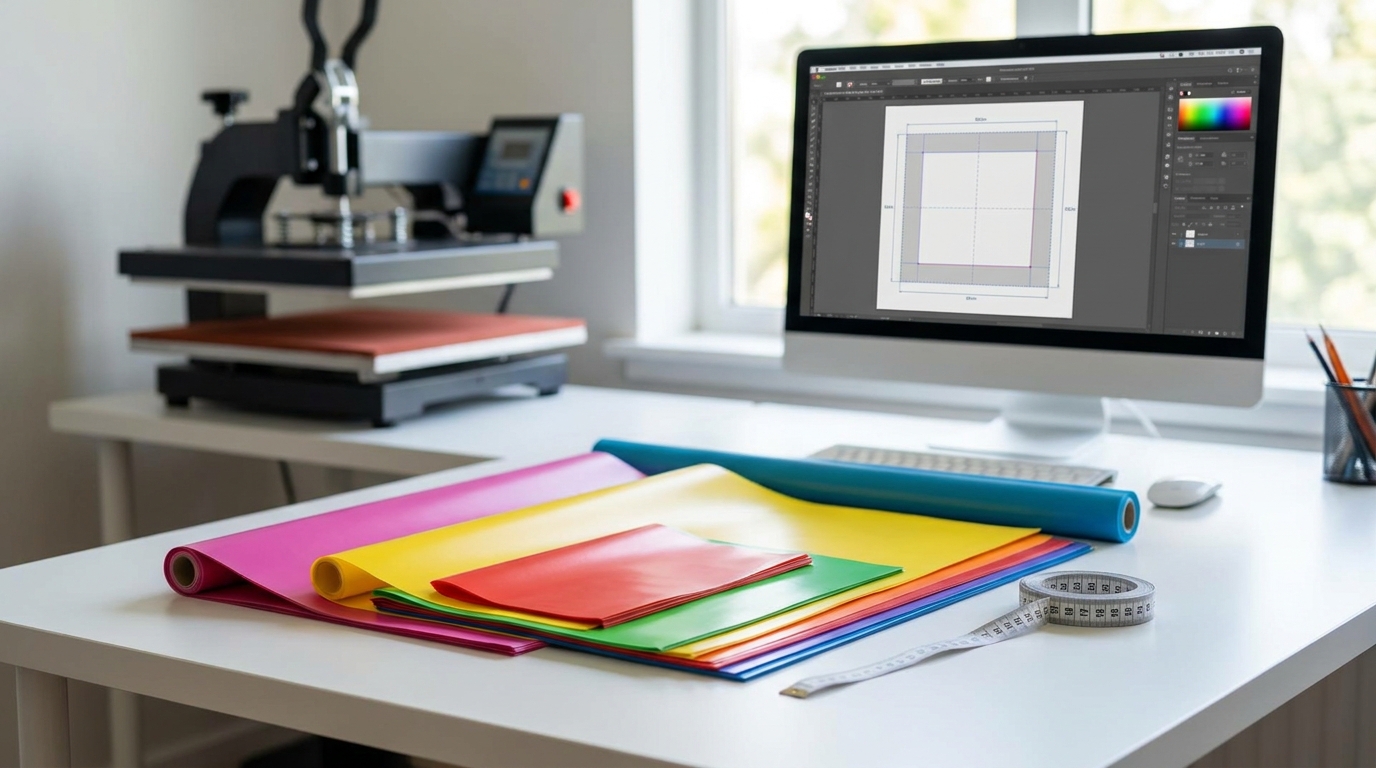
This market shift is driven by a strong consumer demand for personalized products and brands seeking flexible production methods. DTF technology offers a compelling solution, delivering quality and versatility without the extensive overhead of traditional printing techniques. Online platforms are particularly instrumental, driving 65% of custom apparel sales through widespread digital engagement and e-commerce adoption.
The Impressions Expo Long Beach, held from January 22-24, 2026, served as a crucial platform for unveiling the latest innovations in garment decoration, with a strong focus on DTF printing. DTF Station, for instance, showcased its comprehensive ecosystem, featuring everything from entry-level desktop printers like the Prestige A4 to mid-size (Aries 213 roll-to-roll) and large-format (Aries 124) solutions.
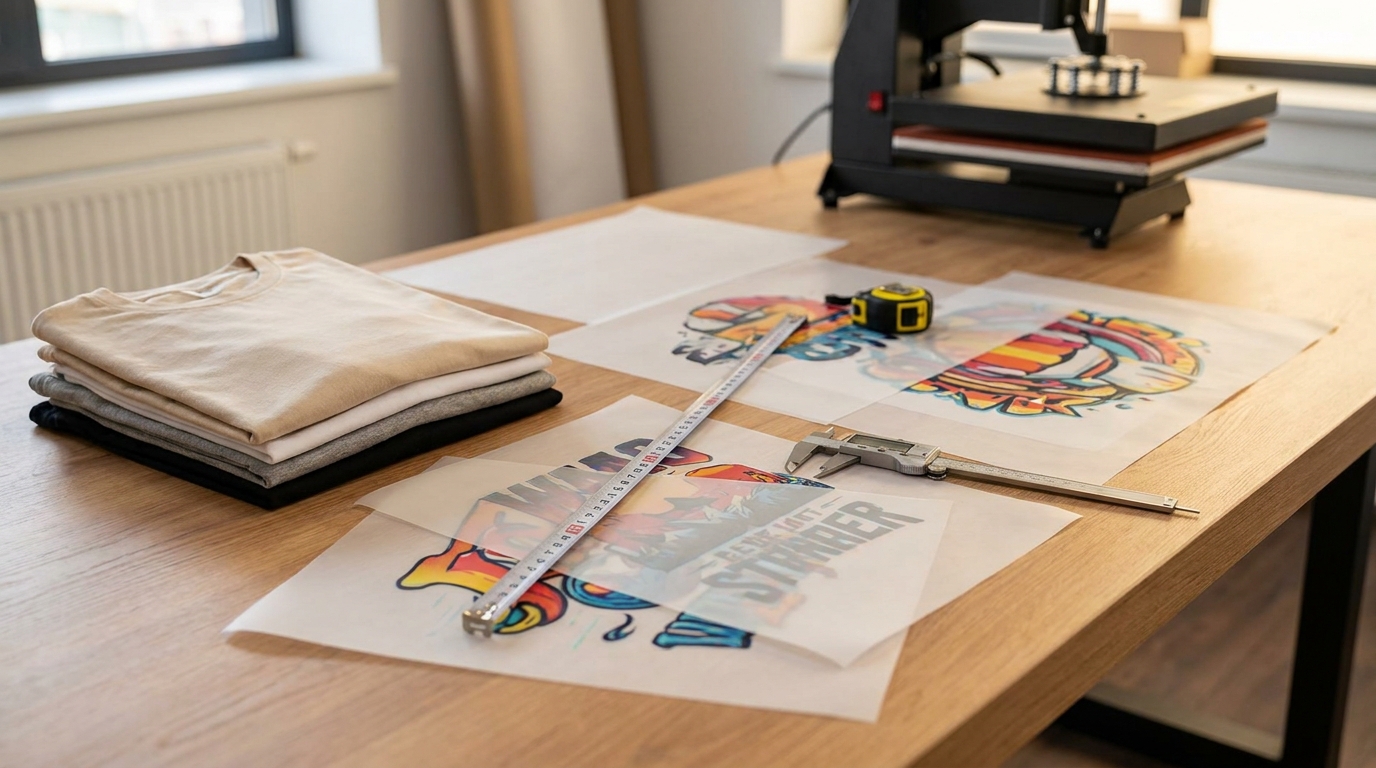
A notable introduction at the expo was the Audley 6-Head Premium DTF Printer, a 24-inch (60cm) machine equipped with six Epson i3200-A1 print heads. This system boasts high production speeds of up to 34 square meters per hour at 6-pass mode, emphasizing cost-effectiveness and efficiency for businesses looking to scale. Epson also made headlines on January 23, 2026, with the launch of its SureColor G9000, a high-production, roll-to-roll DTF printer designed for commercial garment decorators. The G9000 supports media widths up to 1626 mm (approximately 64 inches) and integrates automation for daily maintenance, aiming to boost productivity and reliability.
These advancements signify a trend towards more compact, yet powerful, DTF machines that are increasingly accessible to both home users and industrial operations. The focus on wider formats, such as the 1626mm supported by the Epson G9000, directly impacts the potential DTF transfer size options available to businesses, allowing for larger, more impactful designs.
One of the most groundbreaking developments in early 2026 is the explosive growth of UV DTF printing, transitioning from a niche curiosity to a multi-billion dollar commercial product category. This technology is bridging the gap between digital printing and industrial labeling, enabling the decoration of irregular, hard surfaces beyond traditional apparel.
UV DTF is proving highly profitable for small-batch manufacturing and personalization, making it viable for runs as small as a single unit. This versatility is driving adoption among Etsy sellers, local print-on-demand businesses, and promotional product resellers. The transfers are notable for their scratch-resistant, waterproof, and UV-stable properties, often featuring a tactile, raised effect that mimics 3D printing or high-end embossing, adding a premium feel to items like tumblers, laptop skins, and outdoor signage. This expansion means that when considering to choose DTF transfer size, businesses now have to account for a broader range of applications and substrates, beyond just fabric.
The year 2026 is seeing significant innovations in the chemistry of DTF, with new powders and inks designed for smoother, stronger, and more vibrant transfers. This includes finer powder consistency for crisp edges, coatings that bond faster to tricky fabrics, and ink sets that cure cleaner and deliver richer colors. DTF Station's Color Prime Chroma ink, for instance, is gaining attention for its expanded color gamut and punchier saturation.
Beyond consumables, software and automation are playing a critical role in optimizing DTF workflows. Solutions like Digital Factory 12 by Fiery are now optimized for DTF, DTG, and other textile workflows, boosting vibrancy and color accuracy while preserving natural skin tones. These software enhancements directly impact the quality and consistency of DTF transfers, ensuring that the chosen DTF transfer size maintains its visual integrity regardless of complexity or scale.
Custom apparel design trends for 2026 are heavily influencing the demand for specific DTF transfer sizes and applications. Key trends include:
These trends emphasize the need for flexibility in choosing DTF transfer size, from small, refined chest hits for elevated embroidery looks to expansive back prints that capture intricate detail. The focus on durable, high-quality finishes over cheap giveaways also underscores the importance of reliable DTF transfers that can withstand wear and washing.
In a significant industry move announced on April 13, 2026, Kornit Digital acquired Netherlands-based PrintFactory. This acquisition is set to strengthen Kornit's digital workflow, color management, and production automation capabilities, directly supporting the apparel industry's ongoing shift from analog to agile on-demand manufacturing.
The deal aims to address key barriers to digital adoption in apparel decoration, enhancing efficiency and sustainability by reducing waste. PrintFactory will continue to operate independently, serving its existing customer base across various printing environments. Alongside this acquisition, Kornit also launched Atlas MATRIX, a new unified digital production system designed for flexible manufacturing across multiple fabric types. This consolidation highlights the industry's drive towards integrated, streamlined solutions that can handle diverse production needs, influencing how businesses manage their DTF transfer size and order fulfillment.
The rapid pace of innovation and market shifts in early 2026 has profound implications for businesses looking to choose DTF transfer size effectively. Here are key takeaways:
A: Early 2026 has seen major innovations including the launch of high-production, wide-format DTF printers like Epson's SureColor G9000 and the Audley 6-Head DTF Printer, the widespread commercialization of UV DTF printing for hard surfaces, and advancements in DTF ink chemistry (e.g., DTF Station's Color Prime Chroma ink) and workflow software for enhanced color and efficiency.
A: UV DTF printing has created a multi-billion dollar category by enabling high-quality, durable personalization on a vast array of hard surfaces, including tumblers, phone cases, and promotional items, which were previously difficult or costly to decorate. It is highly profitable for small runs, allowing businesses to offer custom-branded hard goods without significant upfront investment in other technologies.
A: Key trends for 2026 include a demand for bold minimalism, retro revival designs, prominent statement typography, and particularly, extra-large back prints and photorealistic, high-detail graphics. These trends necessitate a flexible approach to DTF transfer size, accommodating everything from small, intricate logos to expansive, full-garment designs.
DTF Center is a leading provider of custom DTF transfers and UV DTF stickers, dedicated to delivering high-quality, durable prints for apparel and promotional items. With a focus on customer satisfaction, DTF Center offers same-day shipping and local pickup options, ensuring businesses can meet tight deadlines with reliable, professional-grade transfers. Explore our extensive range of DTF transfer sizes and custom solutions at DTF Center to elevate your printing projects.
The first quarter of 2026 has underscored DTF printing's dynamic evolution, establishing it not just as a viable alternative but as a dominant force in custom apparel and product decoration. The innovations in printer technology, the explosive growth of UV DTF, and advancements in chemistry and software are collectively empowering businesses with unprecedented flexibility, efficiency, and creative potential. For those looking to choose DTF transfer size, the market now offers solutions for virtually any application, from compact branding elements to expansive, detailed artwork. Staying abreast of these trends and leveraging the latest technologies will be paramount for businesses aiming to thrive in this rapidly expanding industry. The upcoming Printing United Expo 2026 in Las Vegas (September 23-25, 2026) promises to be another key event to watch for further innovations and industry insights.
