
(469) 436-6127

So, you've got a fresh new garment adorned with a vibrant DTF transfer. Congratulations! But the journey doesn't end there. Proper dtf transfer aftercare is essential to ensure your design remains crisp, colorful, and doesn't fade or peel after just a few washes. This comprehensive guide will walk you through the best washing and maintenance practices, helping you extend the life of your DTF transfers and keep your apparel looking its best. Learn how to properly care for your DTF transfers and extend the life of your apparel.
Table of Contents
Direct-to-film (DTF) transfer is a printing method that involves printing designs onto a special film and then transferring them onto various fabrics using heat and pressure. Unlike traditional methods like screen printing, DTF allows for more intricate designs, vibrant colors, and is suitable for a wide range of materials, including cotton, polyester, and blends. DTF transfers are known for their durability, but their longevity heavily relies on proper dtf transfer aftercare.
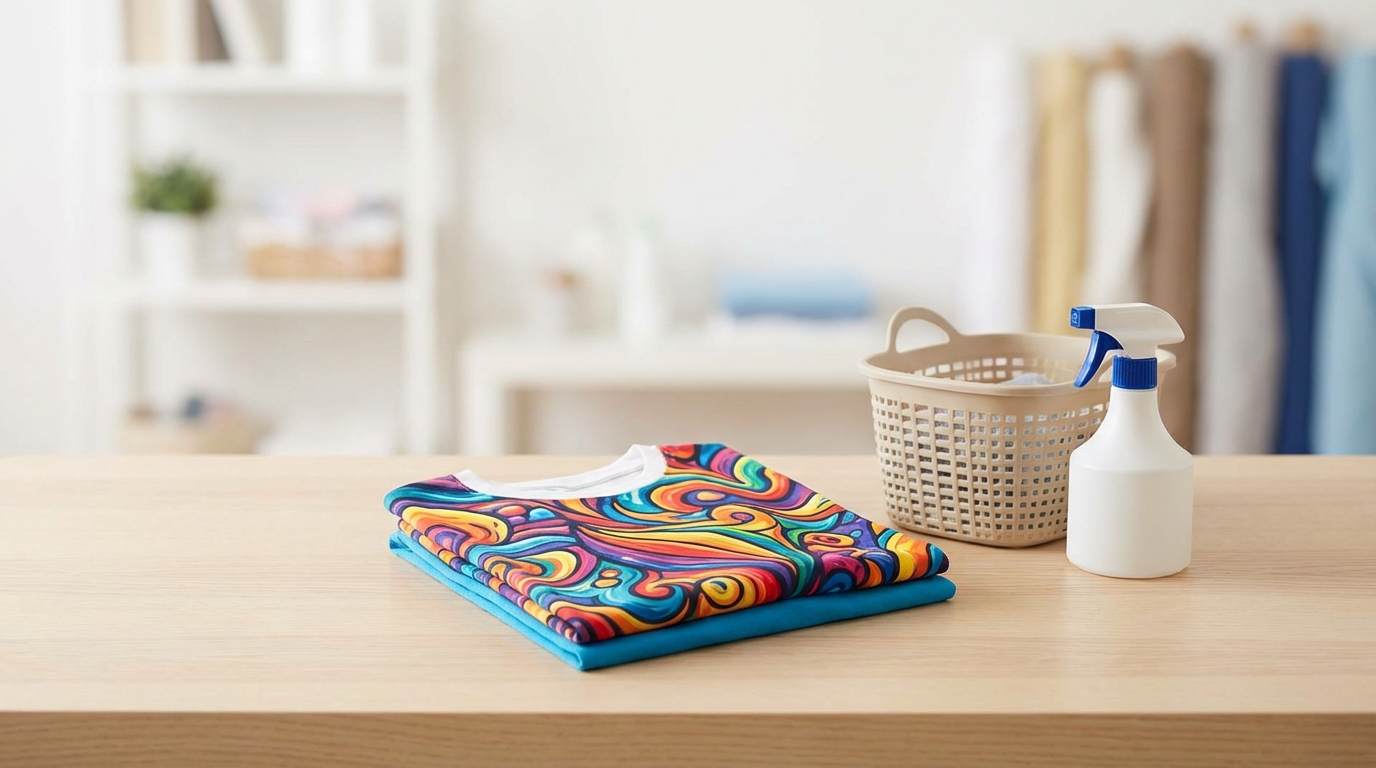
Before you toss your new DTF-printed garment into the washing machine, there are a few crucial steps to take to prepare it for its first wash. These steps help set the print and minimize the risk of damage during the initial cleaning.
Proper preparation minimizes the risk of ink bleeding, cracking, or peeling. The first wash is often the most critical, as the bond between the ink and the fabric is still relatively new. Taking these precautions can significantly extend the life of your DTF transfer.
Now that your garment is prepped, it's time to wash it. Follow these steps carefully to ensure your DTF transfer remains vibrant and intact.
Opt for a mild, color-safe detergent. Harsh chemicals and bleaching agents can damage the print and cause colors to fade. Avoid detergents with optical brighteners, as they can alter the colors of the transfer.
Always wash DTF transfers in cold water. Hot water can cause the ink to break down and the transfer to peel or crack. Cold water helps preserve the integrity of the print and prevents color bleeding.
Select a gentle or delicate wash cycle to minimize agitation and friction. This reduces the risk of the transfer rubbing against other items in the wash, which can lead to damage. Agitation can cause premature wear and tear on the transfer.
To further protect your DTF transfer, wash it separately or with other soft items of similar colors. Avoid washing with rough items like jeans or towels, as they can cause abrasion and damage to the print.
For added protection, place your DTF-printed garment inside a mesh laundry bag. This creates a barrier between the print and other items in the wash, further reducing the risk of friction and damage. This is especially useful for delicate fabrics or intricate designs. You can find high-quality DTF transfers at DTF Center.
The drying process is just as crucial as washing when it comes to dtf transfer aftercare. Improper drying can lead to shrinkage, fading, and damage to the print.
Air drying is the safest and most recommended method for drying DTF transfers. It eliminates the risk of excessive heat, which can cause the ink to crack or peel. While using a dryer is faster, the high heat can be detrimental to the longevity of the transfer.
If you must use a dryer, follow these precautions:
Ironing can help smooth out wrinkles, but it's important to do it correctly to avoid damaging the DTF transfer.
Only iron DTF transfers when necessary. Excessive ironing can lead to premature wear and tear. If your garment is wrinkled, consider steaming it instead, as steaming is gentler on the print.
Proper storage is essential for maintaining the quality of your DTF-printed garments. Follow these tips to keep your prints looking their best.
Both folding and hanging are acceptable storage methods, but there are a few things to keep in mind.
Store your DTF-printed garments in a cool, dry place away from direct sunlight and moisture. Consider using garment bags to protect them from dust and pests. Need new prints? See our custom DTF transfers by size.
To ensure the longevity of your DTF transfers, avoid these common mistakes:
With proper care, DTF transfers can last for 50+ washes. The key is to follow the washing and maintenance tips outlined in this guide.
No, avoid using bleach or detergents with bleaching agents, as they can damage the print and cause colors to fade. Always opt for a mild, color-safe detergent.
With proper dtf transfer aftercare, fading should be minimal. However, some fading may occur over many washes, especially if harsh detergents or high heat are used. To minimize fading, follow the washing and maintenance tips in this guide.
Always wash DTF transfers in cold water. Hot water can damage the ink and cause the transfer to peel or crack.
DTF Center provides high-quality custom DTF transfers, UV DTF stickers, and related services. With same-day shipping and local pickup options, DTF Center specializes in durable prints for apparel and promotional items. We focus on delivering exceptional quality and customer satisfaction.
By following this dtf transfer aftercare guide, you can significantly extend the life of your DTF transfers and keep your apparel looking vibrant for years to come. Remember to wash in cold water, use mild detergents, air dry whenever possible, and avoid direct ironing on the print. With these simple steps, you'll be able to enjoy your DTF-printed garments for a long time!

Same-day DTF transfers, gang sheets and UV DTF stickers printed in Dallas, Texas and shipped nationwide. No minimums, no setup fees, over 80,000 inches printed daily.
